Why Are Flights So Expensive?
Spirit’s Collapse & The End of Cheap Airfare
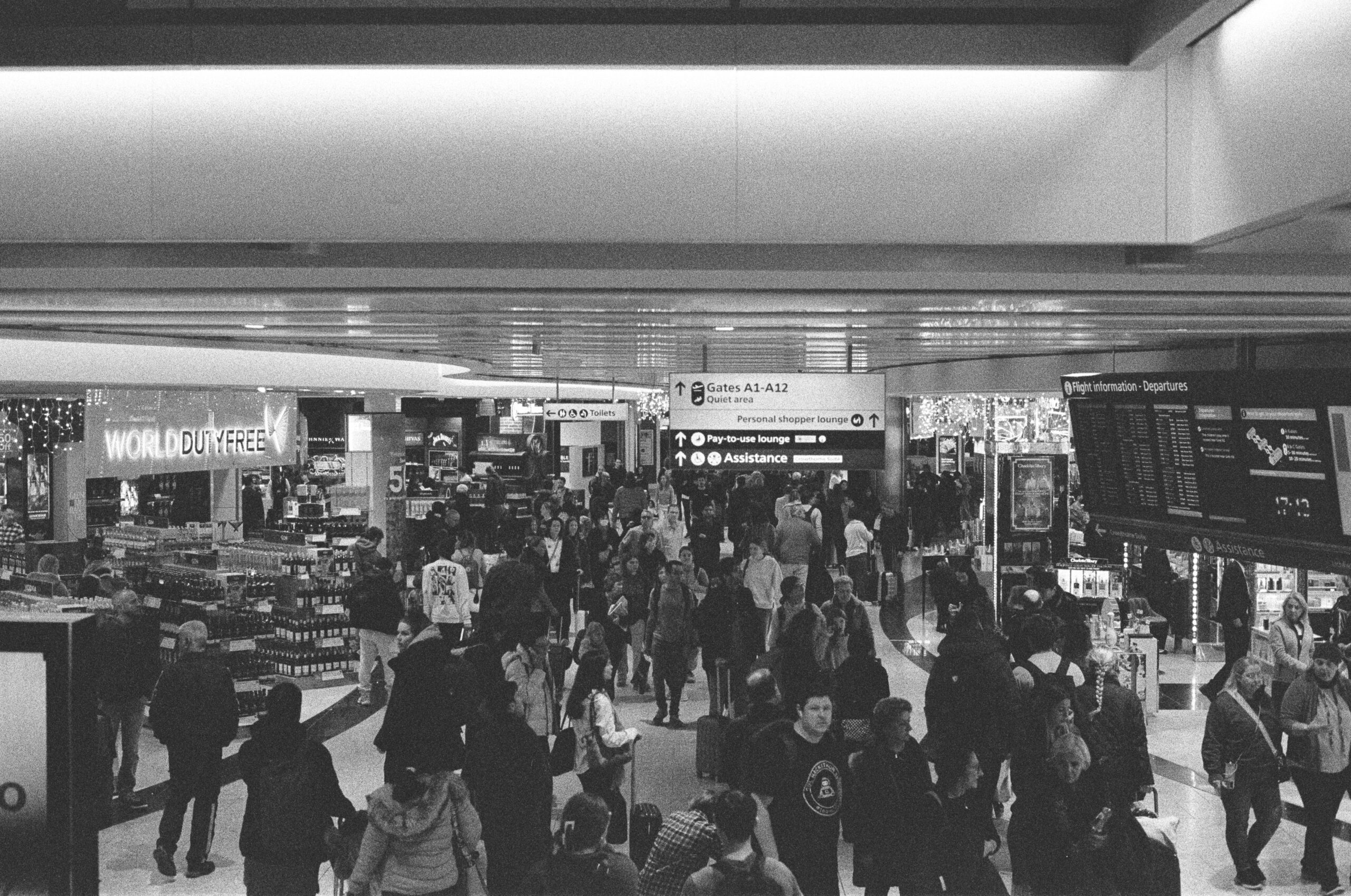
Spirit Airlines controlled less than two percent of the United States airline market. On paper, that sounds like a footnote. In practice, its collapse on May 2, 2026 triggered one of the most significant fare shocks in recent American aviation history. Monopoly routes exploded from eight to sixty-three almost overnight. Seventeen routes lost all nonstop service. One airport lost every airline. And on some routes, ticket prices more than doubled within weeks.
If you are asking why flights are so expensive in 2026, the Spirit Airlines bankruptcy is a major part of the answer. This is not a story about one airline failing. This is a story about what happens to airfare competition when the pricing anchor disappears — and why the structural problems that killed Spirit are far from solved.
The ULCC Model: How Spirit Airlines Changed Airfare
Before you can understand why Spirit’s collapse matters, you need to understand what Spirit actually was — because most of the coverage gets this wrong.
Spirit was an Ultra Low Cost Carrier, or ULCC. The ULCC model is built on one core principle: strip the ticket price down to almost nothing, then generate profit through high-margin ancillary fees. Bag fees. Seat selection. Priority boarding. Refreshments. Every component of the travel experience unbundled and sold separately.
The numbers behind this model are striking. In the final quarter of 2023, Spirit’s average base fare per passenger was $48.24. But the average fee revenue per passenger was $66.60. Spirit was making more money from charges than from the ticket itself. Roughly 59% of Spirit’s total revenue came from ancillary fees — not airfare. For context, legacy carriers like Delta and United typically see ancillary revenue at 15 to 20% of total revenue. Spirit’s model was structurally different at its core.
That model is not inherently unworkable. But it only functions under very specific conditions. Low labor costs. Cheap fuel. High aircraft utilization — Spirit’s A Three Twenty family fleet averaged over eleven flight hours per day, significantly above the eight to nine hours typical at legacy carriers. Cheap financing. Dense cabin configurations. Every one of those pillars has to hold simultaneously. By 2024, almost every single one of them collapsed at the same time.
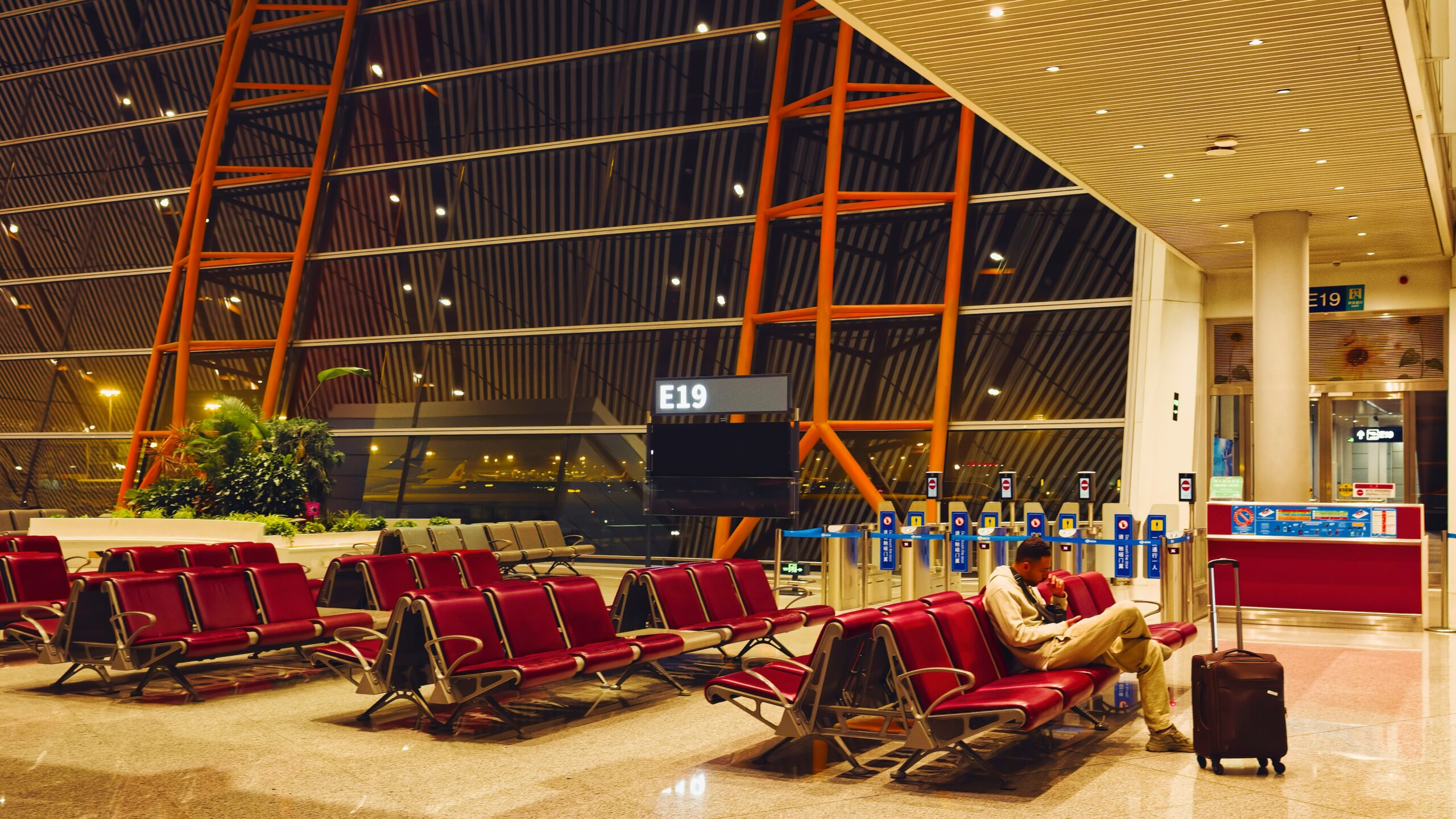
Empty gates tell the story. When Spirit ceased operations on May 2, 2026, seventeen routes lost all nonstop service and one airport lost every airline entirely. Photo: Eric Prouzet / Unsplash
Why Spirit Airlines Failed: The Five Internal Economic Crises
1. Labor Cost Explosion
The post-pandemic aviation labor market reset the cost base of the entire industry. Pilot shortages drove compensation sharply higher across all carriers. Spirit, operating on razor-thin margins, had no buffer. To prevent losing crew to larger carriers with deeper pockets, Spirit was forced to raise pilot pay by nearly 34 to 40 percent. For a legacy carrier, that is painful. For a ULCC whose entire competitive advantage rests on keeping unit costs below everyone else, it is potentially fatal.
Spirit’s own filings confirm the scale of the adjustment. In 2025, salaries, wages, and benefits fell $247.9 million — a 14.7% reduction — but only because Spirit had already cut pilot and flight attendant headcount by 17.4%. The cost problem was not solved. It was partially masked by a shrinking workforce that further reduced the airline’s ability to operate.
2. The Pratt and Whitney GTF Engine Crisis
This is the factor that most mainstream coverage either minimizes or misses entirely — and it may have been the single most operationally damaging event in Spirit’s final years.
Spirit had invested heavily in the A Three Twenty Neo family — newer, more fuel-efficient aircraft powered by Pratt and Whitney PW Eleven Hundred G Geared Turbofan engines. In 2023 and 2024, a manufacturing defect in the GTF engine family triggered a global inspection and grounding program. At the peak of the crisis, nearly 20% of Spirit’s fleet was grounded for inspections or awaiting engine replacements.
Here is the operational reality that the business press largely ignored: those grounded aircraft were not generating revenue. But Spirit was still making full lease and debt payments on every single one of them. You are paying for an asset that cannot fly. For a carrier with $1.465 billion in fixed-rate debt tied to 38 Airbus aircraft and lease obligations across a fleet of over 200 aircraft at its peak, that is not a headwind. That is a structural hemorrhage.
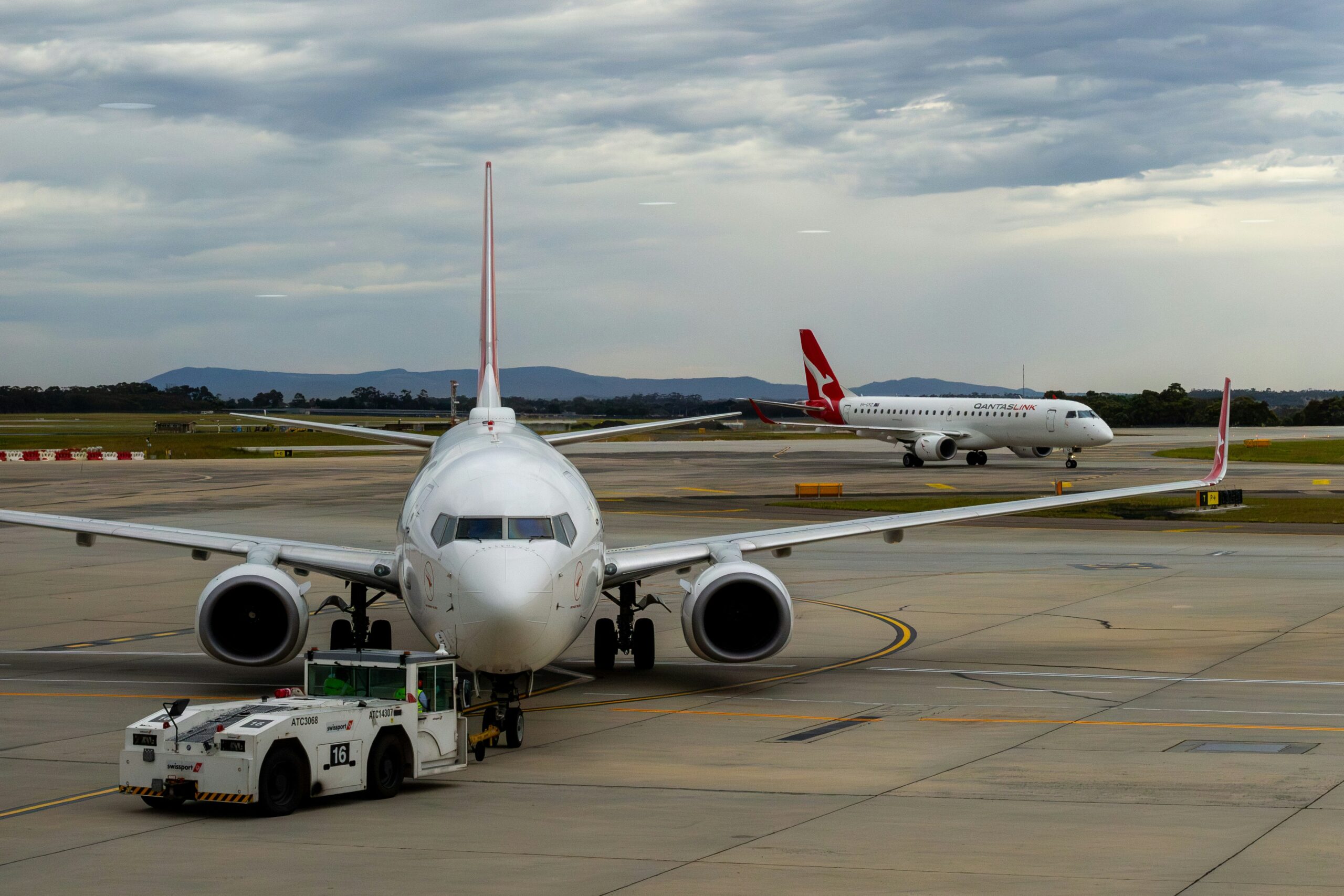
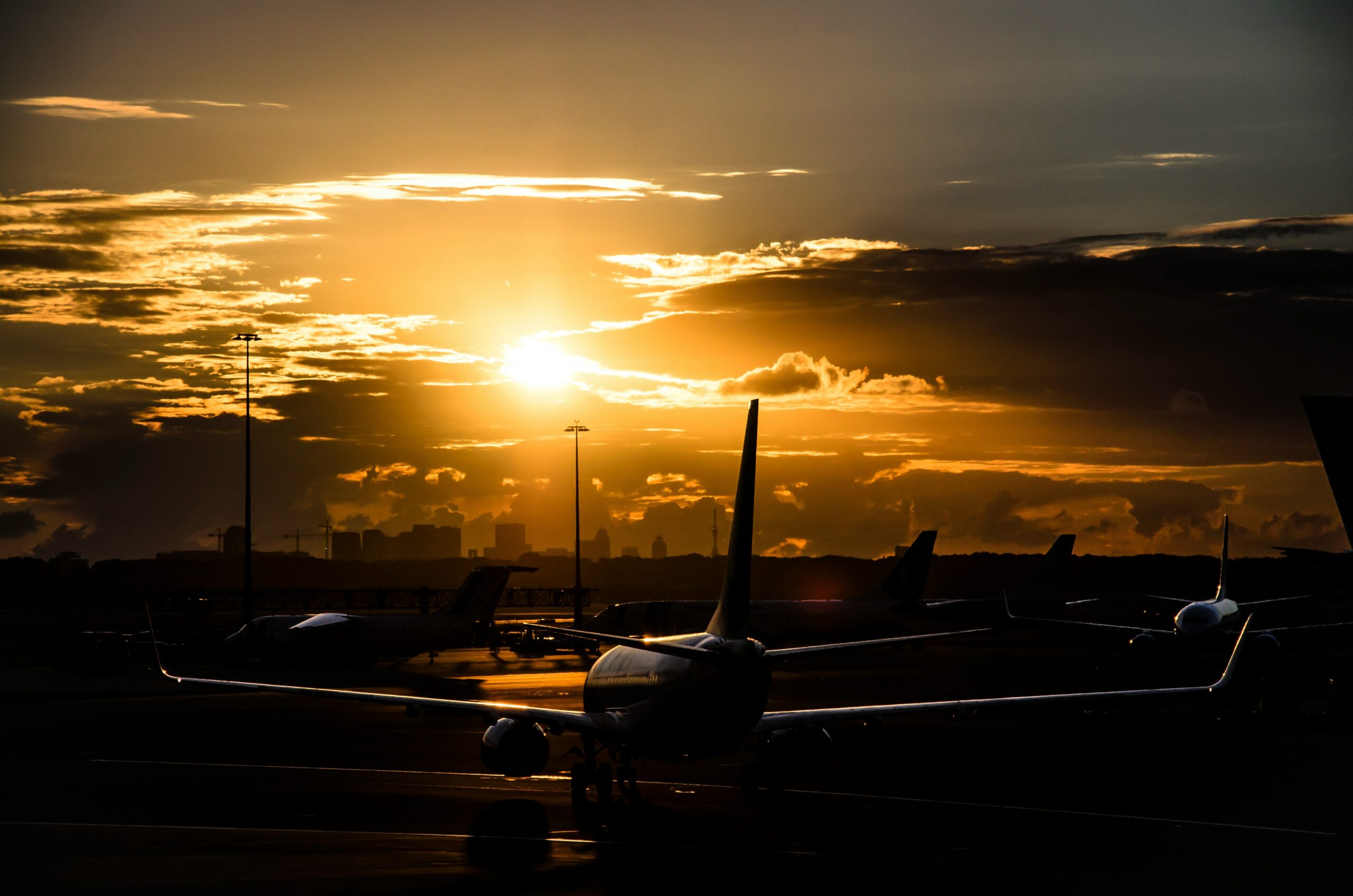
At the peak of the GTF crisis, nearly 20% of Spirit’s fleet sat grounded — still accumulating full lease and debt costs with zero revenue output. Photo: Jošua Bird / Unsplash
3. Fuel — The Final Wall
Spirit’s financial model was built on fuel cost assumptions the market did not honor. Company disclosures confirmed that a 10% increase in fuel price would have increased 2024 fuel costs by $147.9 million. When geopolitical events drove jet fuel prices sharply higher in early 2026, Spirit had no margin left to absorb the impact. Spirit ceased operations on May 1, 2026, with the official wind-down announcement issued May 2, 2026, citing high jet fuel prices as a contributing final pressure.
4. How the Blocked JetBlue Merger Accelerated Spirit’s Downfall
Spirit’s strategic options were effectively exhausted by two failed merger attempts that left it isolated and weakened.
The first attempt came in 2022, when Frontier Airlines proposed acquiring Spirit in a deal valued at $6.6 billion including debt and lease liabilities. JetBlue then entered with a competing bid of $3.8 billion. The Frontier deal collapsed. JetBlue’s acquisition moved forward — until a federal judge blocked it on January 16, 2024, ruling that the merger would harm low-fare competition.
JetBlue terminated the deal on March 4, 2024, paying Spirit a $69 million termination fee. Spirit shareholders had already received approximately $425 million in prepayments during the merger process.
The regulatory logic was straightforward: preserve competition by preventing consolidation. The outcome was the opposite. Less than two years after the JetBlue deal was blocked to protect low-fare competition, Spirit collapsed — and there is now less low-cost competition in American aviation than there would have been under either merger scenario.
5. The Aircraft Debt Trap
Spirit’s fleet became a liability at the worst possible moment. In October 2025, Spirit settled with lessor AerCap by rejecting commitments for 52 Airbus aircraft, surrendering options for 10 more, and rejecting 27 of 37 existing leases. AerCap received an unsecured claim of up to $572 million and retained $9.7 million in deposits.
By the time Spirit ceased operations, it had 114 Airbus A Three Twenty-family aircraft remaining — 66 leased, with 17 GTF engines owned by lessors. In one of the more striking details of the collapse, some near-new A Three Twenty Neo aircraft were being dismantled entirely. The Pratt and Whitney GTF engines fitted to those aircraft were worth more on the open market than the airframes themselves. Spirit’s newest planes were more valuable as spare parts than as flying aircraft.
How Spirit’s Exit Created Instant Airline Monopolies
The competitive impact of Spirit’s collapse is best understood through the route data. The numbers are remarkable for a carrier that held just 1.77% of the US airline market.
Arnold Palmer Regional Airport in Latrobe, Pennsylvania lost every airline. Atlantic City lost roughly half its flights. These airline monopoly routes represent a structural shift in US domestic competition that will not reverse quickly.
Route-Level Fare Impact
| Route | Previous Fare | Post-Exit Fare | % Increase |
|---|---|---|---|
| Oakland to Newark | $135 | $288 | +113% |
| Fort Myers to San Juan | $92 | $219 | +138% |
| Oakland to Los Angeles | $45 | $59 | +31% |
| Fort Lauderdale to Salt Lake City | $165 | $215 | +30% |
| Oakland to Houston | — | — | +25% |
| Las Vegas to Charleston / Richmond | — | — | +15% |
The Pricing Anchor Nobody Is Talking About
Here is the mechanism behind these numbers that most coverage is not explaining — and it is the real reason why flights are so expensive in 2026.
When Spirit was operating a route, its presence set a price ceiling for every other carrier on that route — even for passengers who never flew Spirit. If Spirit was selling a seat for $50 and a legacy carrier was selling the same route for $55, the gap was small enough that many passengers chose the legacy for its schedule options or frequency advantages. The legacy still won those customers. But it could not charge $300 on that route. Spirit’s presence made that impossible.
Remove Spirit, and the ceiling disappears. The remaining carrier no longer needs to compete on price. And because the legacy carrier’s cost structure — labor, fuel, maintenance, infrastructure — has not changed, it needs to recover margin somewhere. That somewhere is the fare. Every time.
This is the mechanism the business press is describing as a “14% fare increase.” What it actually represents is the removal of a competitive constraint that was suppressing fares across hundreds of routes simultaneously — by a carrier with less than 2% market share.
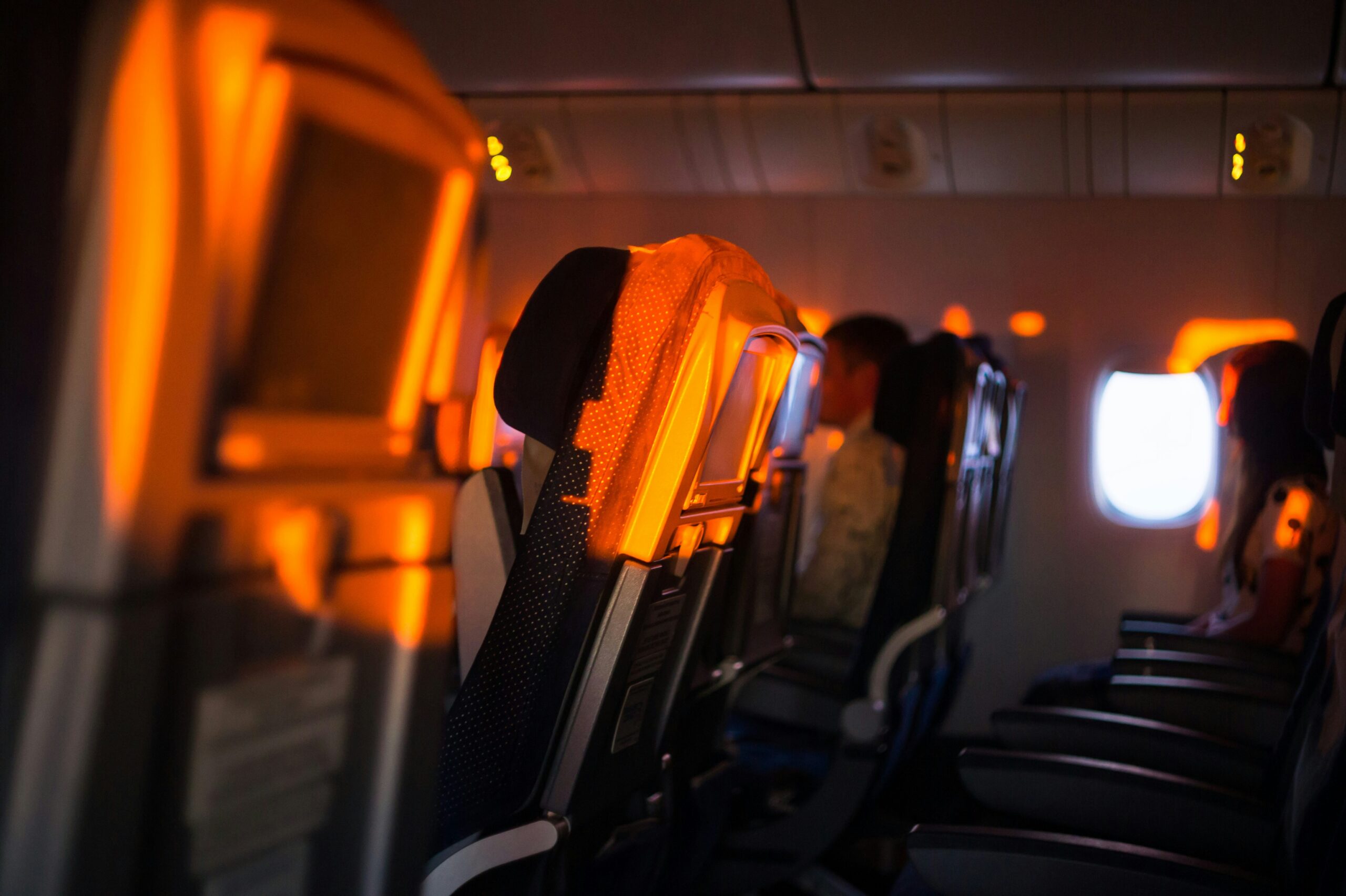
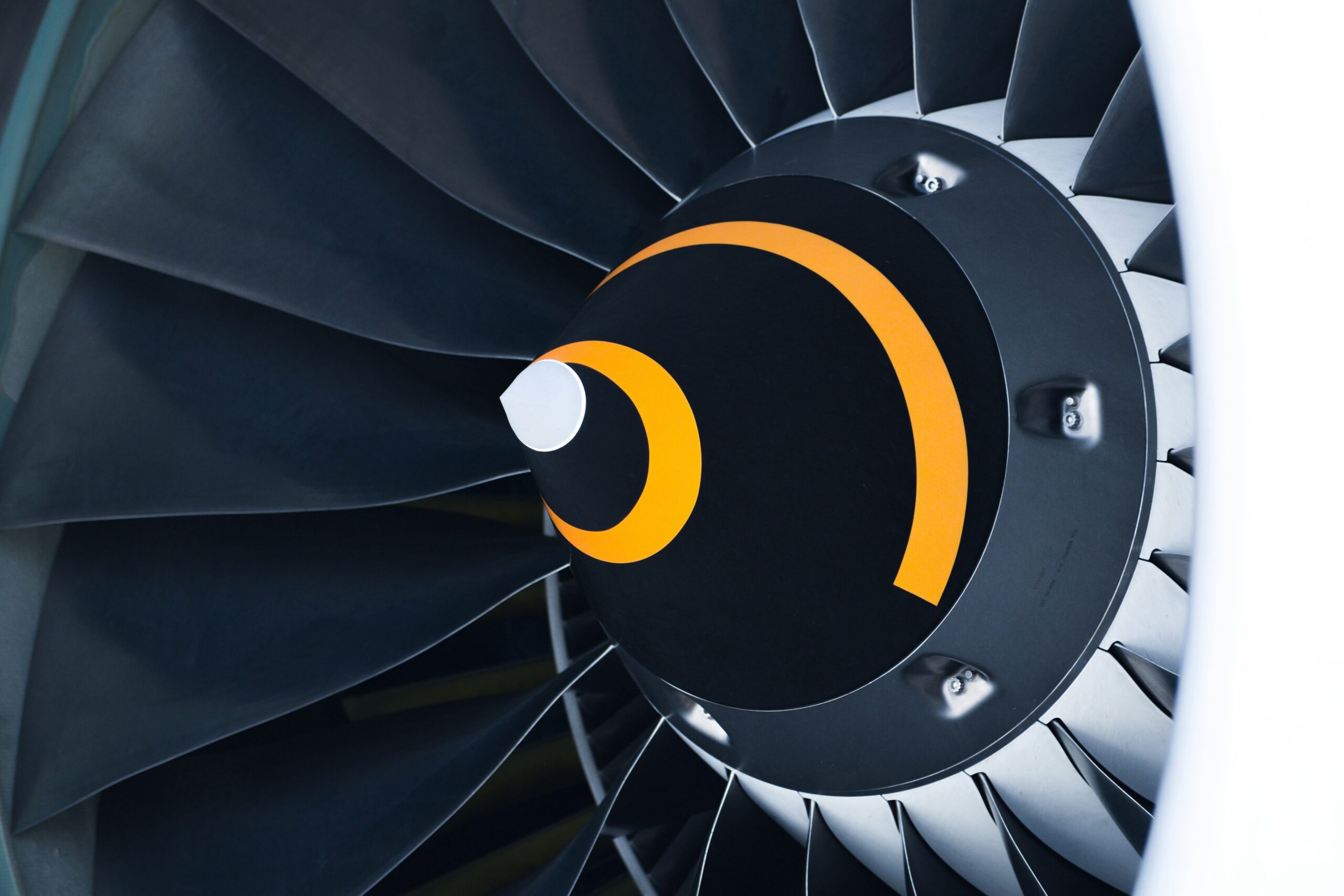
The 14% average fare increase on Spirit exit routes is the floor, not the ceiling. As the remaining ULCC sector recalibrates, leisure route passengers should expect current levels to persist. Photo: Aleksei Zaitcev / Unsplash
Who Fills the Void? Frontier vs The Rest
Frontier Airlines moved fastest to fill the void. In the week following Spirit’s shutdown, five carriers — Breeze, Delta, Frontier, JetBlue, and United — added or increased capacity on 55 former Spirit routes. Frontier alone announced nine new routes and fifteen additional daily departures across eighteen former Spirit markets.
But replacement is not restoration. Only approximately half of Spirit’s capacity had been replaced as of mid-May 2026, and the surviving budget carriers remain under pressure from the same structural forces — fuel, labor, maintenance, and lease costs — that grounded Spirit.
The Allegiant and Sun Country merger, completed for $1.5 billion in January 2026, is the clearest signal of where the ULCC sector is heading. The combined carrier operates approximately 195 aircraft across 175 cities and more than 650 routes. But the strategic direction is away from pure ultra-low-cost competition and toward a leisure, charter, and cargo hybrid model — a more durable path than the model Spirit was running.
The Structural Problem the US ULCC Model Never Solved
Look at how European ultra-low-cost carriers actually operate. Ryanair does not fly into London Heathrow. It flies into London Stansted. London Luton. Secondary airports with lower landing fees, less congestion, and operational environments where the carrier controls costs at the ground level as aggressively as it controls them in the air. Ryanair operates its own air stairs. It handles boarding independently. It strips out every possible cost at the airport interface — not just at the ticket window.
American ULCCs never made that structural transition. Spirit operated out of major legacy hubs — Fort Lauderdale, Las Vegas, Orlando, Detroit — competing directly with carriers that had infrastructure advantages, schedule density, and frequent flyer loyalty ecosystems that Spirit could never match. Spirit was operating like a legacy carrier in terms of airport presence and ground operations, while pricing like a budget carrier. The cost floors are too high and the revenue ceiling is too low. That is not a sustainable position indefinitely.
If a genuine ultra-low-cost model is going to survive and grow in the United States, it will need to look more like the European model structurally. Secondary airports. Lower ground costs. Operational independence from legacy airport infrastructure. Until that structural shift happens, the floor on US domestic airfares is meaningfully higher than it was before May 2, 2026.
Liquidating Spirit: Why Engines Are Worth More Than Planes
The liquidation of Spirit’s assets reveals just how distorted the aviation market has become under the GTF engine crisis.
Aircraft: Spirit’s owned aircraft — primarily A Three Twenty and A Three Twenty One CEO variants — were sold through bankruptcy proceedings, with approximately 20 aircraft sold to CSDS Asset Management. The remainder are being sold to settle senior secured debt obligations.
Engines: The Pratt and Whitney GTF engines fitted to Spirit’s A Three Twenty Neo fleet have become some of the most sought-after assets in the current market. The global engine shortage — itself partially caused by the GTF inspection crisis — means operators are aggressively bidding for spare GTF units to return their own grounded aircraft to service. In several cases, Spirit’s near-new A Three Twenty Neos are being dismantled entirely because the engine value exceeds the combined value of the airframe.
Gates and slots: Most airport authorities have already reclaimed Spirit’s gate leases. At capacity-constrained airports including LaGuardia and Reagan National, those slots are expected to attract aggressive bidding from legacy carriers seeking to further consolidate their competitive positions.
Routes: No single airline absorbed Spirit’s network. Capacity is being redistributed route by route, with Frontier, JetBlue, Breeze, and the major carriers selectively adding service where pricing power justifies the capacity.
What This Means for Passengers: Airfare Price Increases in 2026
The honest assessment is that the structural conditions that made $19 tickets possible in the United States no longer exist in the current market environment.
Labor costs have reset to a permanently higher floor following post-pandemic contract cycles across every major carrier and labor group. Fuel costs remain volatile with no reliable downward trend. Aircraft financing costs have risen with broader interest rate movements. And the GTF engine crisis has reduced available seat capacity across the A Three Twenty Neo fleet industry-wide, removing a supply-side pressure that was helping to hold fares down.
The 14% average fare increase on Spirit exit routes is not the ceiling. It is the floor. As the remaining ULCC capacity adjusts to the new competitive reality — and as Frontier recalibrates its own pricing with less competitive pressure — passengers on leisure routes that Spirit once served should expect current fare levels to persist and potentially increase further.
The regulatory decision to block the JetBlue merger was made with the intention of protecting low-cost competition. The outcome has been a market with substantially less low-cost competition than existed before the decision. That is not an argument that every airline merger should be approved. It is an argument that the analysis of competitive harm needs to account for the scenario where the protected carrier fails anyway — because that scenario is now the one passengers are living with.
Is There a Path Back to Cheap Flying?
Possibly. But not under the current model.
A structurally viable ultra-low-cost carrier in the United States would need to operate from secondary airports with meaningfully lower cost structures. It would need to negotiate ground handling and airport operations on terms that reduce the per-departure cost below what legacy hubs allow. It would need to build a network that avoids direct head-to-head competition with carriers that have loyalty programs, corporate contracts, and schedule frequency advantages that a startup ULCC cannot replicate.
That is not impossible. It is the Ryanair model. It is the model that has produced one of the most consistently profitable airlines in the world over three decades. But it requires a fundamentally different strategic approach than the one American ULCCs have pursued — and it requires airports, regulators, and investors willing to support a genuinely differentiated model rather than a legacy operation with a low-fare sticker on it.
Until that model emerges, the pricing anchor is gone. And passengers are paying for it.
Conclusion
Spirit Airlines’ collapse is not just a corporate failure. It is a structural event with lasting consequences for airfare competition across hundreds of US domestic routes. A carrier with less than 2% market share was suppressing prices for millions of passengers who never flew it — simply by existing and competing. Its removal has exposed how fragile the competitive architecture of US domestic aviation actually is, and how quickly monopoly conditions can emerge when the pricing anchor disappears.
The era of the $19 ticket is over. What replaces it — and whether genuine low-cost competition can be rebuilt on a structurally sound foundation — is the question the industry now has to answer.