Summer 2026: Can the US Aviation System Handle the Strain?
May 18, 202612 min read
Every summer, the US airline industry braces for its busiest season. But Summer 2026 is different. This is not a busy summer. This is a collision of five structural forces all hitting simultaneously that will push the US aviation system closer to its operational limits than at any point in modern history.
American Airlines alone is projecting 75 million passengers across 750,000 flights between May 21 and September 8. At absolute peak, five flights will take off from US airports every single minute. Add the FIFA World Cup 2026, a quietly worsening FAA air traffic controller shortage, the sudden collapse of Spirit Airlines, and three major carriers aggressively selling premium experiences under maximum system pressure — and you have the ingredients for the ultimate aviation stress test.
Here is the full breakdown of what is coming, why it matters, and what it means for anyone flying this summer.
Key Takeaways: American Airlines is projecting 75 million passengers and five flights every minute at peak. The FAA cut its controller target from 14,633 to 12,563 while only 11,000 are active. The FIFA World Cup 2026 adds concentrated demand into 16 host cities. Spirit Airlines ceased operations May 2, removing the fare floor from dozens of markets. Premium status protects you in localised disruptions but not system-wide events.
Force 1: Record Demand
American Airlines has publicly committed to carrying 75 million customers across 750,000 flights — an average of over 8,300 flights per day across the American network alone. At absolute peak the carrier expects to operate 6,995 flights in a single day. Five departures every sixty seconds sustained across an entire operating day. Delta and United are both running record summer schedules of their own. The combined Big 3 scheduled capacity for Summer 2026 represents the largest volume of commercial air travel ever attempted in the United States.
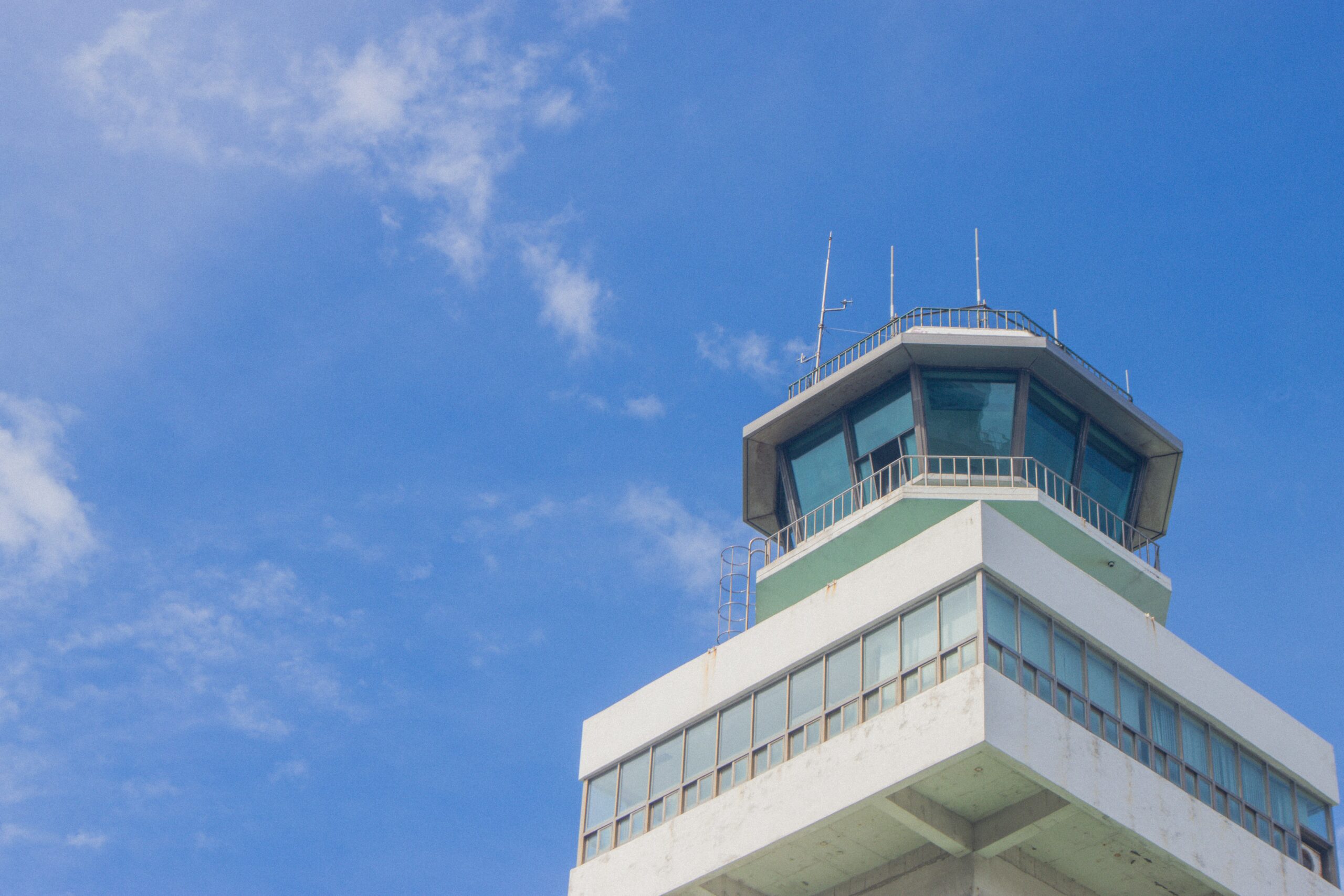
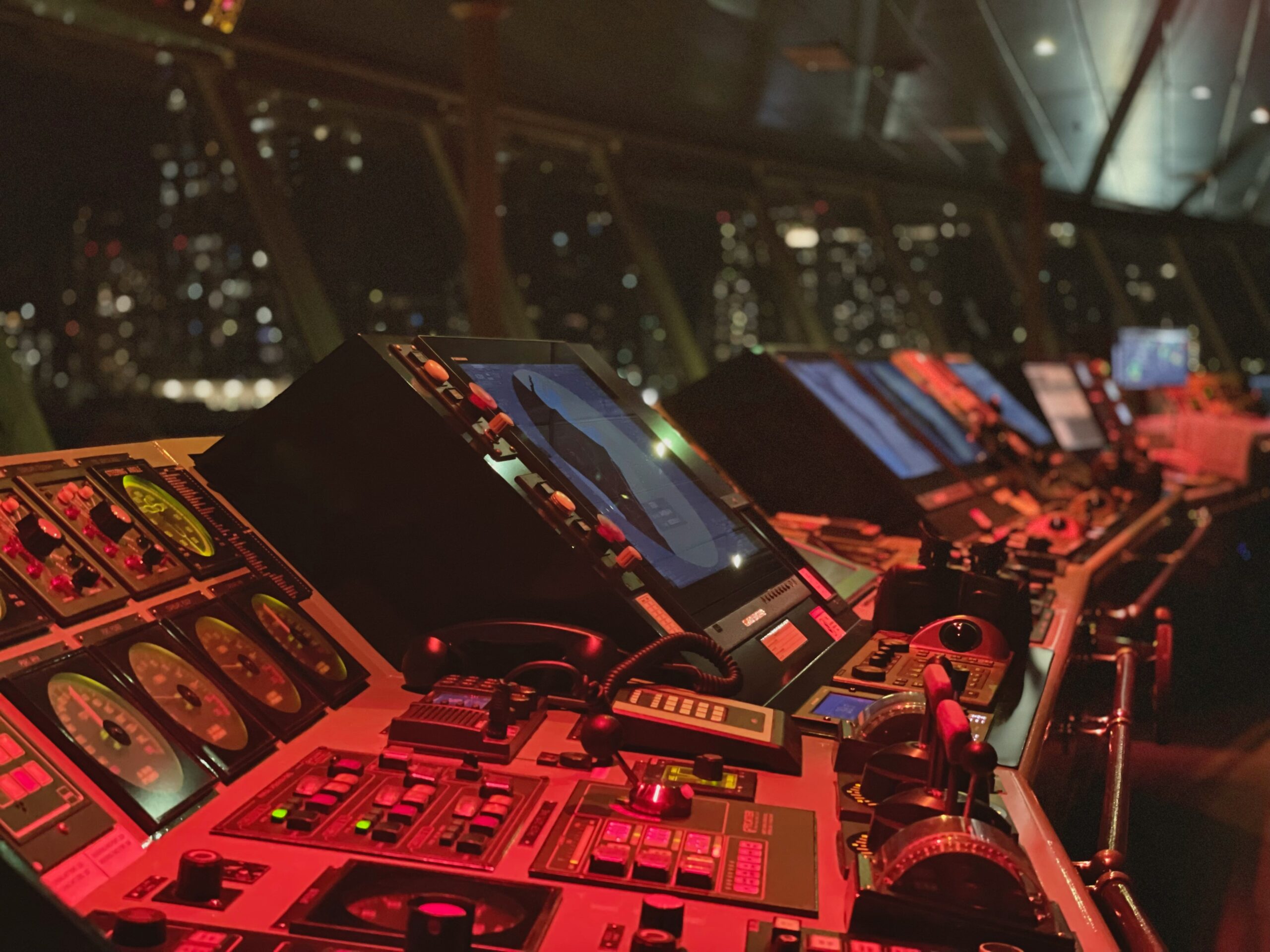
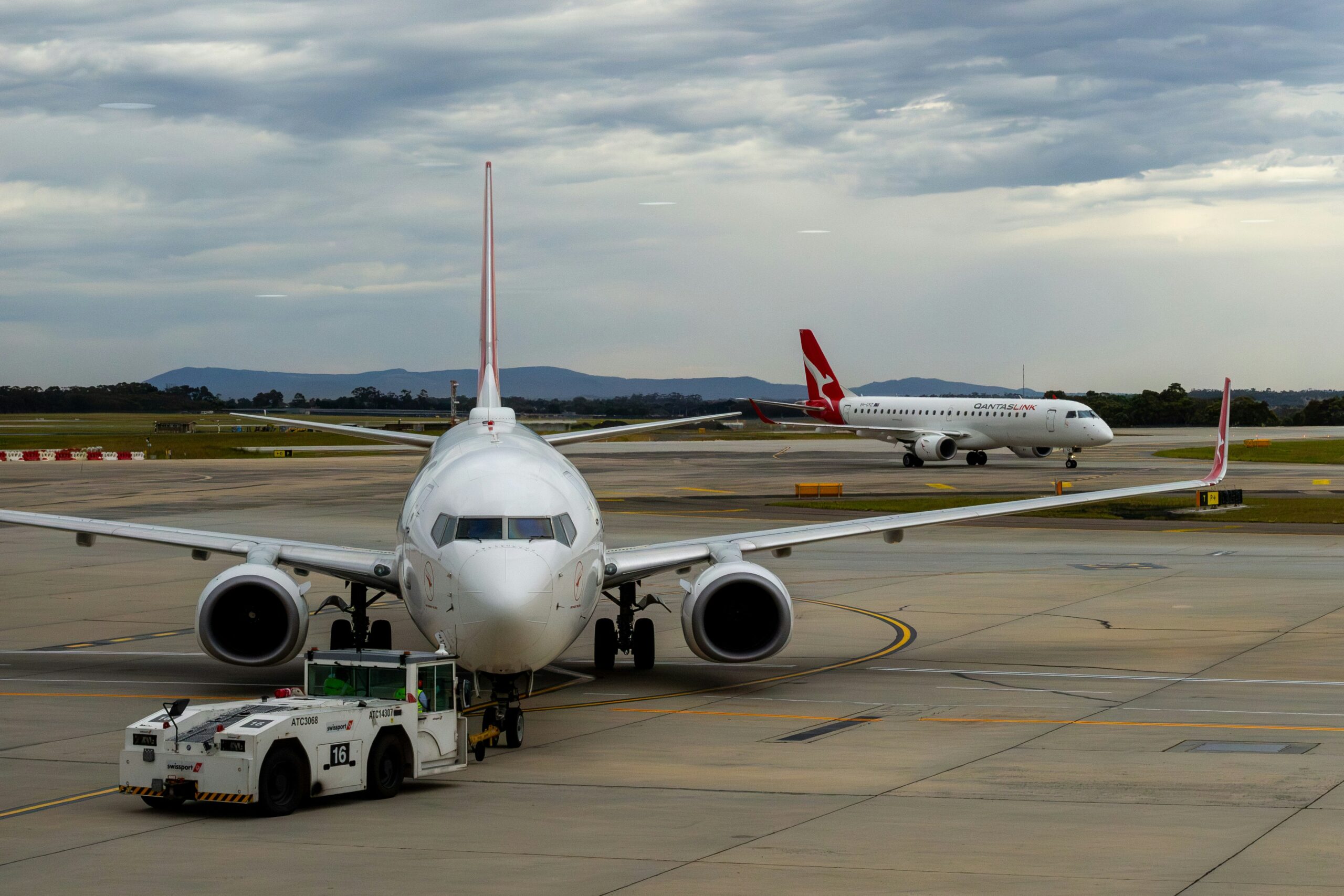
Photo: Icarus Chu / Unsplash
Force 2: The FIFA World Cup 2026
Forty-eight teams. One hundred and four matches. Sixteen host cities across the United States, Canada, and Mexico. The tournament runs June 11 through July 19, 2026 — landing the World Cup Final at MetLife Stadium in New Jersey directly in the middle of the summer peak travel window. Dallas-Fort Worth is seeing a booking spike of 42% year over year. Houston is up 38%. Atlanta is up 14% — and Atlanta is already the world’s busiest airport. The New York-New Jersey metro area faces extreme sustained pressure hosting the World Cup Final on July 19.
The World Cup Final and Northeast Corridor Pressure
Newark Liberty is the primary gateway for the Final. The FAA and NBAA have already warned that specific Traffic Management Initiatives will be deployed across the Northeast corridor in the days surrounding the Final. The Big 3 are reallocating premium network capacity to protect high-yield routes into World Cup host cities. If you are not flying a premium route to a World Cup city, your flight is statistically more exposed to delay or cancellation when the network needs to make choices.
Force 3: The FAA Staffing Crisis
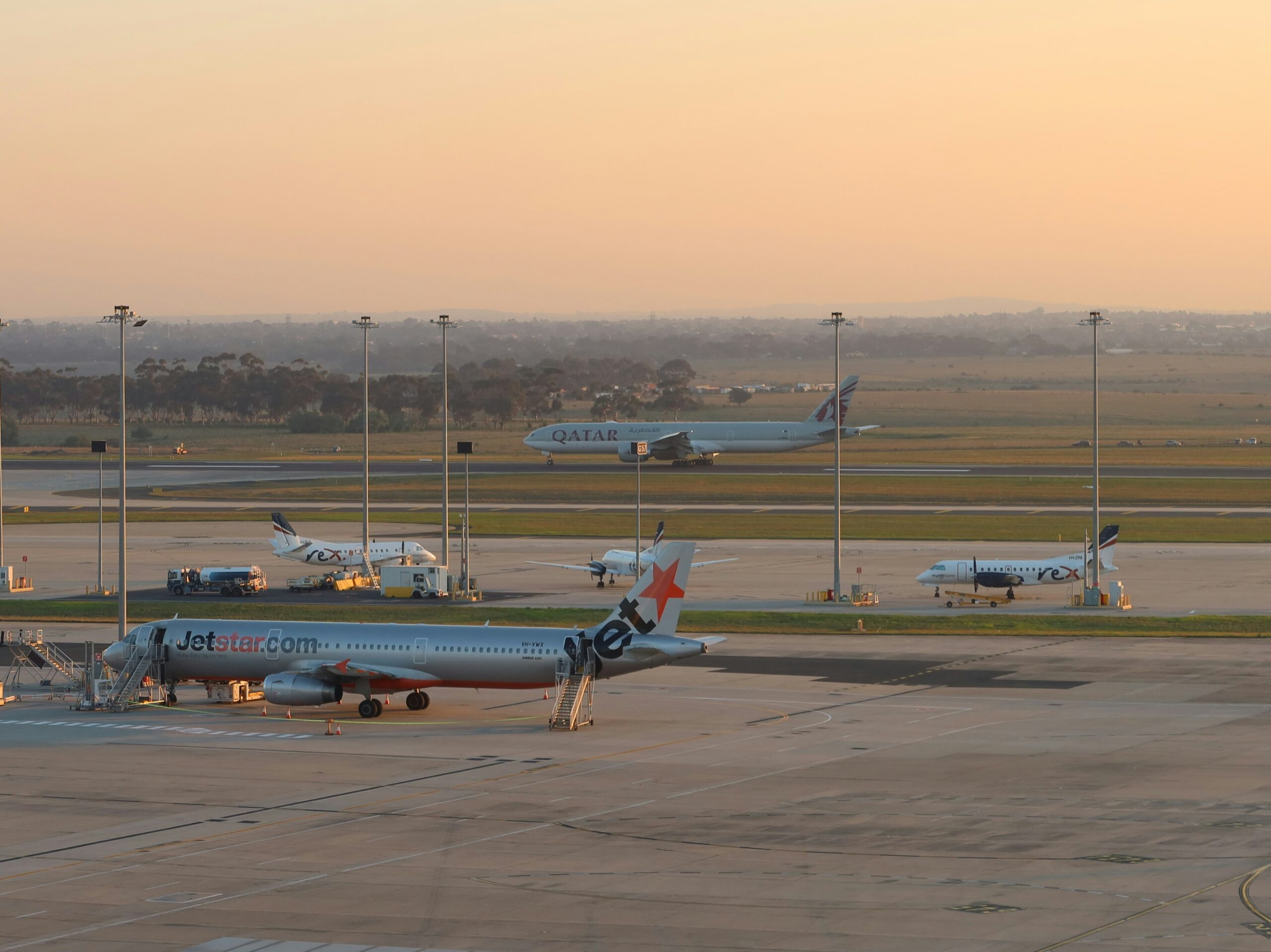
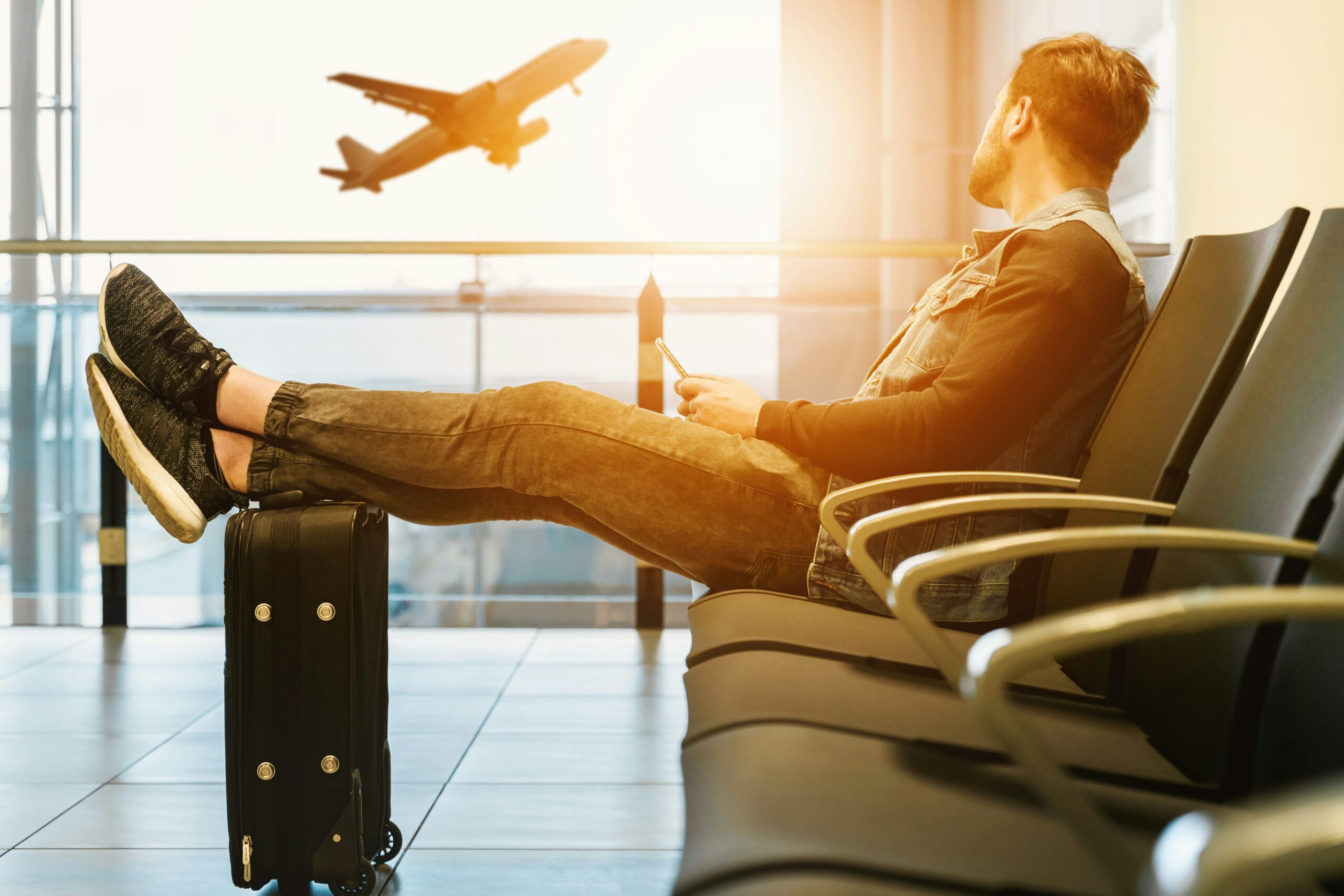
Photo: yeojin yun / Unsplash
On May 15, 2026, the FAA released its new workforce plan reducing its fully-staffed controller target from 14,633 down to 12,563. Right now there are approximately 11,000 active certified professional controllers — a shortfall of over 1,500 against even the new lower target. NATCA was excluded from the modelling process entirely and has publicly pushed back. Controllers logged 2.2 million overtime hours in 2024.
At a major hub a Ground Delay Program triggers the snowball effect. A delayed departure in Dallas creates a late arrival in Chicago. A late arrival creates a missed connection. A missed connection creates a re-booked passenger competing for a seat on the next flight which is already full. When the snowball gets large enough airlines shift into salvage mode. For a deeper explanation of how air traffic control works visit the Aviation, Decoded glossary.
The FAA has already pre-emptively capped Chicago O’Hare at 2,708 daily flights. Airlines wanted 3,080. The cap is purely a function of ATC capacity constraints under current staffing levels.
Force 4: The Spirit Airlines Liquidation
On May 2, 2026, Spirit Airlines ceased operations permanently. Spirit was the pricing anchor that forced the Big 3 to compete at the bottom of the fare ladder. The most directly affected markets are Fort Lauderdale, Orlando, and Las Vegas. The DOT stepped in with short-term rescue fares of $199 to $299. Those fares are temporary. This is the definition of an ultra-low-cost carrier vacuum, and Summer 2026 fares are already reflecting the absence.
Force 5: The Premium Promise
Delta, United, and American have all been aggressively selling premium travel experiences. Premium and status provide meaningful protection when disruption is localised. But when system-wide disruption hits at scale — a major weather event, Ground Delay Programs running simultaneously across multiple facilities, cascading hub delays — the protection premium provides becomes relative rather than absolute. A Ground Stop does not have a first class lane. An Airspace Flow Program does not prioritise by frequent flyer tier.
Which Carrier Is Best Positioned?
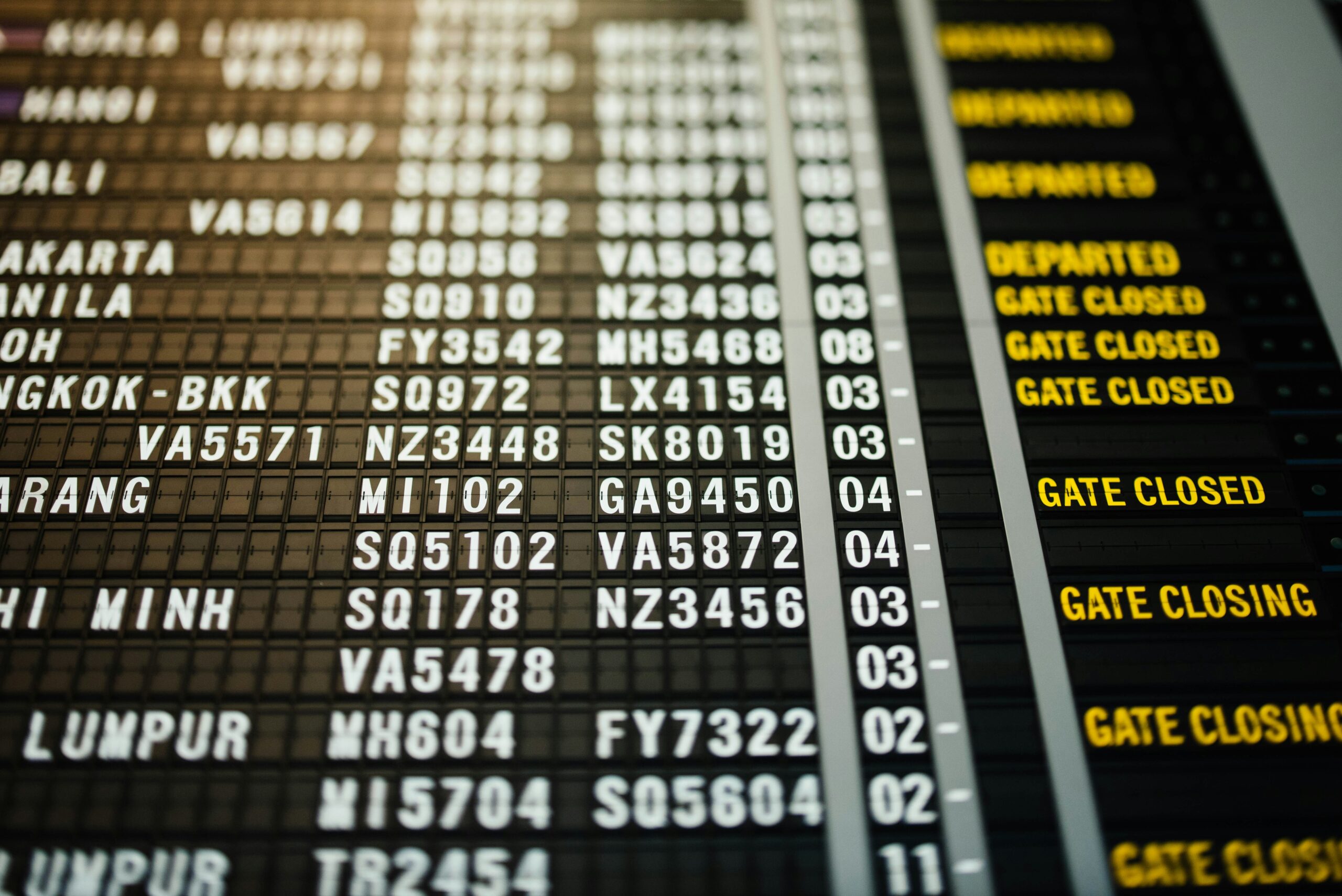
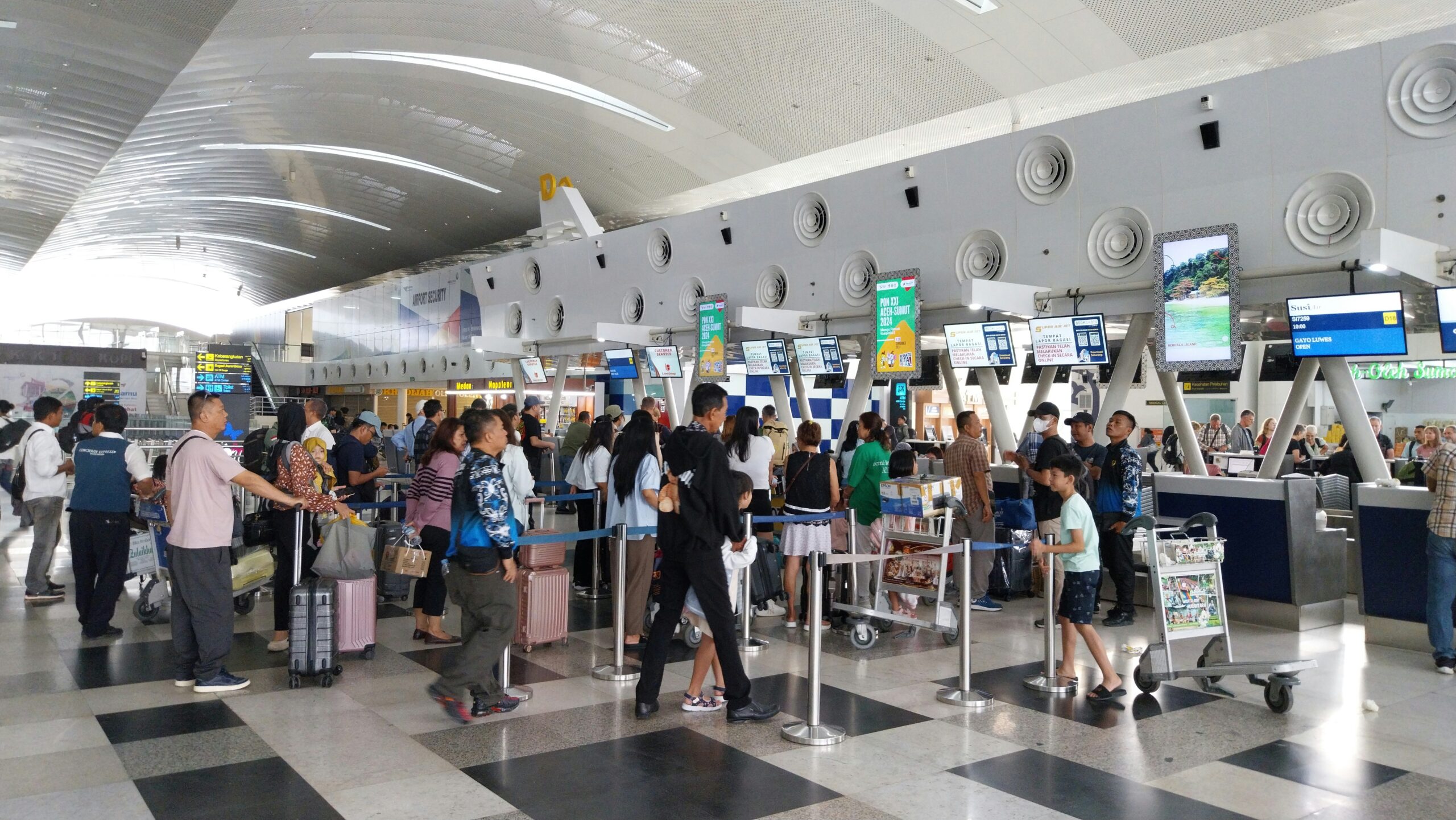
Photo: Devin Macdonald / Unsplash
Delta Air Lines enters the summer with the strongest product reputation and best margin structure, but is constrained by fleet scale and Atlanta’s volatile summer weather. United Airlines holds the strongest international position — the World Cup drives significant inbound traffic that plays directly to its network strengths — but its domestic network is thinner. American Airlines has the largest fleet and the most aggressive domestic schedule. Its new thirteen-bank hub structure at DFW builds operational buffer into the network — more ground time between banks creates room to absorb delays and still protect connecting passengers. If American executes what it is promising, it could emerge from Summer 2026 with the strongest competitive position. But the margin for error is thin.
What This Means for Passengers
Build more buffer time into your itineraries. Connection times that work fine in a normal summer will be marginal in a system running at maximum capacity. DFW, ATL, EWR, ORD, and LAX are the highest-pressure points this summer. If you are travelling to a World Cup host city between June 11 and July 19, book early. If you were relying on Spirit Airlines pricing in Fort Lauderdale, Orlando, or Las Vegas — that pricing environment no longer exists.
How will the FAA air traffic controller shortage affect Summer 2026 flight delays?
The FAA’s 2026 workforce plan reduced its fully-staffed controller target from 14,633 to 12,563 while only around 11,000 controllers are currently active. This means the FAA is relying on Ground Delay Programs, Airspace Flow Programs, and mandatory overtime to manage peak demand. When deployed simultaneously across multiple facilities — which summer weather and World Cup traffic make likely — delays cascade quickly across hub networks.
Which US airports face the highest congestion risks during FIFA World Cup 2026?
Dallas-Fort Worth, Houston, Atlanta, the New York-New Jersey metro area, Los Angeles, and Miami face the highest congestion risks. DFW is seeing a 42% booking spike year over year and is hosting World Cup semifinal matches. The New York-New Jersey corridor faces extreme pressure around the World Cup Final on July 19, with FAA Traffic Management Initiatives already expected to be deployed across Newark, JFK, and LaGuardia.
How did the Spirit Airlines liquidation impact summer 2026 airfares?
Spirit Airlines ceased operations May 2, 2026, removing the ultra-low-cost fare floor from dozens of US leisure markets including Fort Lauderdale, Orlando, and Las Vegas. With no comparable competitor replacing it, Summer 2026 fares in the affected markets are structurally higher than any previous comparable summer.
Does airline status or premium class protect you from delays?
Ground Delay Programs and Airspace Flow Programs affect all passengers regardless of tier. Premium status provides real advantages in localised disruptions — priority re-booking and better access to remaining inventory. But it does not exempt you from system-wide disruptions.
What is the structural impact of the Spirit Airlines capacity removal on US domestic routes?
Spirit’s liquidation removed significant seat capacity from key leisure markets and eliminated the ultra-low-cost competitive pressure that kept the Big 3’s pricing in check. In markets like Fort Lauderdale, Orlando, and Las Vegas, Spirit forced American, Delta, United, and Southwest to compete on price. Without that capacity the structural fare environment in those markets has shifted permanently upward.
Annette Voss covers airline operations, industry economics, and the structural forces shaping commercial aviation. Air Ops Ctrl publishes independent analysis focused on the how, the why, and the what next.
Flight Cancelled or Delayed? Your Real US Passenger Rights in 2026
May 17, 202610 min read
Most passengers heading into summer 2026 believe airlines now owe automatic cash compensation when flights go wrong. They don’t. The rule that would have forced US carriers to pay passengers cash for airline-caused delays and cancellations was quietly withdrawn in late 2025 — and most travelers never noticed. What replaced it is a more limited, more conditional set of protections that airlines understand in extraordinary detail and most passengers do not understand at all.
That information gap is not an accident. Understanding what you are actually owed — and more critically, the exact moment you stop being owed it — is the difference between a full cash refund and a travel voucher that expires before you can use it. This is the insider breakdown.
The Rule That Was Promised — And Then Withdrawn
In 2024, the Biden administration’s Department of Transportation finalized two landmark rules. The first required airlines to issue automatic cash refunds for cancelled flights and significant delays — no more passengers having to call, argue, or navigate hidden menus to get their money back. The second proposed mandatory cash compensation for airline-caused disruptions, similar to the protections that have existed in Europe for years.
The first rule survived. The second did not. In November 2025, the Trump administration withdrew the mandatory cash compensation proposal, citing regulatory burden and arguing it exceeded what Congress had actually required. That decision removed what would have been a genuine structural shift in US passenger rights. Airlines would have owed up to $775 in cash for controllable delays of three hours or more on domestic flights. That obligation no longer exists.
What remains is the automatic refund rule — real, enforceable, and in full effect as of April 2026. But it only applies under specific conditions, and the most important condition is one airlines are very careful not to advertise clearly.
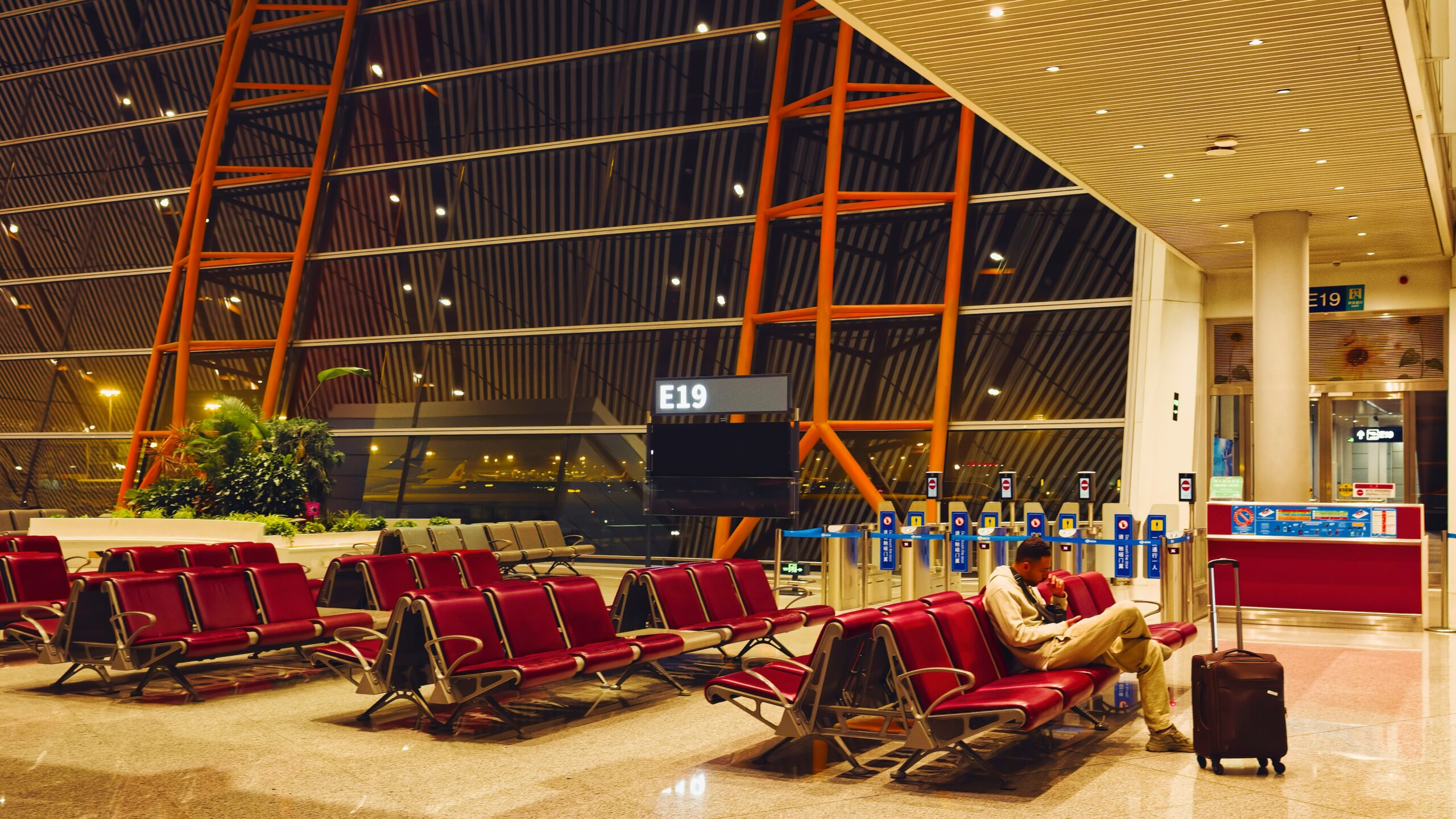
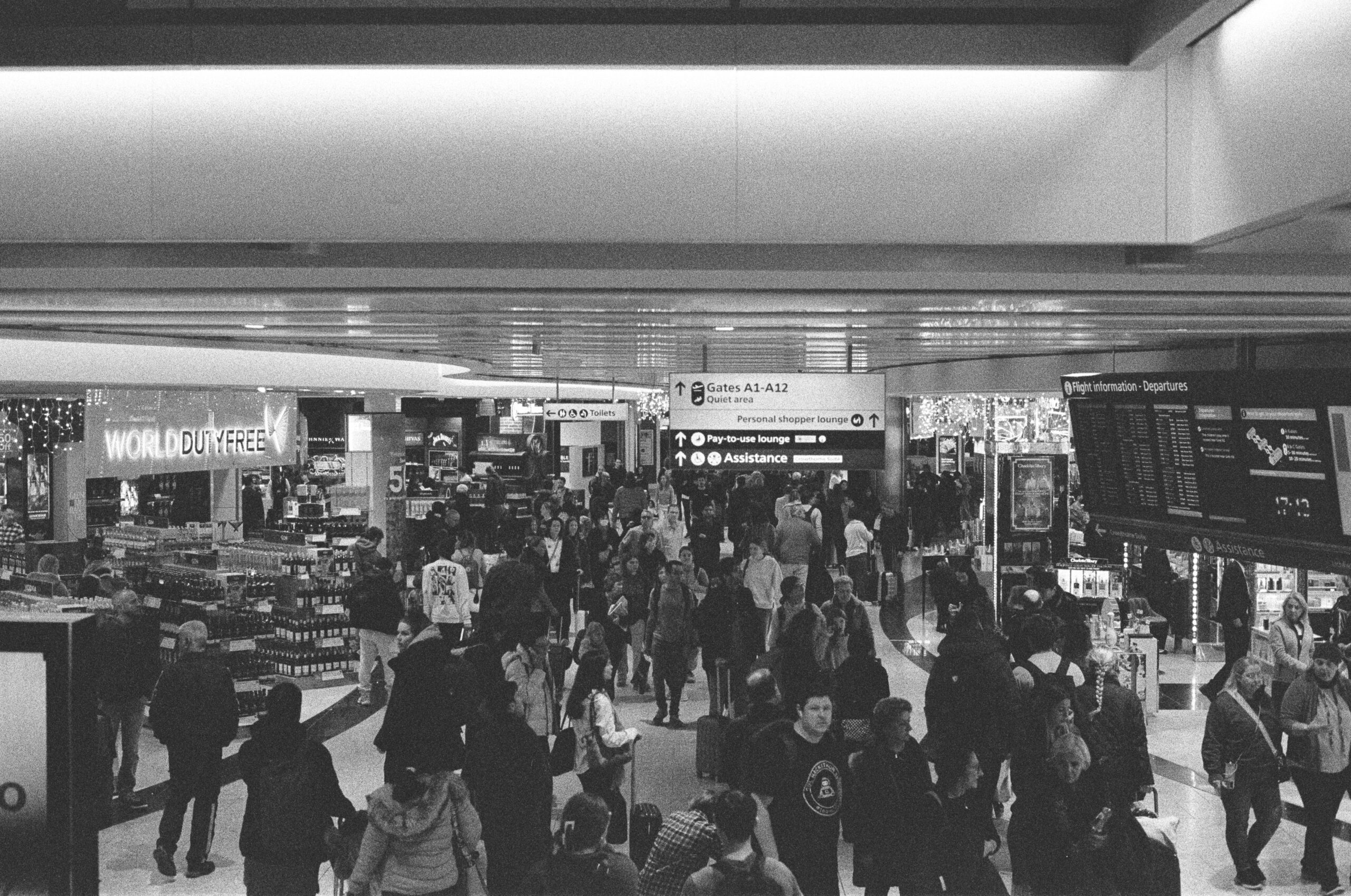
Flight information boards have become a familiar sight for disrupted passengers — but the rights that apply depend on what happens next at the gate. Photo: CHUTTERSNAP / Unsplash
The Refund Right — And the One Move That Eliminates It
Under the current DOT automatic refund rule, you are entitled to a full cash refund to your original payment method if your flight is cancelled or significantly delayed and you choose not to travel. For domestic flights, a significant delay is defined as three hours or more from your original departure or arrival time. For international flights, the threshold is six hours.
The critical word is “choose.” The refund right exists only if you decide not to travel on the disrupted or alternative itinerary. The moment you accept a rebooking on a later flight, say yes to a rerouting, or click “accept” on the airline app when an alternative is offered — the refund right is gone. You have chosen to travel. The airline’s obligation to return your money disappears with that decision.
The gate agent’s script is designed around this moment. When a flight is cancelled or significantly delayed, the first thing airlines do is offer rebooking. Operationally this makes sense — they want to recover the disruption and get passengers moving. But the rebooking offer is also the mechanism by which the refund obligation is most commonly extinguished. You are not told that accepting rebooking eliminates your cash refund right. The agent’s job is to rebook you, not to explain the legal consequences of accepting.
The same logic applies to eCredits and travel vouchers. Airlines configure their apps and self-service kiosks to present the voucher as the default option. Accepting it is fast, easy, and means the money stays with the airline. Under DOT rules, passengers are legally entitled to cash — but the rule also requires the airline to make that clear. Whether that clarity actually reaches you in the middle of a chaotic disruption is a different question. A February 2026 audit found that several ultra-low-cost carriers were still routing passengers toward credits before offering cash refunds as required.
What “Controllable” and “Uncontrollable” Actually Means
The distinction between a controllable delay and an uncontrollable one is one of the most consequential classifications in aviation — and one almost no passenger understands. It determines whether an airline’s customer service commitments kick in: meals, hotel accommodation, ground transport, rebooking priority.
A controllable disruption is one caused by factors within the airline’s operational control: a mechanical issue, a crew scheduling problem, a fueling delay, a cleaning turnaround that ran long. An uncontrollable disruption is one caused by external factors: weather, ATC ground stops, a third-party security event.
What most passengers do not know is that this classification is made internally by the airline’s Network Operations Center. There is no independent verification of delay codes at the time of disruption. Airlines have a financial incentive to code disruptions as uncontrollable wherever operationally defensible — because uncontrollable disruptions do not trigger the service commitments listed on the DOT’s airline customer service dashboard.
The dashboard itself is important context. Following pressure from the Biden DOT, all major US carriers signed up to provide meals and hotel accommodation for controllable cancellations and significant delays. These are voluntary commitments, not legal mandates. And they are only as good as the delay code assigned to your flight in the NOC. Understanding that your IROP is being managed at a network level — not by the gate agent standing in front of you — explains why the conversation at the desk often feels limited. The agent is working within constraints set floors above them.
The waiting game at the gate is familiar to millions of summer travelers — but what you are owed depends heavily on what caused the disruption, and who made that call. Photo: JESHOOTS.COM / Unsplash
Overbooking — Where US Cash Rights Are Actually Strongest
The counterintuitive truth of US passenger rights is this: the scenario where you have the most genuine leverage is not a cancellation or a delay. It is being bumped off a flight you were confirmed on.
Overbooking is legal, deliberate, and deeply integrated into airline revenue management. Airlines use decades of no-show data to sell more tickets than available seats on virtually every departure. The yield management models that drive this practice are sophisticated enough to account for route, day of week, season, fare class mix, and connecting passenger behaviour. Most of the time the model is right and every seat fills without incident. When it misfires, the airline has a problem — and you have leverage.
The DOT’s rules create a two-tier response. First, the airline must solicit volunteers — Voluntary Denied Boarding. Gate agents will offer increasing compensation to persuade passengers to take a later flight. VDB offers are negotiable. The first number is rarely the ceiling. If you have flexibility, the airline needs something from you, and the compensation can be pushed higher as departure approaches.
If the airline cannot find enough volunteers and must remove a confirmed passenger — Involuntary Denied Boarding — the DOT’s cash obligations trigger — formally known as Denied Boarding Compensation (DBC). For domestic flights where the airline cannot get you to your destination within one hour of your original arrival, you are owed cash equivalent to 200% of your one-way fare, capped at $775. If the delay extends beyond two hours, that doubles to 400% of your one-way fare, capped at $1,550. These figures are adjusted periodically by the DOT for inflation.
Scenario
Delay Window
Cash Owed
Domestic IDB
1–2 hrs late to destination
200% one-way fare, max $775
Domestic IDB
Over 2 hrs late to destination
400% one-way fare, max $1,550
International IDB
1–4 hrs late to destination
200% one-way fare, max $775
International IDB
Over 4 hrs late to destination
400% one-way fare, max $1,550
VDB (volunteer)
Any
Negotiated — no DOT cap
Airlines know this math precisely. The gate agent soliciting volunteers with a $400 voucher offer is doing so because the alternative — bumping a passenger and paying $775 in cash — is a worse outcome for the carrier. If you understand the IDB threshold, you understand why the VDB offer exists and why it is worth negotiating rather than accepting immediately.
It is also worth noting that load factor on peak summer routes makes overbooking more likely, not less. Airlines push RASM hardest on their highest-demand departures — which are exactly the flights passengers most need to be on. This is not coincidence; it is the structural reality of how airlines are built to operate. As we examined in detail in Why Airlines Go Bankrupt With Full Flights, a full plane is rarely the whole story.
Refund Rules for Baggage Fees — The 12-Hour Rule
One of the least-known provisions of the DOT’s 2024 refund rule covers ancillary fees — specifically checked baggage. If you paid a checked bag fee and your bag is not delivered within 12 hours of your domestic flight arriving at the gate (or within 15 to 30 hours for international, depending on flight length), the airline must automatically refund that bag fee. No request required. No complaint needed.
This provision was in full enforcement as of April 2026. The practical reality, confirmed by a February 2026 compliance audit, is that the four largest carriers — American, Delta, United, and Southwest — have updated their systems. Some ultra-low-cost carriers have not. If your bag is late and your fee is not automatically refunded within the required window, you have a clear DOT complaint with documented grounds.
What to Do When Your Flight Goes Wrong — The Gate Decision Framework
The most important decision you make during a disruption happens in the first 60 seconds at the gate or on the app. Before you tap, click, or say yes to anything, run through this sequence.
First: is the flight cancelled or is there a significant delay (three hours domestic, six hours international)? If yes, you have a refund right — but only if you choose not to travel. If you need to get to your destination and will accept rebooking regardless, this does not affect you operationally — but if your plans are flexible or the disruption is severe, do not accept rebooking before deciding whether you want a refund instead.
Second: if you decide to travel, close the app and go to the desk. Do not accept the first rebooking option without asking what alternatives exist. The app shows you one path. A human agent can see the full inventory, including seats on partner carriers under interline agreements and codeshare arrangements. The app is designed to move you efficiently through the system, not to find you the best outcome.
Third: know whether the disruption is likely controllable. A weather event is not. A mechanical issue, a crew swap, or a late inbound aircraft is. If the delay is controllable and extends to the point where you need a hotel, the airline’s customer service commitment is in play — but you may need to invoke it explicitly. Ask the agent whether the disruption is classified as controllable and what the carrier’s commitment covers. That question alone signals you know more than the average passenger, and agents will respond to it differently.
The ATC staffing situation is also relevant context here. As we covered in FAA Air Traffic Controller Shortage: The Staffing Target Cut, the FAA has been running the system on overtime and reduced staffing for years. ATC ground stops and en-route delays are increasingly common — and always classified as uncontrollable. Summer 2026 will test that system again.
The check-in counter is where most disruption conversations begin — but the decisions that determine what you are owed were made long before you arrived. Photo: Edwin Petrus / Unsplash
The Refund III Situation — Flight Renumbering and June 2026
One additional wrinkle worth understanding before summer travel: the DOT’s Refund III enforcement pause on renumbered flights runs until June 30, 2026. Under the original Biden-era refund rule, if an airline changed your flight number, the original flight was technically treated as cancelled — triggering a refund right. The DOT has temporarily paused enforcement of this provision while it works through a rulemaking to redefine what a “cancelled flight” means.
In practice, this means airlines can consolidate schedules and renumber flights without triggering automatic refund cascades — provided the rerouting does not constitute a “significant change” as defined by the DOT. If your flight gets renumbered and the new itinerary involves a departure three or more hours earlier, an arrival three or more hours later, a different originating airport, or a different destination airport, you retain a refund right. If the renumbering is cosmetic and the schedule is materially the same, the refund right currently does not apply.
The Spirit Airlines collapse earlier this year added another dimension to this picture. With Spirit gone and its routes consolidating into monopoly or duopoly coverage, the fare environment has shifted materially — fewer seats, fewer alternatives, and fewer carriers to rebook onto when things go wrong. A disruption in summer 2026 is not just an inconvenience. On some routes, it means days, not hours, before the next available seat.
The Disruption Kit — What to Carry Before You Fly This Summer
Rights matter. So does being prepared for the hours between knowing your flight is disrupted and finding out what comes next. These are the items worth having before you need them.
Apple AirTags (4-pack) — If your bag goes missing on a domestic flight, the DOT’s 12-hour baggage fee refund rule requires documented evidence. AirTag timestamps tell you exactly when and where your bag stopped moving.
Travel document organizer — Boarding passes, receipts for meals and hotels during a controllable delay, original booking confirmations. Organized documentation is the foundation of any successful DOT complaint or reimbursement request.
Global eSIM card — If an international disruption leaves you rerouted through an unplanned city, airport Wi-Fi is unreliable when you need it most. A global eSIM means you can rebook, communicate, and document without depending on terminal infrastructure.
What to Know Before You Fly This Summer
The headline version of US passenger rights in 2026 is this: you have a real, enforceable automatic refund right if you choose not to travel after a cancellation or significant delay. You have genuine cash leverage if you are bumped involuntarily. And you have ancillary fee protections that most passengers do not know exist. What you do not have is the EU-style mandatory cash compensation for airline-caused delays that was proposed and then withdrawn.
The gap between what passengers expect and what the law actually provides is where airlines operate most comfortably. Understanding the gap is the first step to closing it.
The Conditions of Carriage that govern your journey are available on every carrier’s website. They are almost never read. They are always enforced. Knowing they exist — and invoking them by name when a disruption goes wrong — signals to an agent that they are not dealing with a passenger who will accept whatever is offered first. That changes the conversation more than almost anything else you can do at the gate. It is the same reason experienced travellers still invoke Rule 240 at the gate — a rule that no longer legally exists but whose invocation consistently produces results, because it signals the same thing: you know the system.
Annette Voss
Aviation Analyst · Air Ops Ctrl
Aviation industry analyst and the voice behind Air Ops Ctrl. Annette covers the operational realities, business decisions, and safety systems that shape modern commercial aviation — the stories behind the headlines, not just the headlines themselves.
Frequently Asked Questions
Am I entitled to cash compensation if my US flight is delayed?
Not automatically. The mandatory cash compensation rule for airline-caused delays was withdrawn by the DOT in November 2025 and no longer applies. You are entitled to a cash refund to your original payment method if your flight is cancelled or significantly delayed (three hours domestic, six hours international) and you choose not to travel. If you accept rebooking, the refund right is extinguished.
What happens to my refund right if I accept rebooking?
It disappears. Under current DOT rules, choosing to travel on a rebooked itinerary following a cancellation or significant delay waives your right to a cash refund. This applies whether you accept the rebooking at the gate, through the airline’s app, or by responding to a rebooking offer. Do not accept rebooking until you have decided whether you want a refund instead.
How much cash am I owed if I am bumped from a flight against my will?
If you are involuntarily denied boarding on a domestic flight and the airline cannot get you to your destination within one hour of your original arrival time, you are owed 200% of your one-way fare up to a maximum of $775. If the delay to your destination exceeds two hours, the compensation doubles to 400% of your one-way fare up to a maximum of $1,550. These are cash payments — not vouchers.
Does the airline owe me a hotel if my flight is cancelled overnight?
Possibly, but only if the cancellation is classified as controllable — caused by something within the airline’s operational control such as a mechanical issue or crew problem. Controllable cancellation commitments (meals, hotel, ground transport) are voluntary pledges made by US carriers to the DOT, not legal mandates. Whether they apply depends on how the airline’s operations center has coded the disruption. Weather and ATC-related cancellations are classified as uncontrollable and do not trigger these commitments.
Can I get my baggage fee refunded if my bag is delayed?
Yes. Under the DOT’s 2024 automatic refund rule, which entered full enforcement in April 2026, airlines must automatically refund checked baggage fees if your bag is not delivered within 12 hours of a domestic flight arriving at the gate. For international flights, the window is 15 to 30 hours depending on flight length. No request is required — the refund should be automatic to your original payment method.
Why Are Flights So Expensive? Spirit’s Collapse & The End of Cheap Airfare
May 14, 2026Airline BusinessAirfare
Spirit Airlines controlled less than two percent of the United States airline market. On paper, that sounds like a footnote. In practice, its collapse on May 2, 2026 triggered one of the most significant fare shocks in recent American aviation history. Monopoly routes exploded from eight to sixty-three almost overnight. Seventeen routes lost all nonstop service. One airport lost every airline. And on some routes, ticket prices more than doubled within weeks.
If you are asking why flights are so expensive in 2026, the Spirit Airlines bankruptcy is a major part of the answer. This is not a story about one airline failing. This is a story about what happens to airfare competition when the pricing anchor disappears — and why the structural problems that killed Spirit are far from solved.
The ULCC Model: How Spirit Airlines Changed Airfare
Before you can understand why Spirit’s collapse matters, you need to understand what Spirit actually was — because most of the coverage gets this wrong.
Spirit was an Ultra Low Cost Carrier, or ULCC. The ULCC model is built on one core principle: strip the ticket price down to almost nothing, then generate profit through high-margin ancillary fees. Bag fees. Seat selection. Priority boarding. Refreshments. Every component of the travel experience unbundled and sold separately.
The numbers behind this model are striking. In the final quarter of 2023, Spirit’s average base fare per passenger was $48.24. But the average fee revenue per passenger was $66.60. Spirit was making more money from charges than from the ticket itself. Roughly 59% of Spirit’s total revenue came from ancillary fees — not airfare. For context, legacy carriers like Delta and United typically see ancillary revenue at 15 to 20% of total revenue. Spirit’s model was structurally different at its core.
That model is not inherently unworkable. But it only functions under very specific conditions. Low labor costs. Cheap fuel. High aircraft utilization — Spirit’s A Three Twenty family fleet averaged over eleven flight hours per day, significantly above the eight to nine hours typical at legacy carriers. Cheap financing. Dense cabin configurations. Every one of those pillars has to hold simultaneously. By 2024, almost every single one of them collapsed at the same time.
Empty gates tell the story. When Spirit ceased operations on May 2, 2026, seventeen routes lost all nonstop service and one airport lost every airline entirely. Photo: Eric Prouzet / Unsplash
Why Spirit Airlines Failed: The Five Internal Economic Crises
1. Labor Cost Explosion
The post-pandemic aviation labor market reset the cost base of the entire industry. Pilot shortages drove compensation sharply higher across all carriers. Spirit, operating on razor-thin margins, had no buffer. To prevent losing crew to larger carriers with deeper pockets, Spirit was forced to raise pilot pay by nearly 34 to 40 percent. For a legacy carrier, that is painful. For a ULCC whose entire competitive advantage rests on keeping unit costs below everyone else, it is potentially fatal.
Spirit’s own filings confirm the scale of the adjustment. In 2025, salaries, wages, and benefits fell $247.9 million — a 14.7% reduction — but only because Spirit had already cut pilot and flight attendant headcount by 17.4%. The cost problem was not solved. It was partially masked by a shrinking workforce that further reduced the airline’s ability to operate.
2. The Pratt and Whitney GTF Engine Crisis
This is the factor that most mainstream coverage either minimizes or misses entirely — and it may have been the single most operationally damaging event in Spirit’s final years.
Spirit had invested heavily in the A Three Twenty Neo family — newer, more fuel-efficient aircraft powered by Pratt and Whitney PW Eleven Hundred G Geared Turbofan engines. In 2023 and 2024, a manufacturing defect in the GTF engine family triggered a global inspection and grounding program. At the peak of the crisis, nearly 20% of Spirit’s fleet was grounded for inspections or awaiting engine replacements.
Here is the operational reality that the business press largely ignored: those grounded aircraft were not generating revenue. But Spirit was still making full lease and debt payments on every single one of them. You are paying for an asset that cannot fly. For a carrier with $1.465 billion in fixed-rate debt tied to 38 Airbus aircraft and lease obligations across a fleet of over 200 aircraft at its peak, that is not a headwind. That is a structural hemorrhage.
At the peak of the GTF crisis, nearly 20% of Spirit’s fleet sat grounded — still accumulating full lease and debt costs with zero revenue output. Photo: Jošua Bird / Unsplash
3. Fuel — The Final Wall
Spirit’s financial model was built on fuel cost assumptions the market did not honor. Company disclosures confirmed that a 10% increase in fuel price would have increased 2024 fuel costs by $147.9 million. When geopolitical events drove jet fuel prices sharply higher in early 2026, Spirit had no margin left to absorb the impact. Spirit ceased operations on May 1, 2026, with the official wind-down announcement issued May 2, 2026, citing high jet fuel prices as a contributing final pressure.
4. How the Blocked JetBlue Merger Accelerated Spirit’s Downfall
Spirit’s strategic options were effectively exhausted by two failed merger attempts that left it isolated and weakened.
The first attempt came in 2022, when Frontier Airlines proposed acquiring Spirit in a deal valued at $6.6 billion including debt and lease liabilities. JetBlue then entered with a competing bid of $3.8 billion. The Frontier deal collapsed. JetBlue’s acquisition moved forward — until a federal judge blocked it on January 16, 2024, ruling that the merger would harm low-fare competition.
JetBlue terminated the deal on March 4, 2024, paying Spirit a $69 million termination fee. Spirit shareholders had already received approximately $425 million in prepayments during the merger process.
The regulatory logic was straightforward: preserve competition by preventing consolidation. The outcome was the opposite. Less than two years after the JetBlue deal was blocked to protect low-fare competition, Spirit collapsed — and there is now less low-cost competition in American aviation than there would have been under either merger scenario.
5. The Aircraft Debt Trap
Spirit’s fleet became a liability at the worst possible moment. In October 2025, Spirit settled with lessor AerCap by rejecting commitments for 52 Airbus aircraft, surrendering options for 10 more, and rejecting 27 of 37 existing leases. AerCap received an unsecured claim of up to $572 million and retained $9.7 million in deposits.
By the time Spirit ceased operations, it had 114 Airbus A Three Twenty-family aircraft remaining — 66 leased, with 17 GTF engines owned by lessors. In one of the more striking details of the collapse, some near-new A Three Twenty Neo aircraft were being dismantled entirely. The Pratt and Whitney GTF engines fitted to those aircraft were worth more on the open market than the airframes themselves. Spirit’s newest planes were more valuable as spare parts than as flying aircraft.
How Spirit’s Exit Created Instant Airline Monopolies
The competitive impact of Spirit’s collapse is best understood through the route data. The numbers are remarkable for a carrier that held just 1.77% of the US airline market.
63
Monopoly routes after shutdown — up from just 8 before
17
Routes that lost all nonstop service entirely
15%
Share of competitive routes remaining — down from 60%
+14%
Average fare increase on Spirit exit routes
Arnold Palmer Regional Airport in Latrobe, Pennsylvania lost every airline. Atlantic City lost roughly half its flights. These airline monopoly routes represent a structural shift in US domestic competition that will not reverse quickly.
Route-Level Fare Impact
Route
Previous Fare
Post-Exit Fare
% Increase
Oakland to Newark
$135
$288
+113%
Fort Myers to San Juan
$92
$219
+138%
Oakland to Los Angeles
$45
$59
+31%
Fort Lauderdale to Salt Lake City
$165
$215
+30%
Oakland to Houston
—
—
+25%
Las Vegas to Charleston / Richmond
—
—
+15%
The Pricing Anchor Nobody Is Talking About
Here is the mechanism behind these numbers that most coverage is not explaining — and it is the real reason why flights are so expensive in 2026.
When Spirit was operating a route, its presence set a price ceiling for every other carrier on that route — even for passengers who never flew Spirit. If Spirit was selling a seat for $50 and a legacy carrier was selling the same route for $55, the gap was small enough that many passengers chose the legacy for its schedule options or frequency advantages. The legacy still won those customers. But it could not charge $300 on that route. Spirit’s presence made that impossible.
Remove Spirit, and the ceiling disappears. The remaining carrier no longer needs to compete on price. And because the legacy carrier’s cost structure — labor, fuel, maintenance, infrastructure — has not changed, it needs to recover margin somewhere. That somewhere is the fare. Every time.
This is the mechanism the business press is describing as a “14% fare increase.” What it actually represents is the removal of a competitive constraint that was suppressing fares across hundreds of routes simultaneously — by a carrier with less than 2% market share.
The 14% average fare increase on Spirit exit routes is the floor, not the ceiling. As the remaining ULCC sector recalibrates, leisure route passengers should expect current levels to persist. Photo: Aleksei Zaitcev / Unsplash
Who Fills the Void? Frontier vs The Rest
Frontier Airlines moved fastest to fill the void. In the week following Spirit’s shutdown, five carriers — Breeze, Delta, Frontier, JetBlue, and United — added or increased capacity on 55 former Spirit routes. Frontier alone announced nine new routes and fifteen additional daily departures across eighteen former Spirit markets.
But replacement is not restoration. Only approximately half of Spirit’s capacity had been replaced as of mid-May 2026, and the surviving budget carriers remain under pressure from the same structural forces — fuel, labor, maintenance, and lease costs — that grounded Spirit.
The Allegiant and Sun Country merger, completed for $1.5 billion in January 2026, is the clearest signal of where the ULCC sector is heading. The combined carrier operates approximately 195 aircraft across 175 cities and more than 650 routes. But the strategic direction is away from pure ultra-low-cost competition and toward a leisure, charter, and cargo hybrid model — a more durable path than the model Spirit was running.
The Structural Problem the US ULCC Model Never Solved
Look at how European ultra-low-cost carriers actually operate. Ryanair does not fly into London Heathrow. It flies into London Stansted. London Luton. Secondary airports with lower landing fees, less congestion, and operational environments where the carrier controls costs at the ground level as aggressively as it controls them in the air. Ryanair operates its own air stairs. It handles boarding independently. It strips out every possible cost at the airport interface — not just at the ticket window.
American ULCCs never made that structural transition. Spirit operated out of major legacy hubs — Fort Lauderdale, Las Vegas, Orlando, Detroit — competing directly with carriers that had infrastructure advantages, schedule density, and frequent flyer loyalty ecosystems that Spirit could never match. Spirit was operating like a legacy carrier in terms of airport presence and ground operations, while pricing like a budget carrier. The cost floors are too high and the revenue ceiling is too low. That is not a sustainable position indefinitely.
If a genuine ultra-low-cost model is going to survive and grow in the United States, it will need to look more like the European model structurally. Secondary airports. Lower ground costs. Operational independence from legacy airport infrastructure. Until that structural shift happens, the floor on US domestic airfares is meaningfully higher than it was before May 2, 2026.
Liquidating Spirit: Why Engines Are Worth More Than Planes
The liquidation of Spirit’s assets reveals just how distorted the aviation market has become under the GTF engine crisis.
Aircraft: Spirit’s owned aircraft — primarily A Three Twenty and A Three Twenty One CEO variants — were sold through bankruptcy proceedings, with approximately 20 aircraft sold to CSDS Asset Management. The remainder are being sold to settle senior secured debt obligations.
Engines: The Pratt and Whitney GTF engines fitted to Spirit’s A Three Twenty Neo fleet have become some of the most sought-after assets in the current market. The global engine shortage — itself partially caused by the GTF inspection crisis — means operators are aggressively bidding for spare GTF units to return their own grounded aircraft to service. In several cases, Spirit’s near-new A Three Twenty Neos are being dismantled entirely because the engine value exceeds the combined value of the airframe.
Gates and slots: Most airport authorities have already reclaimed Spirit’s gate leases. At capacity-constrained airports including LaGuardia and Reagan National, those slots are expected to attract aggressive bidding from legacy carriers seeking to further consolidate their competitive positions.
Routes: No single airline absorbed Spirit’s network. Capacity is being redistributed route by route, with Frontier, JetBlue, Breeze, and the major carriers selectively adding service where pricing power justifies the capacity.
What This Means for Passengers: Airfare Price Increases in 2026
The honest assessment is that the structural conditions that made $19 tickets possible in the United States no longer exist in the current market environment.
Labor costs have reset to a permanently higher floor following post-pandemic contract cycles across every major carrier and labor group. Fuel costs remain volatile with no reliable downward trend. Aircraft financing costs have risen with broader interest rate movements. And the GTF engine crisis has reduced available seat capacity across the A Three Twenty Neo fleet industry-wide, removing a supply-side pressure that was helping to hold fares down.
The 14% average fare increase on Spirit exit routes is not the ceiling. It is the floor. As the remaining ULCC capacity adjusts to the new competitive reality — and as Frontier recalibrates its own pricing with less competitive pressure — passengers on leisure routes that Spirit once served should expect current fare levels to persist and potentially increase further.
The regulatory decision to block the JetBlue merger was made with the intention of protecting low-cost competition. The outcome has been a market with substantially less low-cost competition than existed before the decision. That is not an argument that every airline merger should be approved. It is an argument that the analysis of competitive harm needs to account for the scenario where the protected carrier fails anyway — because that scenario is now the one passengers are living with.
Is There a Path Back to Cheap Flying?
Possibly. But not under the current model.
A structurally viable ultra-low-cost carrier in the United States would need to operate from secondary airports with meaningfully lower cost structures. It would need to negotiate ground handling and airport operations on terms that reduce the per-departure cost below what legacy hubs allow. It would need to build a network that avoids direct head-to-head competition with carriers that have loyalty programs, corporate contracts, and schedule frequency advantages that a startup ULCC cannot replicate.
That is not impossible. It is the Ryanair model. It is the model that has produced one of the most consistently profitable airlines in the world over three decades. But it requires a fundamentally different strategic approach than the one American ULCCs have pursued — and it requires airports, regulators, and investors willing to support a genuinely differentiated model rather than a legacy operation with a low-fare sticker on it.
Until that model emerges, the pricing anchor is gone. And passengers are paying for it.
Conclusion
Spirit Airlines’ collapse is not just a corporate failure. It is a structural event with lasting consequences for airfare competition across hundreds of US domestic routes. A carrier with less than 2% market share was suppressing prices for millions of passengers who never flew it — simply by existing and competing. Its removal has exposed how fragile the competitive architecture of US domestic aviation actually is, and how quickly monopoly conditions can emerge when the pricing anchor disappears.
The era of the $19 ticket is over. What replaces it — and whether genuine low-cost competition can be rebuilt on a structurally sound foundation — is the question the industry now has to answer.
Annette Voss
Aviation Analyst · Air Ops Ctrl
Aviation industry analyst and the voice behind Air Ops Ctrl. Annette covers the operational realities, business decisions, and safety systems that shape modern commercial aviation — the stories behind the headlines, not just the headlines themselves.
Frequently Asked Questions
Why did Spirit Airlines go bankrupt?
Spirit Airlines filed for Chapter 11 bankruptcy in late 2024 and ceased operations in May 2026, unable to restructure its debt following the collapse of its proposed merger with JetBlue. Its ultra-low-cost model depended on high load factors and low fares but could not absorb rising fuel costs, lease obligations, and debt service simultaneously.
Will flights get more expensive without Spirit Airlines?
Yes, on many routes. Spirit’s collapse converted 63 previously competitive routes to monopoly service and eliminated nonstop options on 17 routes entirely. Where competition has been removed, fares on those routes have already risen significantly.
What is an ultra-low-cost carrier (ULCC)?
An ultra-low-cost carrier strips away all services included in a base fare and charges separately for everything including seat selection, baggage, and boarding priority. The model depends on extreme cost discipline and very high aircraft utilisation to be profitable at low ticket prices.
Can another airline replace Spirit on its routes?
Frontier, Allegiant, and Southwest have absorbed some former Spirit routes, but not all. Where no low-cost carrier has entered, legacy carriers now hold monopoly or duopoly pricing power. Full route coverage replacement has not occurred.