Summer 2026: Can the US Aviation System Handle the Strain?
Every summer, the US airline industry braces for its busiest season. But Summer 2026 is different. This is not a busy summer. This is a collision of five structural forces all hitting simultaneously that will push the US aviation system closer to its operational limits than at any point in modern history.
American Airlines alone is projecting 75 million passengers across 750,000 flights between May 21 and September 8. At absolute peak, five flights will take off from US airports every single minute. Add the FIFA World Cup 2026, a quietly worsening FAA air traffic controller shortage, the sudden collapse of Spirit Airlines, and three major carriers aggressively selling premium experiences under maximum system pressure — and you have the ingredients for the ultimate aviation stress test.
Here is the full breakdown of what is coming, why it matters, and what it means for anyone flying this summer.
Key Takeaways: American Airlines is projecting 75 million passengers and five flights every minute at peak. The FAA cut its controller target from 14,633 to 12,563 while only 11,000 are active. The FIFA World Cup 2026 adds concentrated demand into 16 host cities. Spirit Airlines ceased operations May 2, removing the fare floor from dozens of markets. Premium status protects you in localised disruptions but not system-wide events.
Force 1: Record Demand
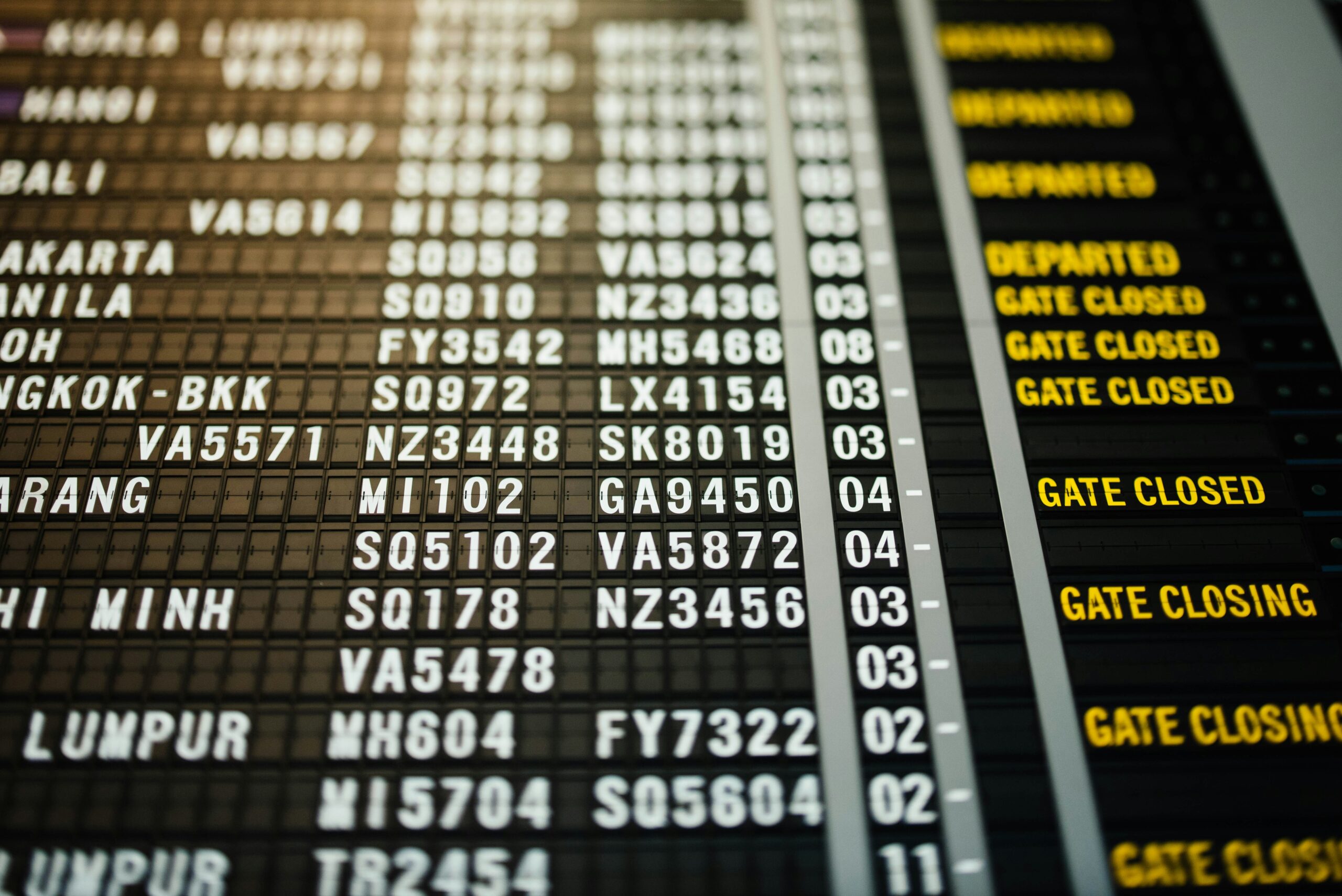
American Airlines has publicly committed to carrying 75 million customers across 750,000 flights — an average of over 8,300 flights per day across the American network alone. At absolute peak the carrier expects to operate 6,995 flights in a single day. Five departures every sixty seconds sustained across an entire operating day. Delta and United are both running record summer schedules of their own. The combined Big 3 scheduled capacity for Summer 2026 represents the largest volume of commercial air travel ever attempted in the United States.

Photo: Icarus Chu / Unsplash
Force 2: The FIFA World Cup 2026
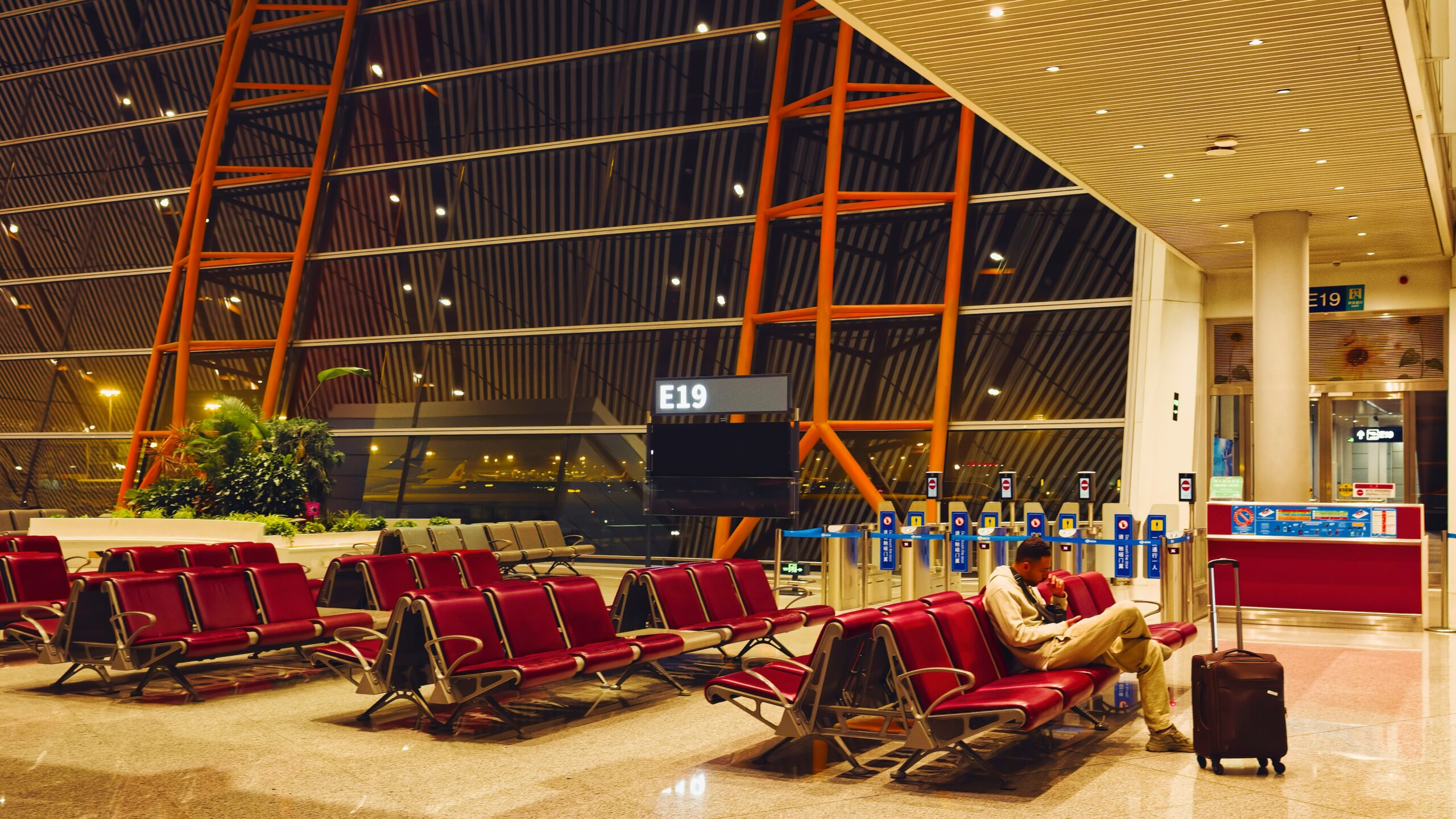
Forty-eight teams. One hundred and four matches. Sixteen host cities across the United States, Canada, and Mexico. The tournament runs June 11 through July 19, 2026 — landing the World Cup Final at MetLife Stadium in New Jersey directly in the middle of the summer peak travel window. Dallas-Fort Worth is seeing a booking spike of 42% year over year. Houston is up 38%. Atlanta is up 14% — and Atlanta is already the world’s busiest airport. The New York-New Jersey metro area faces extreme sustained pressure hosting the World Cup Final on July 19.
The World Cup Final and Northeast Corridor Pressure
Newark Liberty is the primary gateway for the Final. The FAA and NBAA have already warned that specific Traffic Management Initiatives will be deployed across the Northeast corridor in the days surrounding the Final. The Big 3 are reallocating premium network capacity to protect high-yield routes into World Cup host cities. If you are not flying a premium route to a World Cup city, your flight is statistically more exposed to delay or cancellation when the network needs to make choices.
Force 3: The FAA Staffing Crisis
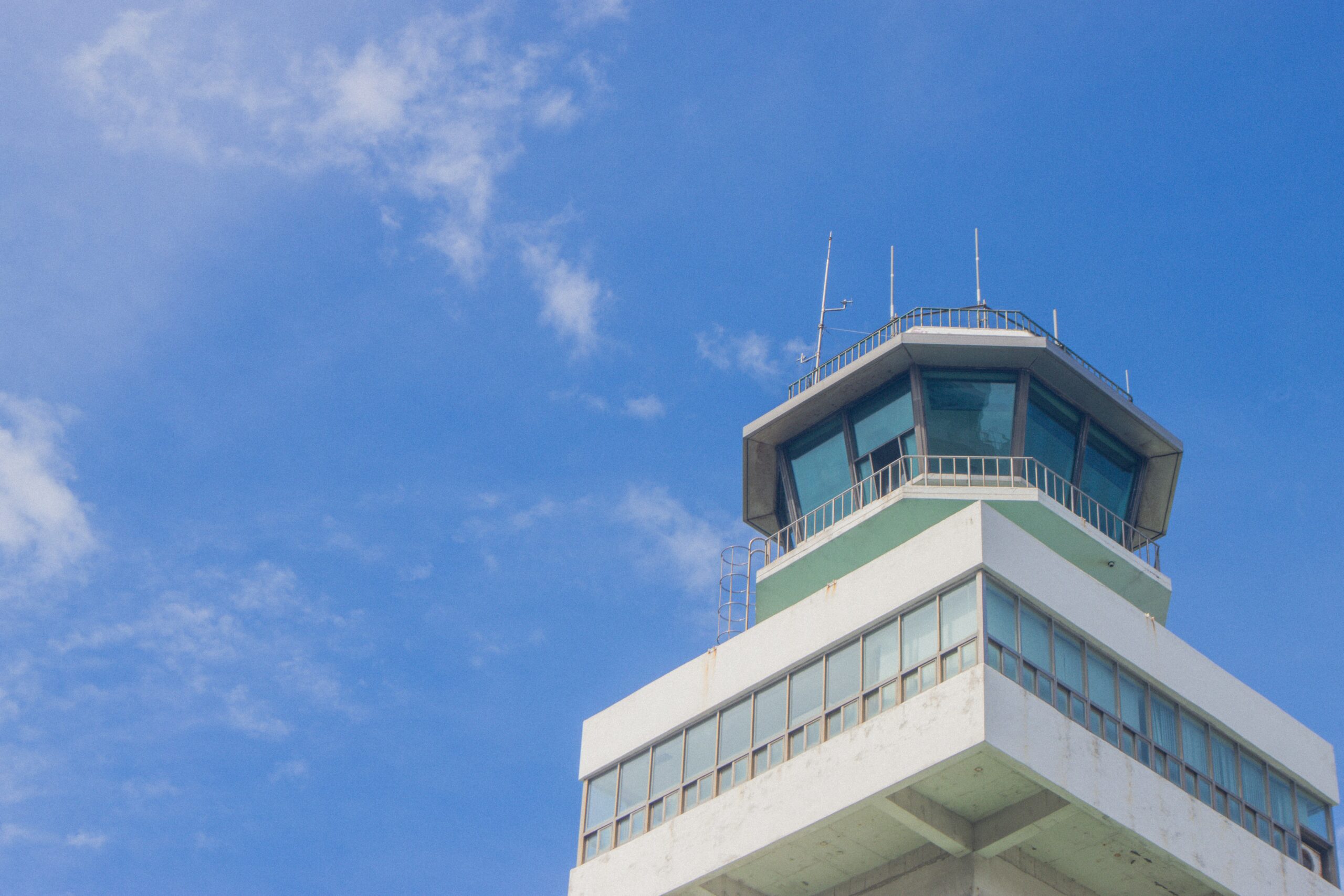
Photo: yeojin yun / Unsplash
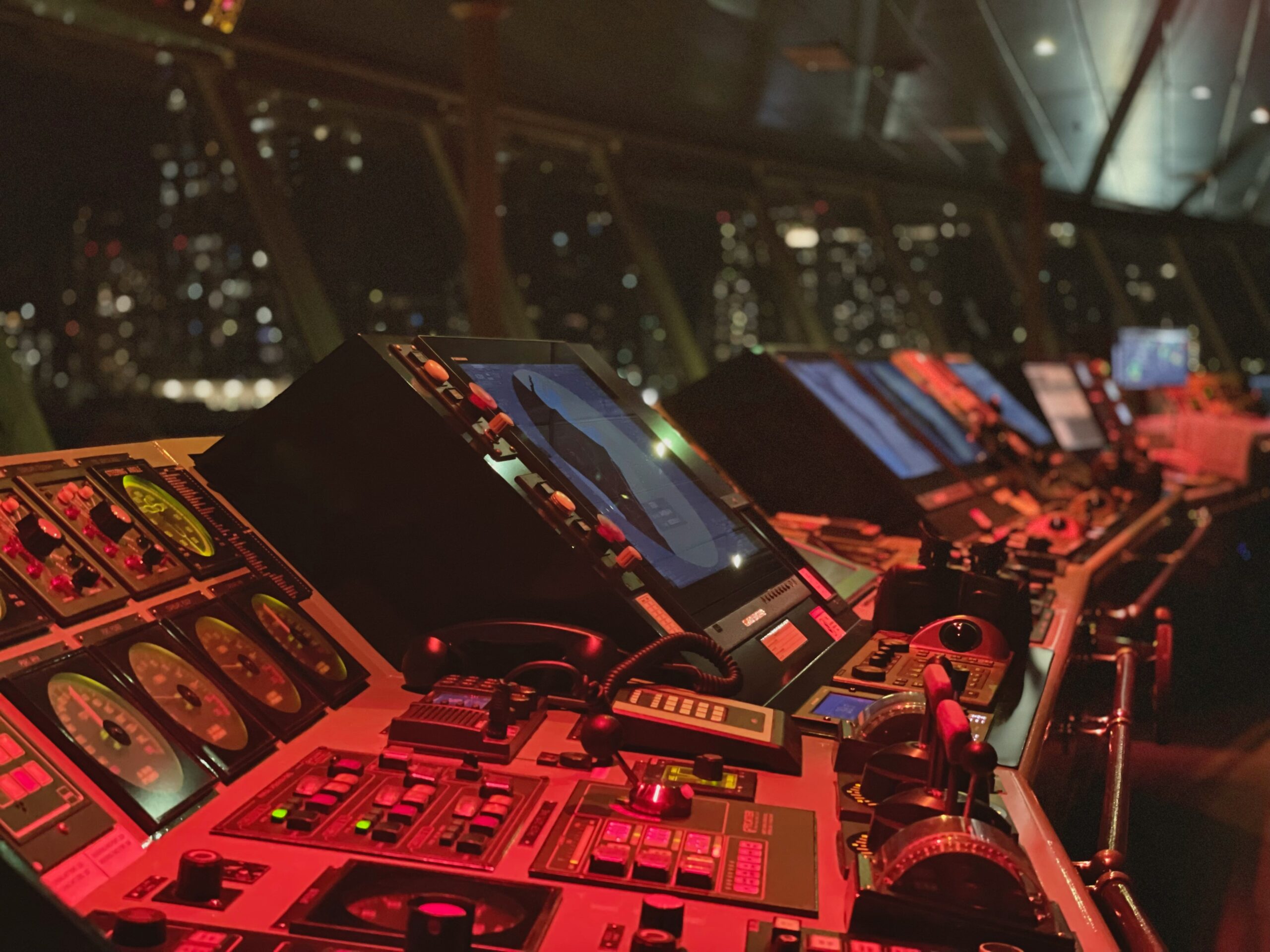
On May 15, 2026, the FAA released its new workforce plan reducing its fully-staffed controller target from 14,633 down to 12,563. Right now there are approximately 11,000 active certified professional controllers — a shortfall of over 1,500 against even the new lower target. NATCA was excluded from the modelling process entirely and has publicly pushed back. Controllers logged 2.2 million overtime hours in 2024.
What Understaffed ATC Looks Like in Practice
It starts with a Ground Delay Program. Beyond GDPs, the FAA deploys Airspace Flow Programs to manage traffic along congested corridors, Ground Stops when specific airports cannot accept arrivals, and Time-Based Metering to sequence arrivals into high-density airports. All of these Traffic Management Initiatives are expected to be deployed around World Cup host city airspace during the tournament window.
At a major hub a Ground Delay Program triggers the snowball effect. A delayed departure in Dallas creates a late arrival in Chicago. A late arrival creates a missed connection. A missed connection creates a re-booked passenger competing for a seat on the next flight which is already full. When the snowball gets large enough airlines shift into salvage mode. For a deeper explanation of how air traffic control works visit the Aviation, Decoded glossary.
The FAA has already pre-emptively capped Chicago O’Hare at 2,708 daily flights. Airlines wanted 3,080. The cap is purely a function of ATC capacity constraints under current staffing levels.
Force 4: The Spirit Airlines Liquidation
On May 2, 2026, Spirit Airlines ceased operations permanently. Spirit was the pricing anchor that forced the Big 3 to compete at the bottom of the fare ladder. The most directly affected markets are Fort Lauderdale, Orlando, and Las Vegas. The DOT stepped in with short-term rescue fares of $199 to $299. Those fares are temporary. This is the definition of an ultra-low-cost carrier vacuum, and Summer 2026 fares are already reflecting the absence.
Force 5: The Premium Promise
Delta, United, and American have all been aggressively selling premium travel experiences. Premium and status provide meaningful protection when disruption is localised. But when system-wide disruption hits at scale — a major weather event, Ground Delay Programs running simultaneously across multiple facilities, cascading hub delays — the protection premium provides becomes relative rather than absolute. A Ground Stop does not have a first class lane. An Airspace Flow Program does not prioritise by frequent flyer tier.
Which Carrier Is Best Positioned?
Photo: Devin Macdonald / Unsplash
Delta Air Lines enters the summer with the strongest product reputation and best margin structure, but is constrained by fleet scale and Atlanta’s volatile summer weather. United Airlines holds the strongest international position — the World Cup drives significant inbound traffic that plays directly to its network strengths — but its domestic network is thinner. American Airlines has the largest fleet and the most aggressive domestic schedule. Its new thirteen-bank hub structure at DFW builds operational buffer into the network — more ground time between banks creates room to absorb delays and still protect connecting passengers. If American executes what it is promising, it could emerge from Summer 2026 with the strongest competitive position. But the margin for error is thin.
What This Means for Passengers
Build more buffer time into your itineraries. Connection times that work fine in a normal summer will be marginal in a system running at maximum capacity. DFW, ATL, EWR, ORD, and LAX are the highest-pressure points this summer. If you are travelling to a World Cup host city between June 11 and July 19, book early. If you were relying on Spirit Airlines pricing in Fort Lauderdale, Orlando, or Las Vegas — that pricing environment no longer exists.
For a complete guide to your rights when flights are cancelled or delayed this summer, read: Flight Cancelled or Delayed? Your Real US Passenger Rights in 2026.
Read next: Flight Cancelled or Delayed? Your Real US Passenger Rights in 2026