The Full Flight Fallacy:
Why Airlines Go Bankrupt With Packed Planes
Spirit Airlines did not collapse because people stopped flying. Its aircraft were still full. The real failure happened deep inside the economics of modern aviation, where fuel exposure, debt payments, labor contracts, and seat-mile math can quietly destroy an airline long before passengers notice anything is wrong.
This is the financial paradox that insiders have understood for decades but rarely makes it into the headlines: a packed airplane is not proof of a healthy airline. It is often the bare minimum required to survive another quarter. Understanding why requires looking at how airlines actually make — and lose — money, and why the structure of the business makes collapse possible even when demand is strong.
The Load Factor Myth: Airline Economics Beyond Full Flights
Why do airlines go bankrupt even when flights are full? Airlines go bankrupt despite high load factors because passenger volume does not guarantee profitability. If an airline’s Revenue per Available Seat Mile (RASM) falls below its Cost per Available Seat Mile (CASM), it operates at a net loss regardless of how many seats are filled. High fixed costs create extreme pressure on margins. When unit costs outpace yields, flying packed planes merely accelerates cash burn.
- High aircraft lease obligations due regardless of occupancy
- Fuel price volatility that hits costs before fares can adjust
- Labor contracts that lock in costs even when revenue drops
- Maintenance and MRO reserves charged per flight cycle
- Airport fees, handling, and debt service on every departure
- Weak revenue per seat mile (RASM) on price-driven routes
The instinct is completely logical. You paid for a ticket. The flight is full. The airline collected money from every seat on the aircraft. Multiply that by hundreds of flights a day and it sounds like an industry printing cash.
The reality is the opposite of that picture. Revenue from ticket sales is only one side of a very complicated equation, and it is not always the winning side. Every single flight carries a cost that exists whether the plane is full or empty: the lease payment on the aircraft, the fuel burn, the crew wages, the maintenance reserve, the airport fees, the ground handling charges, the insurance, the debt service. These costs do not move with occupancy. They are fixed obligations that an airline owes before a single passenger boards.
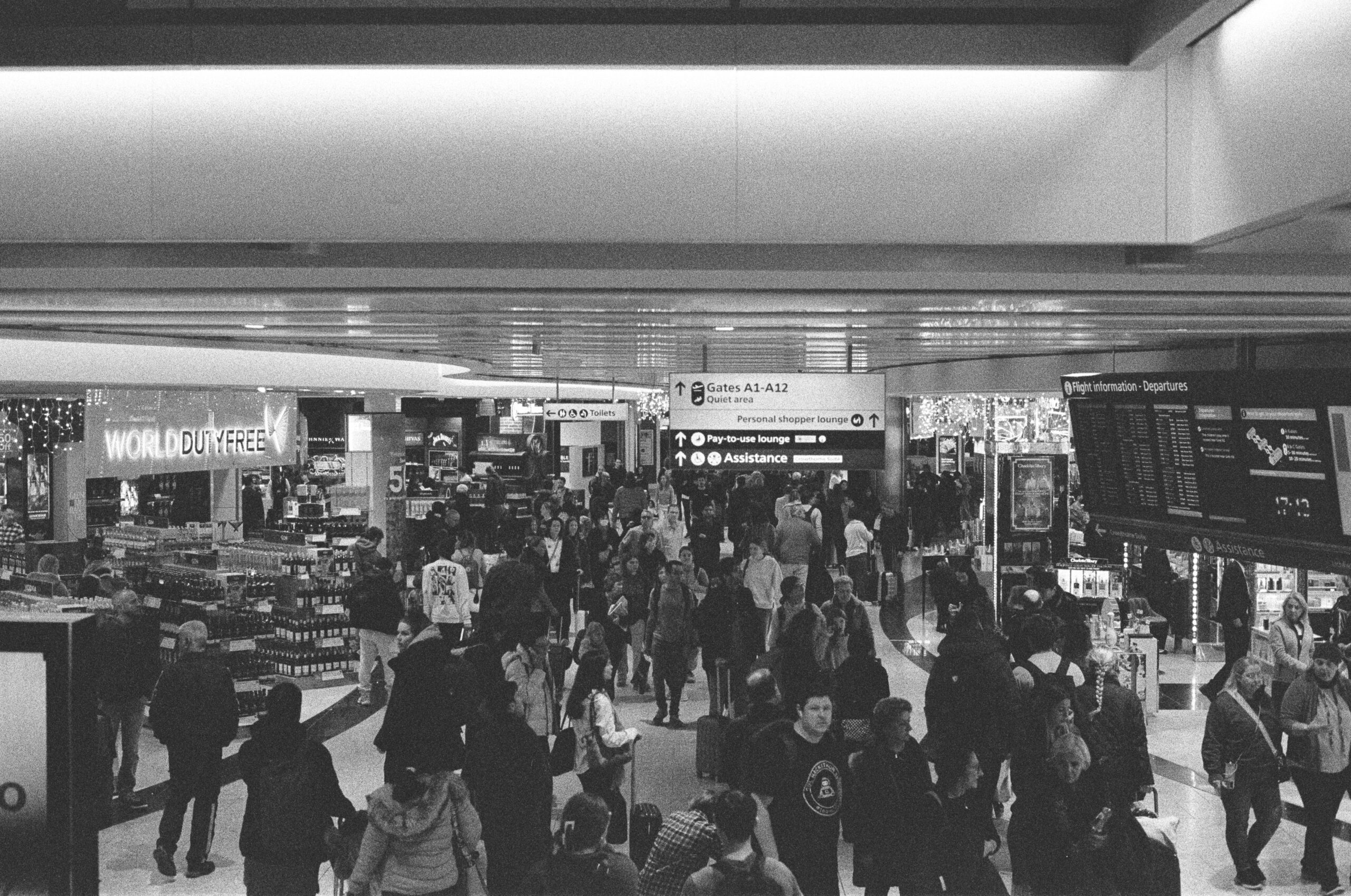
Photo: Lx1 / Unsplash
CASM vs RASM Explained: Why Airlines Lose Money on Full Planes
CASM — Cost per Available Seat Mile — measures what it costs an airline to fly one seat one mile. It captures everything: fuel, labor, maintenance, airport fees, overhead, and debt. RASM — Revenue per Available Seat Mile — measures how much revenue the airline actually generates per seat per mile flown, across all sources including tickets, bag fees, and ancillary revenue.
Survival is simple in theory: RASM must exceed CASM. When it does, the airline makes money. When it does not, the airline loses money on every mile it flies — and the fuller the planes, the faster the losses accumulate.
| Metric | Healthy Carrier | Carrier in Distress |
|---|---|---|
| Load Factor | 82% | 95% |
| Average Fare | $180 | $79 |
| RASM | 14.2¢ | 8.6¢ |
| CASM | 12.8¢ | 9.4¢ |
| Unit Margin | +1.4¢ | −0.8¢ |
| Profitability | Positive | Losing money per mile |
The margin between these two numbers in the airline industry is razor thin under normal conditions. Major network carriers often operate on net profit margins in the low single digits. Ultra-low-cost carriers, which compete almost entirely on price, operate on even tighter spreads — and have almost no buffer when costs move against them.
Fuel is the most volatile input. A sudden spike in jet fuel prices can turn a positive RASM/CASM spread into a negative one overnight. Unlike ticket prices, which take time to adjust in a competitive market, fuel costs hit immediately. Airlines that have not hedged their fuel exposure — locking in prices through financial instruments in advance — are fully exposed to every move in the oil market. Spirit, for most of its later years, carried significant unhedged fuel risk. When fuel moved, their margins collapsed.
Airline Lease Costs: Why Flying More Can Hurt Profitability
Airlines do not own most of their aircraft. They lease them — from lessors who charge a fixed monthly rate regardless of how much or how little the aircraft flies. Think of it like leasing a car: if you stop making payments, you hand the car back. But handing it back does not erase what you already owe. There are penalties, early termination fees, and sometimes continued obligations on the remaining balance.
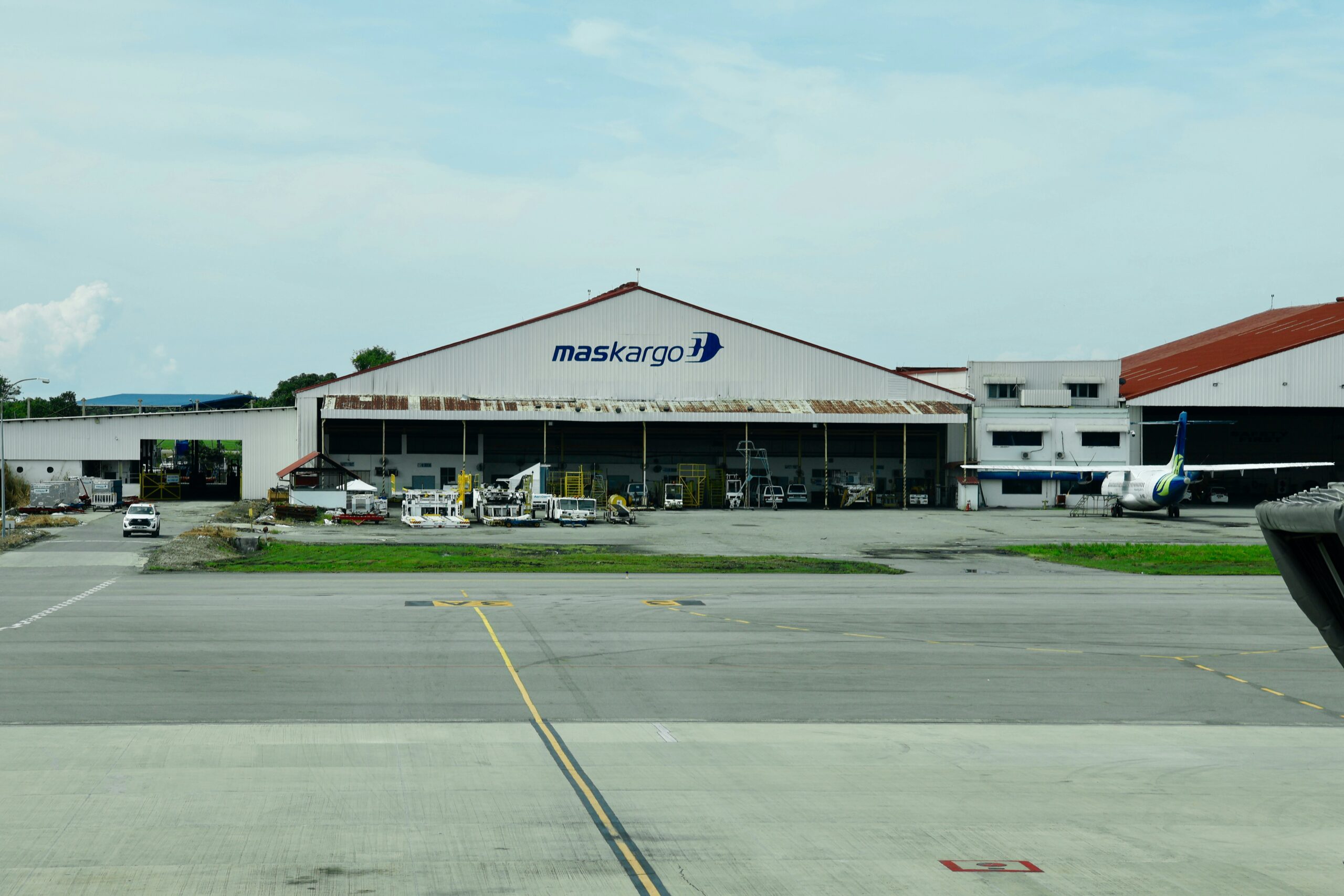
Photo: You Le / Unsplash
The theoretical solution to a lease obligation is straightforward: fly the aircraft more. More flying means more revenue to cover the fixed cost. But this logic breaks down when every additional flight also consumes more fuel, more crew hours, more MRO budget, and more airport fees. If the unit economics are already negative — if CASM is beating RASM — then flying more does not solve the problem. It accelerates the losses.
This is the trap that catches ultra-low-cost carriers especially hard. Their entire model depends on keeping fares low to drive volume. But when cost pressures rise — fuel, labor, maintenance — they have very little pricing power. Their customer base chose them specifically because they were the cheapest option. Raising fares to restore margins risks losing those passengers entirely to a competitor or simply to a different mode of transport.
Case Study: How Spirit Airlines’ CASM Outpaced Its Yields
Spirit’s failure was not a surprise to anyone who understood what the business was actually doing. The ultra-low-cost carrier model — stripped back service, heavy ancillary fees, high-density seating, point-to-point routes — was built on a specific assumption: that low fares would generate enough volume to make the per-seat economics work even at razor-thin margins.
The problem was that Spirit was operating with a legacy carrier cost structure in some areas while charging ultra-low-cost fares. Labor costs, particularly after pandemic-era contract negotiations, moved significantly higher across the industry. Pilot wages at Spirit increased substantially, and those costs do not compress when ticket prices stay low. The gap between what Spirit collected per seat and what it cost to operate that seat narrowed dangerously, then turned negative.
The load factor stayed high. Passengers kept booking. But the revenue those passengers generated was not enough to cover what it cost to carry them. Spirit was flying full planes at a loss. Every departure was consuming cash rather than generating it. A legacy carrier model dressed in ultra-low-cost fares is not a business model — as the collapse proved, it is a countdown.
What Makes an Airline Financially Healthy
The carriers that consistently survive — and occasionally thrive — share a set of characteristics that have nothing to do with how full their flights are. They start with margin: the ability to charge a fare that genuinely covers the cost of the seat plus a buffer. That requires either premium product, a network monopoly on certain routes, or a cost structure so lean that even low fares generate positive unit economics.
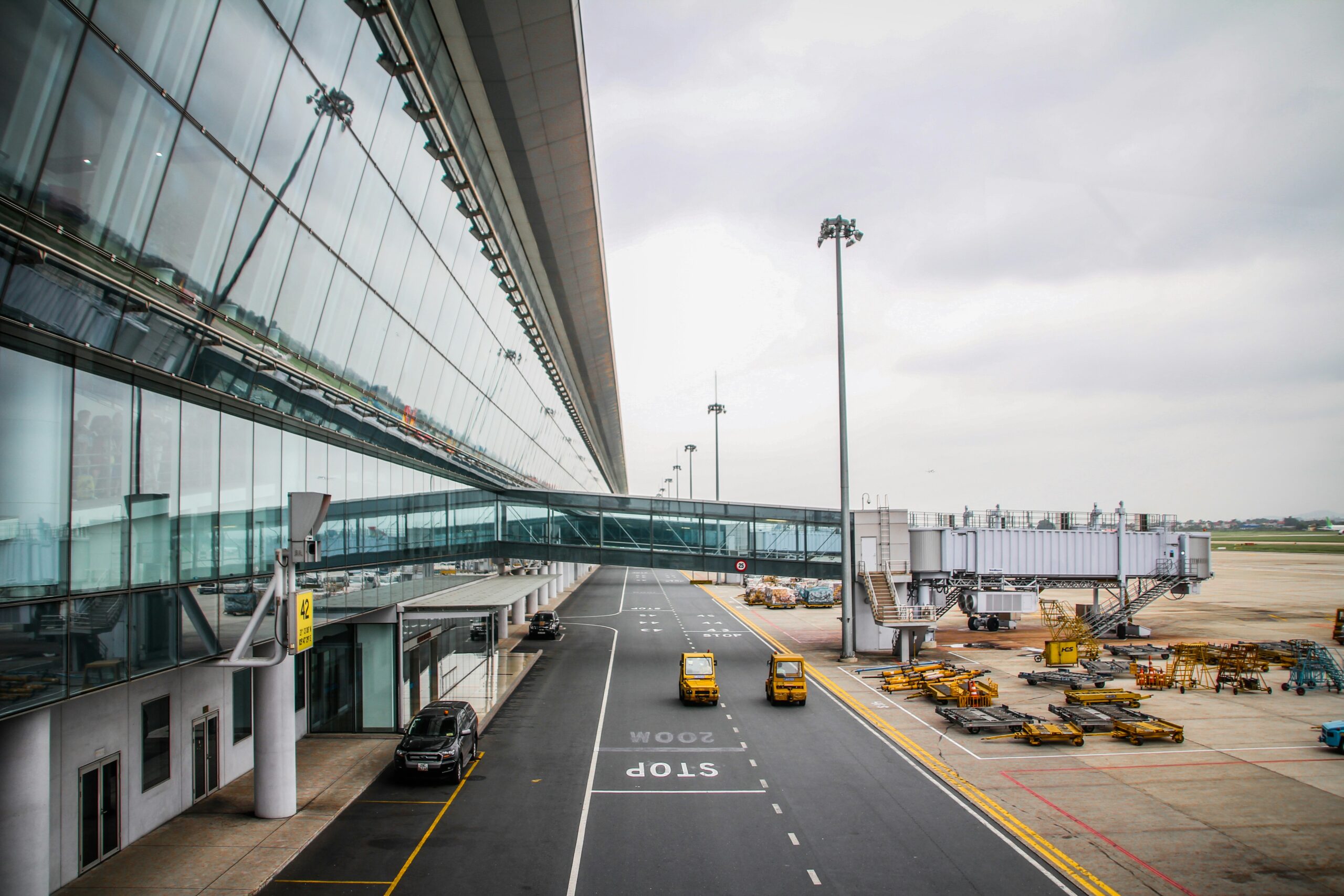
Photo: T.H. Chia / Unsplash
The second element is revenue diversification. The most financially resilient airlines in the world generate significant income from sources that have nothing to do with flying passengers. Co-branded credit card programs — where a bank pays the airline for miles to give to cardholders — generate billions of dollars annually for carriers like American, Delta, and United. This income is high margin, predictable, and completely immune to fuel prices and load factor. Delta’s SkyMiles program is, by some estimates, worth more than the airline itself. That is not a coincidence. It is the financial backbone that allows the airline to absorb operational shocks that would destroy a carrier without that cushion.
Yield management — the science of pricing seats dynamically to extract maximum revenue from every flight — is the third pillar. Airlines that do this well are not just filling seats. They are filling seats at the right price at the right time, optimising RASM continuously rather than simply chasing volume. A flight that departs 85% full but with a strong average fare can generate more profit than a flight that departs 98% full with heavily discounted seats.
Finally, the survivors maintain discipline on capacity. They do not fly routes simply because they can. Hub and spoke networks are managed to protect high-margin connections. Stage length is calibrated to aircraft type. When a route stops making economic sense, it gets cut — regardless of what the load factor looks like.
Why the Airline Industry Is Structurally Fragile
Aviation is an industry that has destroyed more capital than almost any other over its history. Warren Buffett famously joked that a far-sighted capitalist should have shot down the Wright Brothers’ plane at Kitty Hawk — a reference to how poorly airline investors have fared over the long run. The structural reasons are not a mystery.
The business requires massive upfront capital — aircraft, infrastructure, route authorities — with returns that take years to materialize. It operates in a market that is structurally competitive because seats are a commodity and passengers, by and large, will choose the cheapest available option for a given route. Labor costs are high, unionized, and largely non-negotiable once contracts are signed. Fuel costs are unpredictable and largely uncontrollable. And the entire operation is exposed to events — pandemics, geopolitical disruptions, recessions — that can eliminate demand overnight.
In this environment, a full plane is not a signal that an airline is healthy. It is a signal that people want to travel. Whether the airline is capturing enough value from that demand to survive is a completely separate question — one that gets answered not at the gate, but deep inside the cost accounting that most passengers never see.
The next time you board a completely full flight and assume the airline is having a great day, remember Spirit. The planes were full right up until they were not flying at all.
Frequently Asked Questions
Why do airlines go bankrupt even when flights are full?
Because load factor — the percentage of seats filled — does not equal profitability. Airlines must generate more revenue per seat mile (RASM) than it costs to operate that seat mile (CASM). When fixed costs like leases, labor, fuel, and debt outpace ticket revenue, full planes still lose money on every departure.
What is CASM in aviation?
CASM stands for Cost per Available Seat Mile. It measures the total operating cost of flying one seat one mile, including fuel, crew, maintenance, airport fees, and overhead. It is the primary cost metric used to evaluate airline financial efficiency.
What is RASM in aviation?
RASM stands for Revenue per Available Seat Mile. It measures all revenue an airline generates per seat per mile flown, including ticket sales, bag fees, and ancillary charges. When RASM exceeds CASM, an airline is profitable. When it does not, the airline loses money on every mile flown.
Why are airline profit margins so thin?
Airlines face a combination of high fixed costs, intense price competition, volatile fuel prices, and heavy capital requirements. Because seats are treated as a commodity by most passengers, pricing power is limited. The result is an industry that frequently earns single-digit net profit margins even in its best years.
Can airlines lose money on sold-out flights?
Yes. If the average fare on a sold-out flight is below the cost of operating that flight — accounting for fuel, crew, lease payments, airport fees, and maintenance — the airline loses money on every seat sold. This is precisely what happened at Spirit Airlines before its collapse: high load factors, negative unit margins.
Further Reading
For more on how airlines price seats and protect revenue, see our explainer on yield management and the role of ancillary revenue in the modern airline business model. For context on the Spirit collapse and what it means for airfare going forward, read: Why Are Flights So Expensive? Spirit’s Collapse and the End of Cheap Airfare.
Recommended reading: Flying Blind by Peter Robison — what happens when airline cost pressure overrides operational judgment. And Hard Landing by Thomas Petzinger Jr. — the definitive insider account of the industry’s financial wars.