Air Cargo Fleet Crisis:
Why Freight Is Running Out of Planes
The global air cargo industry moves pharmaceuticals, electronics, fast fashion, and e-commerce shipments across every ocean and continent, every single day. It is invisible infrastructure — most people never think about it until it stops working. And right now, the fleet of aircraft that powers it is heading toward a replacement crisis that the industry has no clean answer for.
The old jets are ageing out. The new ones are not ready. And the gap between those two facts is real, measurable, and already in motion.
Air Cargo Fleet Crisis — Key Facts
• 767F production ends December 2027
• 747F fleet ageing rapidly with no nose-loading successor
• 777-8F delayed until at least 2028 — uncertified
• A350F certification still pending — limited initial volumes
• Atlas Air ordered 20 Airbus A350Fs — breaking decades of Boeing loyalty
• Passenger-to-freighter conversions cannot fully replace purpose-built large freighters
The Ageing 747 Freighter: The Capability Nobody Can Replace
Most coverage of the dedicated freighter crisis focuses on the Boeing 767F production shutdown and delays to the 777-8F. Those are real issues. But the aircraft that cargo operators are most anxious about losing is the 747 freighter — and the reason goes beyond age.
The 747F has a nose door. That front-loading capability is not a cosmetic feature. It is a fundamental operational advantage that no other large cargo aircraft in production can replicate. Outsized cargo — military vehicles, industrial equipment, large aerospace components, livestock — loads straight through the nose. The geometry allows items that physically cannot be loaded through a side door to be carried at all.
Neither the Boeing 777 freighter nor the Airbus A350F has a nose door. Neither can be retrofitted with one. When the 747F fleet ages out — and it is ageing badly, with many airframes now carrying significant structural fatigue — that capability disappears entirely from the market. There is no successor programme. No manufacturer is building a nose-loading replacement. The 747F is genuinely irreplaceable in that specific operational role, and the industry has no answer for it.
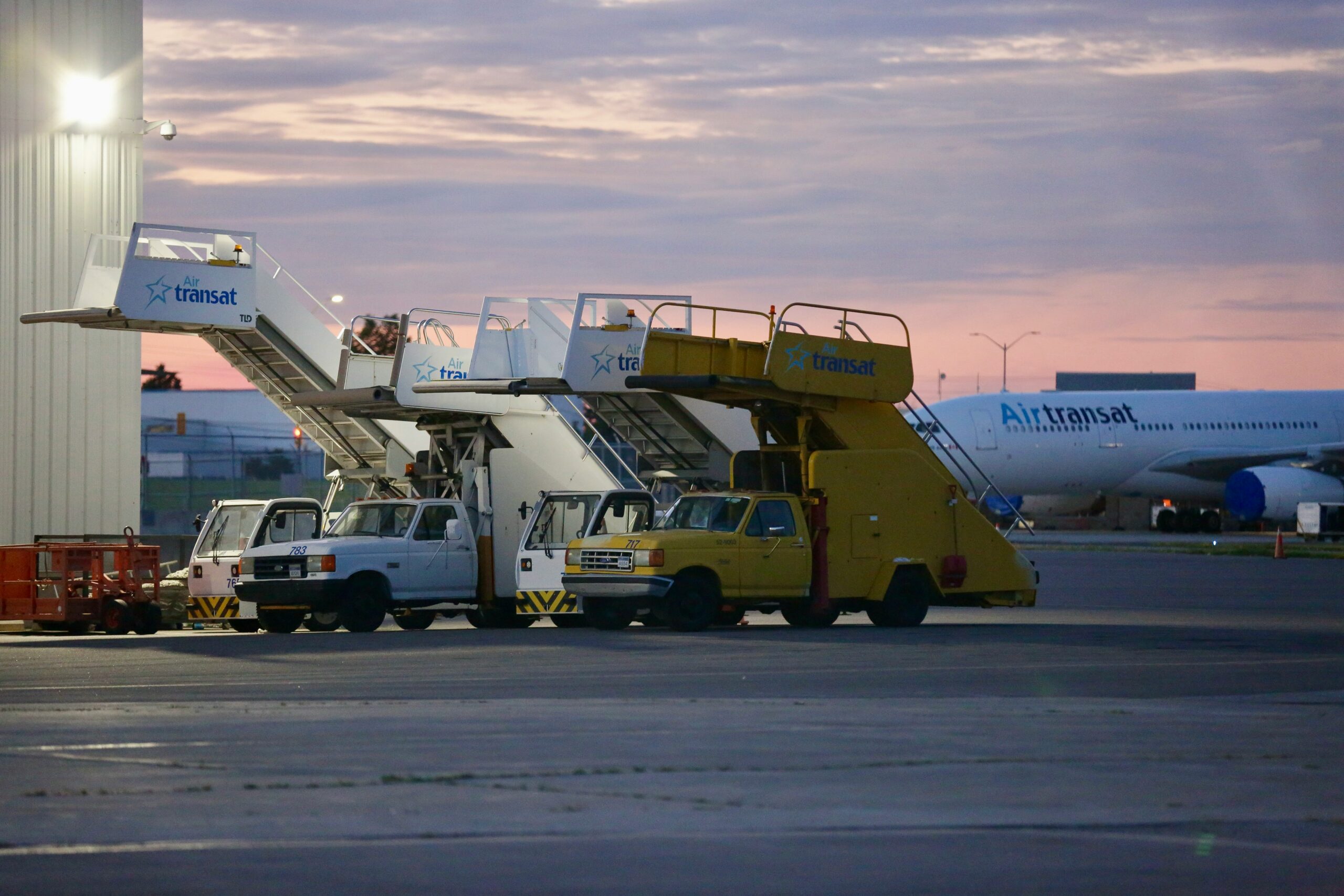
Photo: Michael / Unsplash
Why Passenger-to-Freighter Conversions Cannot Bridge the Gap
When people point to passenger-to-freighter conversions as the bridge solution, they are describing a real but limited tool. The conversion market is active and growing — Boeing forecasts 1,840 conversions as part of the 2,845 total freighter deliveries needed by 2043. But conversions carry significant operational compromises that purpose-built freighters do not.
A purpose-built freighter is engineered from the ground up for cargo operations. It flies nonstop at maximum payload. A converted passenger aircraft operates under the structural and aerodynamic constraints of its original design. An operator running a converted widebody on a long-haul transpacific route faces a choice: reduce payload to make the range, or carry full payload with a technical stop. Either option degrades the economics versus a purpose-built aircraft.
For 747 conversions, the structural constraint is definitive. You cannot retrofit a nose door. The nose section of a passenger 747 is not engineered to be opened as a cargo door — the modification would compromise the primary fuselage structure. So a converted 747 becomes a side-loading freighter, losing the single most valuable operational feature of the purpose-built 747F.
By the time a passenger aircraft is old enough to make conversion economics work, it has typically accumulated significant cycles and airframe hours. Life-limited parts are approaching their mandatory replacement thresholds. Continuing to operate it as a freighter means carrying that maintenance liability forward. The aircraft that look cheap to convert are often the most expensive to keep flying.
The Engine Bottleneck: New Freighters Sitting Without Engines
Walk past the delivery lots at Boeing’s Everett facility or Airbus in Toulouse right now and you will see something that should not be possible. Complete airframes. Structurally finished. Painted. Parked on remote tarmac areas without engines.
The bottleneck is not steel or aluminium. It is the high-pressure turbine blades inside the engines. The casting and forging process requires metallurgical precision at temperatures close to the melting point of the alloy itself. That specialised manufacturing capacity cannot simply be scaled up quickly. Complete, deliverable airframes sit engineless for months while operators wait.
This connects to a broader pattern of supply chain failures — most visibly documented in the Unapproved Aircraft Parts: Inside the AOG Technics Scandal. The engine overhaul bottleneck is a different failure mode but the same underlying theme: the support infrastructure for aviation was not built for the volume and pace the market now demands.
Airlines keeping old aircraft flying longer than planned are on an increasingly expensive heavy maintenance treadmill. Every additional year on a 25-year-old 747F or 767F is a year of rising MRO costs, unscheduled groundings, and declining dispatch reliability.
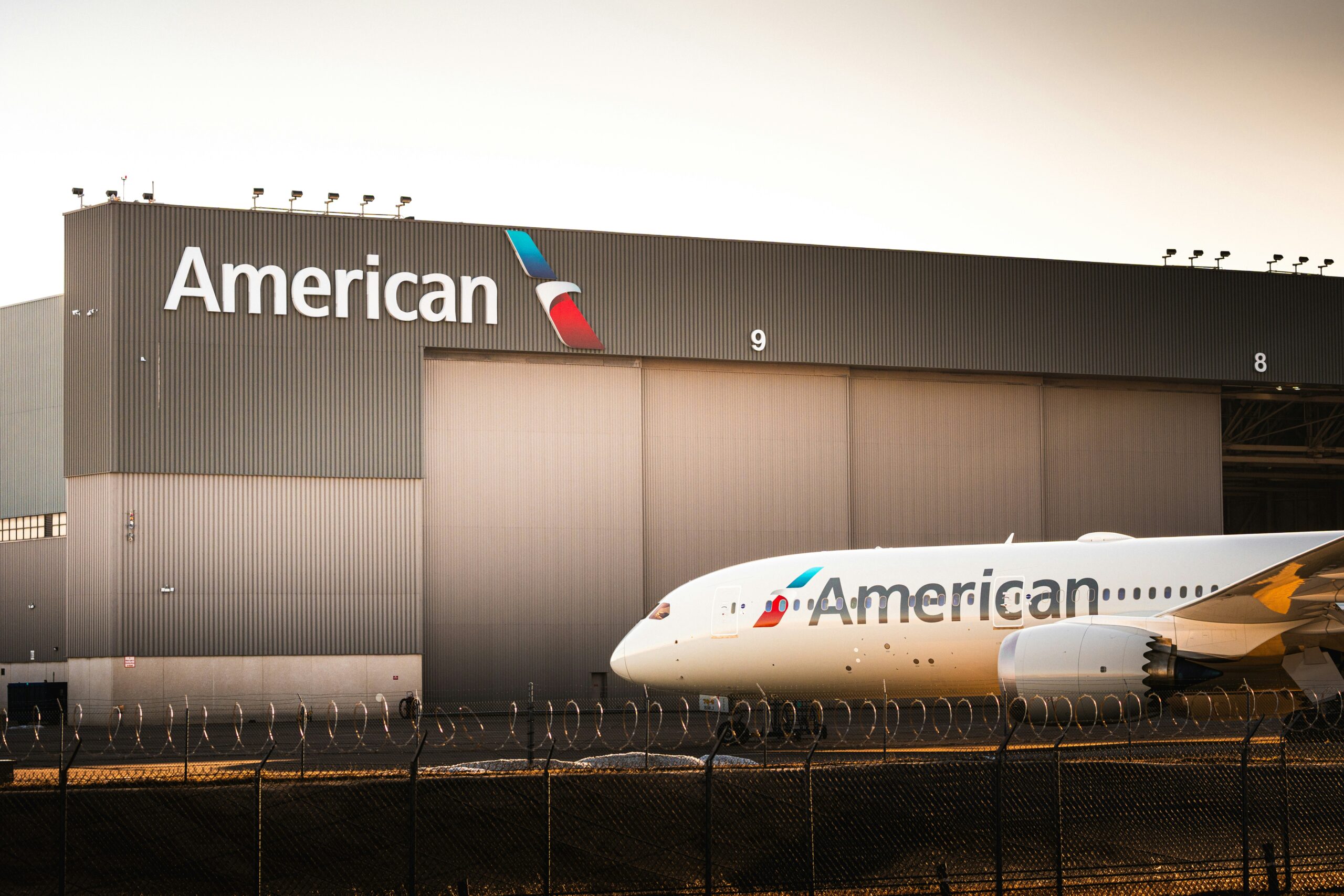
Photo: Hieu / Unsplash
Why Atlas Air Defected to Airbus
In early 2026, Atlas Air — one of the world’s largest cargo operators and, for decades, an all-Boeing customer — placed a firm order for 20 Airbus A350 freighters. For those who track the cargo industry, this was a significant signal.
Atlas Air’s fleet has historically been built around Boeing widebodies. The 747F, the 767F, the 777F — all Boeing. The decision to commit to Airbus reflects what every cargo operator is doing right now: running the numbers on what is actually available, when it will be delivered, and what the operating economics look like on the routes that matter.
Airbus has an outstanding track record on the passenger side. On the dedicated freighter side, their history is much shorter. The A350F is a new programme, largely unproven at operational scale. First deliveries are targeted for late 2027 with limited initial volumes.
Boeing’s order backlog and delivery constraints — examined in Boeing China Deal 2026: Why the Stock Fell After the Announcement — make the competitive window for Airbus genuinely real. The Atlas defection is not sentiment. It is a production schedule calculation.
The ICAO Emissions Deadline: The Clock Nobody Can Stop
ICAO emissions standards for new aircraft deliveries tighten significantly from 2028. The Boeing 767F and current-generation 777F do not meet those standards for new international operations after that date. ICAO has no exemption mechanism — the standard applies at delivery, not at service entry.
Boeing has already requested an FAA exemption for the 777F — seeking approval to continue delivering additional units past the emissions deadline. That request is a statement about where the 777-8F programme actually stands. If the replacement were on track for timely type certification, there would be no need to keep the old programme alive.
The FAA is simultaneously managing pressure across multiple fronts — from the FAA Air Traffic Supercenter consolidation risk to controller staffing shortfalls — making the regulatory environment for any exemption request more complex than it might appear.
The Scale of What Is Needed
Boeing’s own 20-year cargo forecast projects 2,845 freighter deliveries needed globally by 2043. That figure includes 1,005 production freighters and 1,840 conversions. Airbus projects 2,605 additional freighters required by 2044, split across small, mid-size, and large widebody categories.
The global dedicated freighter fleet was approximately 2,340 aircraft in 2023. IATA reported 2025 global air cargo demand up 3.4%, with yields still running approximately 37% above 2019 levels. Demand is not the problem. The problem is supply.
Photo: UZ Creative Services / Unsplash
How the Crisis Reaches Consumers and Supply Chains
Every major e-commerce platform depends on air cargo for urgent, high-value, or time-sensitive shipments. The transpacific lanes that connect manufacturing in Asia to consumers in North America and Europe carry billions of dollars of goods expected within days of ordering. This is the belly cargo and dedicated freighter network most consumers never see.
When air cargo capacity tightens, spot freight rates rise. That cost eventually reaches the consumer — in higher prices, longer delivery windows, or both. The aviation system under maximum pressure examined in Summer 2026: Can the US Aviation System Handle the Strain? is the passenger side of the same structural story. On the cargo side, the pressure is building more slowly but just as inevitably.
How Operators Are Responding — And Why It Is Not Enough
Cargo operators are running a combination of strategies: extending the lives of existing freighters through heavy maintenance programmes; acquiring passenger-to-freighter conversions to add mid-size lift; placing firm orders with both Boeing and Airbus to hedge against programme risk; and lobbying for regulatory flexibility to keep current-generation programmes producing longer.
None of these strategies resolves the fundamental gap. The nose door capability that retires with the ageing 747F fleet does not come back. The purpose-built freighter economics that conversions cannot fully replicate remain a competitive disadvantage on demanding routes. The replacement programmes that should be filling the gap are running years behind the retirement schedule they were designed to meet.
The air cargo replacement crisis is not a future problem. It is a present one, playing out in maintenance budgets, exemption requests, and order backlogs right now. For context on how airlines manage fleet economics under pressure, read Why Airlines Go Bankrupt With Full Flights.
