Category: Ops & Safety

Airline operations, safety investigations, and regulatory analysis

  • The FAA Wants One Giant Air Traffic Supercenter — Here’s the Risk Nobody Is Discussing

    The FAA Wants One Giant Air Traffic Supercenter — Here’s the Risk Nobody Is Discussing

    Ops & Safety

    The FAA Wants One Giant Air Traffic Supercenter — Here’s the Risk Nobody Is Discussing

    For decades, America’s air traffic system was intentionally decentralised. If one centre went down, others could absorb the damage. The redundancy was not an accident — it was the design. Now the FAA is reportedly planning to spend $1.9 billion to consolidate multiple major en-route air traffic control centres into a single Texas-based “Supercenter,” creating the exact kind of single-point failure that modern infrastructure engineers spend careers trying to avoid.

    This is not a budget story. It is not a real estate story. It is an airspace resilience story — and the flying public has almost no idea it is happening.
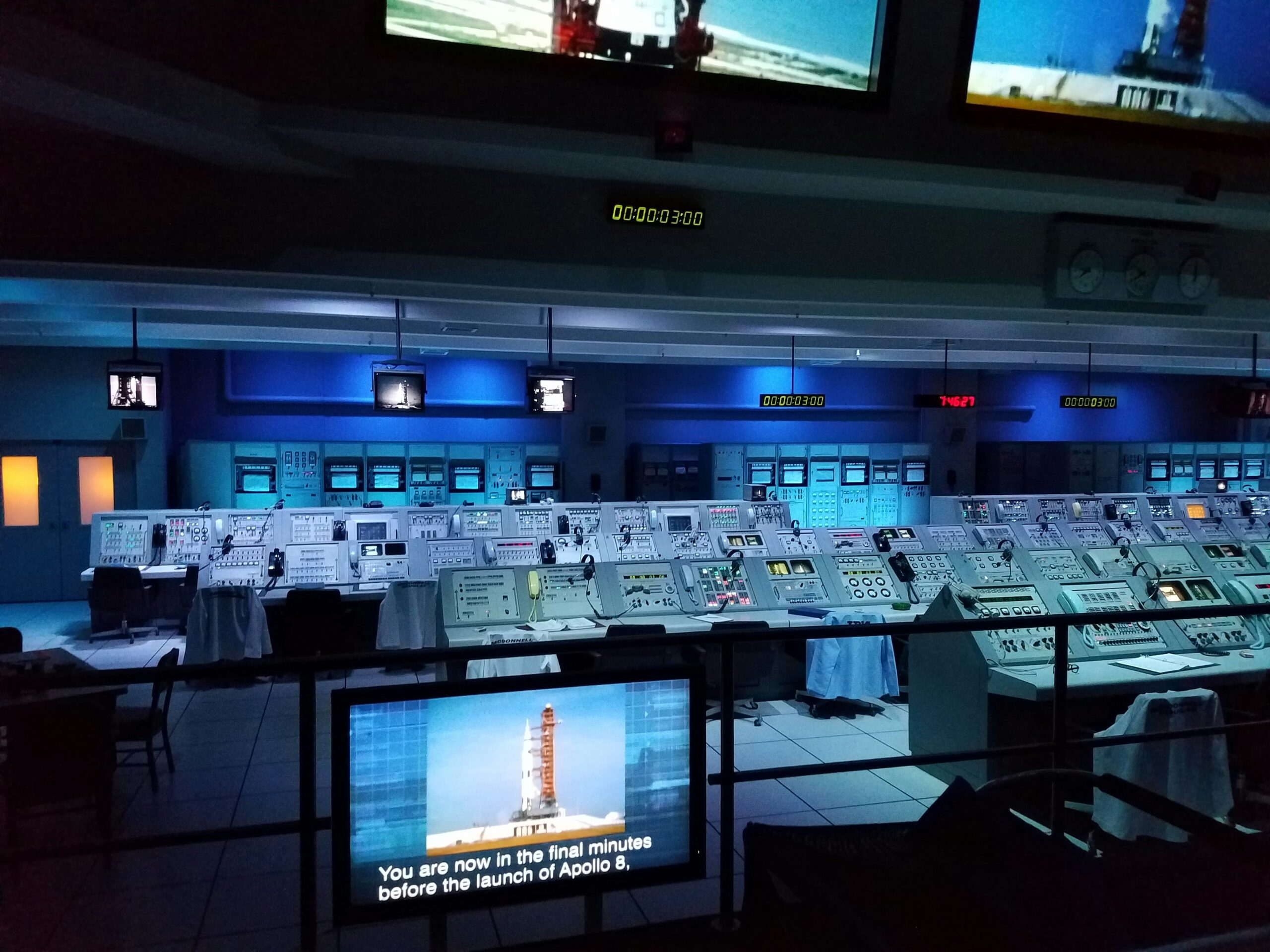
    Air traffic controllers monitoring radar screens inside an FAA en route control center

    Photo: Ana Garnica / Unsplash

    What the FAA Is Actually Planning

    The proposal centres on a massive commercial facility being scouted in the Dallas, Texas area. The intent is to consolidate the work of multiple Air Route Traffic Control Centres — the facilities responsible for managing aircraft in cruise flight, between airports, across hundreds of miles of airspace — into a single location.

    ARTCCs are the backbone of the national airspace system. They are not tower facilities managing takeoffs and landings. They manage the en-route phase of flight: the long stretches between departure and arrival where aircraft are cruising at altitude, separated by miles of structured spacing, handed off between sectors as they cross the country. The United States currently operates 22 of these centres, each covering a defined geographic region of airspace. They run continuously, around the clock, every day of the year.

    The Supercenter concept would reduce that number. How many centres would be absorbed is not yet confirmed publicly — but the implications of even partial consolidation are significant enough to warrant serious scrutiny.

    How En-Route ATC Actually Works — And Why Redundancy Matters

    To understand the risk, you need to understand what these facilities actually do under pressure.

    Each ARTCC is divided into sectors. A sector is a defined block of airspace — a geographic area combined with an altitude band — that one or two controllers manage at any given time. Traffic levels determine how many sectors are active. During peak hours, a busy centre might open dozens of sectors simultaneously, each staffed and active. During quiet overnight periods, sectors are combined and managed by fewer controllers.

    When a facility experiences a problem — a power disruption, a systems failure, a severe weather event forcing an evacuation — the response is not chaotic. It is procedural. Neighbouring ARTCCs absorb responsibility for the affected airspace. Traffic through the impacted region is reduced through flow control: aircraft on the ground hold at their departure airports, arrival rates at downstream airports are capped, and the overall volume of flights transiting the affected area drops to match what the absorbing facilities can safely handle.

    This system works because the load is distributed. Neighbouring centres exist precisely to catch each other. The geographic separation between facilities means that a localised problem — a storm, a grid failure, a cyberattack — affects one centre, not the whole network.

    A Supercenter changes that calculus entirely.

    The Single-Point-of-Failure Problem

    Consolidating multiple ARTCCs into one building does not eliminate the airspace those centres manage. The airspace stays the same size. The traffic volumes stay the same. What changes is where the humans and systems controlling that airspace are physically located.

    If the Supercenter goes offline — for any reason — the volume of airspace that instantly becomes unmanaged is vastly larger than any single current facility failure would produce. Neighbouring facilities would face an absorption task that dwarfs anything the current distributed system was designed to handle.

    The practical result: significant portions of US airspace would close, or be reduced to trickle-level traffic, until the Supercenter came back online or absorbing facilities could be reconfigured. In aviation terms, that means ground stops, flow control programmes, and cascading delays across every hub and route that transits the affected airspace.

    This is not a hypothetical. Flow control triggered by a single underperforming sector at a single ARTCC already causes delay chains that ripple across the national airspace system. A full Supercenter outage would not be a ripple. It would be a wave.

    The ongoing FAA controller staffing shortage makes this risk even harder to absorb — because a Supercenter model concentrates the consequences of any workforce failure into a single location.

    Dallas Texas skyline near proposed FAA air traffic supercenter location

    Photo: R K / Unsplash

    The Dallas Location and the “All Eggs in One Basket” Problem

    The choice of Dallas as a scouting location raises its own questions, and not just the obvious ones about Texas weather.

    Concentrating this volume of national airspace infrastructure in a single geographic location creates dependencies that did not previously exist. Power grid reliability. Network connectivity. Physical security. Severe weather exposure — Dallas sits in a region with significant convective weather activity, including tornadoes and severe thunderstorms. These are not exotic risk scenarios. They are routine considerations for any critical infrastructure project.

    The counterargument is that modern facility design includes redundant power, redundant communications, and hardened systems. Those mitigations are real. But redundancy within a single building is a fundamentally different proposition than redundancy across multiple geographically separated facilities. The former protects against equipment failure. The latter protects against location failure. They are not the same thing.

    Building resilience into one structure is engineering. Distributing resilience across geography is architecture. The current ARTCC system is architectural resilience. A Supercenter trades that architecture for efficiency — and the trade-off deserves far more public scrutiny than it is currently receiving. With Summer 2026 aviation system strain already at record levels, the timing of this infrastructure gamble could not be more consequential.

    The Workforce Precedent Nobody Wants to Revisit

    This is not the first time the FAA has floated a major ATC consolidation strategy.

    A previous attempt at consolidating facilities in the Northeast encountered serious resistance. The facility certification problem was at the core of it: air traffic controllers are not generalist employees. A controller certified at one ARTCC cannot simply relocate to a new Supercenter and resume work. Recertification takes time, training, and simulator hours. Controllers who cannot or will not relocate are either retrained at significant cost or lost from the workforce entirely.

    The Northeast experience reportedly resulted in a combination of forced relocations and separations. In a system already running on overtime to cover a staffing shortfall measured in the thousands, losing experienced certified controllers to a consolidation transition is not an administrative inconvenience. It is an operational risk that compounds every other vulnerability the Supercenter creates.

    The irony is sharp: a plan designed to make the system more efficient could, in the transition period alone, make the FAA controller staffing shortage measurably worse.

    What Happens When It Goes Wrong

    If the Supercenter experiences a significant outage — systems failure, cyberattack, severe weather forcing evacuation, power loss beyond backup capacity — the immediate response is airspace closure or transfer to neighbouring facilities. Flights transiting the affected airspace are held. Departure clearances freeze. Arrival rates at airports inside or downstream of the affected region drop to match what the absorbing system can handle.

    Ground stops are issued. Traffic Management Initiatives activate. Ground Delay Programs stack up. Gate holds extend. Passengers sit.

    The duration of that disruption depends entirely on how quickly the Supercenter can be restored or how effectively neighbouring centres can absorb a workload that was never designed to be theirs. In the current distributed system, a single ARTCC failure is serious but manageable. In a Supercenter model, the equivalent failure is categorically larger — and the absorbing capacity of the remaining network is proportionally smaller, because fewer centres exist.
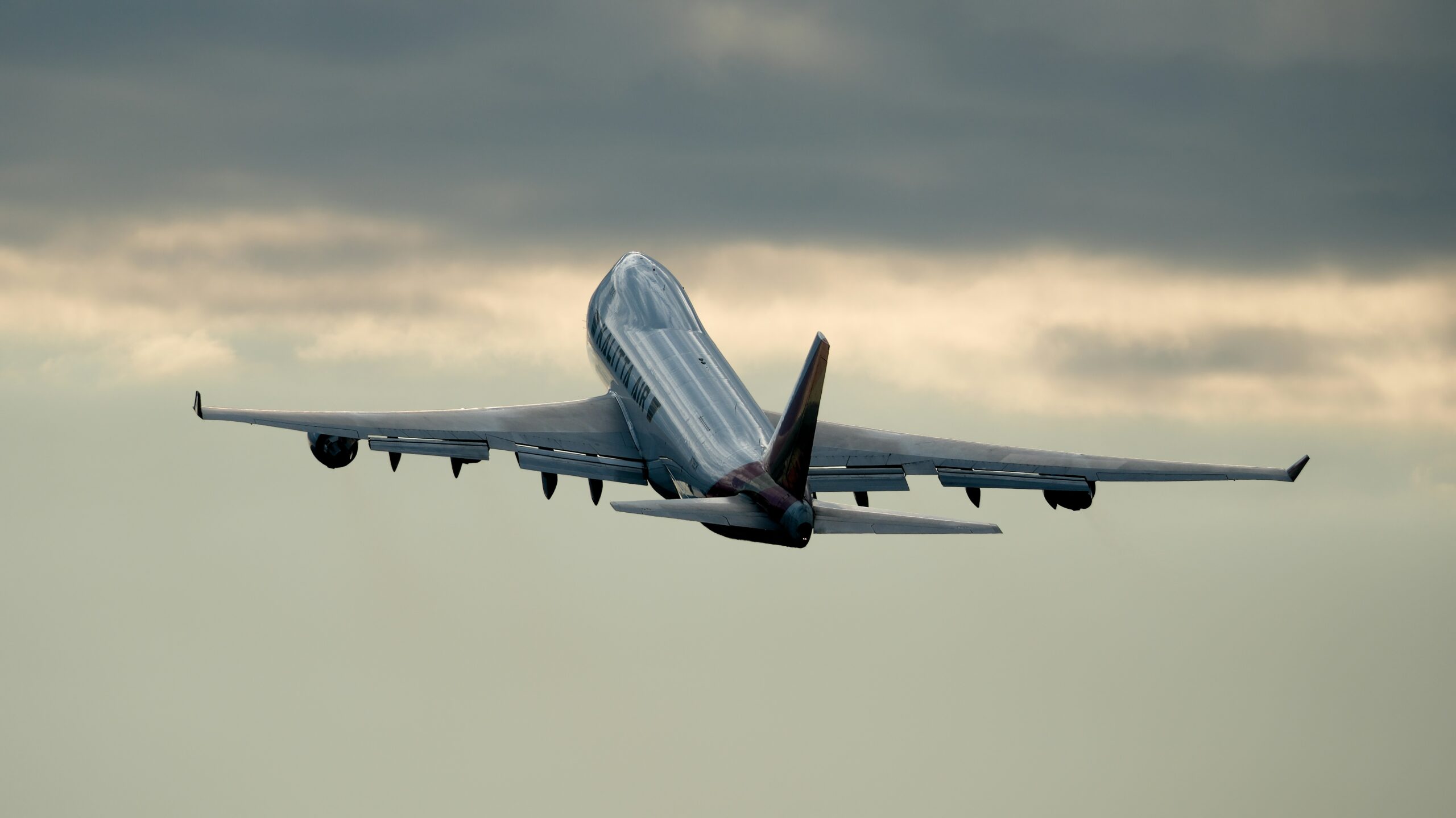
    US air traffic radar display showing aircraft routing and controlled airspace sectors

    Photo: Sevcan Alkan / Unsplash

    The Efficiency Argument — And Why It Is Not Wrong, Just Incomplete

    It is worth being fair to the other side of this.

    Consolidating ATC infrastructure does offer real advantages. Unified technology platforms are easier to upgrade and maintain than dozens of independent systems running on different cycles. Centralised training programmes are more efficient. Long-term facility maintenance costs across 22 separate buildings are genuinely significant. The FAA’s infrastructure is ageing, and the capital cost of upgrading every existing centre individually is not trivial.

    The argument for consolidation is not irrational. The problem is that efficiency and resilience are in direct tension here, and the public case for this plan has been made almost entirely on efficiency grounds — without a credible, transparent assessment of what the resilience trade-off actually looks like at scale.

    That is the gap. Not whether centralisation has merit. But whether a $1.9 billion commitment to a single-facility model has been stress-tested against the failure scenarios it creates — and whether those scenarios have been honestly disclosed to the people who fly through that airspace every day. The higher airfare pressure across the system already has passengers paying more for less resilience. A Supercenter outage scenario would add operational chaos to an already strained consumer experience.

    What Needs to Happen Before This Moves Forward

    At minimum, three things should be publicly established before this plan advances:

    First, a full independent resilience assessment — not an internal FAA study, but an independent evaluation of what a Supercenter outage looks like at various scales, and what absorbing capacity the remaining network retains.

    Second, a transparent workforce transition plan — with specific numbers on controller recertification timelines, relocation support, and a credible projection of staffing levels during the transition period.

    Third, public disclosure of the failure scenario modelling — how long does a partial outage last? A full outage? What is the knock-on delay impact across the national airspace system? What is the recovery time? These are not classified questions. They are infrastructure planning basics that the flying public has a right to understand.

    The Bigger Picture

    The Supercenter proposal does not exist in isolation. It sits alongside the FAA’s existing air traffic control staffing crisis — a system already running thousands of controllers short of its own operational targets, already logging over 2.2 million hours of overtime annually, already facing a summer travel season that will stress every hub in the country simultaneously.

    Introducing a major infrastructure consolidation into that environment — with the workforce displacement, recertification requirements, and transition risks it carries — is a compounding bet. Each individual element of the plan may be defensible in isolation. Together, they add up to a level of simultaneous systemic change that the national airspace system has rarely been asked to absorb.

    That is the risk nobody is discussing. And it is the risk every passenger, every airline, and every policymaker with oversight responsibility for this sector should be asking about — loudly, and before the first shovel goes into the ground in Dallas.


    Frequently Asked Questions
    What is the FAA air traffic control supercenter plan?
    The FAA is reportedly scouting a large commercial facility in the Dallas, Texas area to serve as a consolidated “Supercenter” that would absorb the work of multiple existing Air Route Traffic Control Centres. The estimated cost is $1.9 billion. The plan would reduce the number of geographically distributed en-route facilities currently managing US airspace.
    What is a single point of failure in air traffic control systems?
    A single point of failure is a component whose failure causes the entire system or a critical portion of it to stop functioning. In ATC terms, concentrating multiple centres’ airspace responsibilities into one facility means that any outage at that facility affects a vastly larger portion of the national airspace than a single current centre failure would. The distributed ARTCC model was specifically designed to prevent this.
    What happens if an air traffic control center goes offline?
    When an en-route centre experiences an outage, the airspace it manages is either closed or transferred to neighbouring facilities. Traffic through that region is significantly reduced via flow control programmes. Ground stops are issued at departure airports, arrival rates drop, and delay chains ripple across every hub and route downstream of the affected airspace.
    Why is it difficult to relocate air traffic controllers?
    Controllers hold facility certification — their qualifications are specific to the airspace and procedures of the facility where they trained. Moving to a new facility requires full recertification: additional training, simulator hours, and proficiency checks. In a system already short thousands of certified controllers, transition losses from a major consolidation can meaningfully worsen the staffing situation.
    Could one FAA supercenter shut down US air traffic?
    Not a complete shutdown — but a significant outage at a consolidated Supercenter could force closure or severe restriction of a much larger block of US airspace than any current single-facility failure. The cascading flow control impact across downstream hubs and routes would be on a scale the current distributed system was never designed to produce from a single point.
    Annette Voss
    Annette Voss
    Aviation Analyst

    Annette Voss covers aviation operations, airline business strategy, and air traffic management for Air Ops Ctrl. Her analysis draws on deep industry knowledge to explain the systems, decisions, and pressures that shape commercial aviation — for passengers, professionals, and everyone in between.

  • Boeing China Deal 2026: Why the Stock Fell After the Announcement

    Boeing China Deal 2026: Why the Stock Fell After the Announcement

    Airline Business

    Boeing China Deal 2026: Why the Stock Fell After the Announcement

    The headline looked like a historic win. Two hundred Boeing aircraft committed by China. A potential pathway to seven hundred and fifty. The world’s largest aviation market returning to the table after nearly a decade of silence.

    Boeing stock fell nine percent.

    If that reaction seems counterintuitive, you are asking exactly the right question. Because what was announced last week was not an order. It was a commitment — and in commercial aviation, those two words are not remotely the same thing.

    This is the story behind the headline.

    Key Takeaways: The China announcement was a commitment, not a firm order. Boeing disclosed no aircraft mix, no customer airlines, and no delivery timeline. Boeing already carries one of the most congested delivery backlogs in its history. China has used large aircraft announcements as diplomatic tools before — including in 2017. COMAC still lacks FAA and EASA certification and cannot replace Boeing globally.

    What Boeing and China Actually Announced

    The deal entered the world through political channels, not commercial ones. President Trump announced it during a Fox News interview, then repeated it to reporters aboard Air Force One returning from his summit with President Xi Jinping in Beijing. Boeing followed with a short corporate statement confirming an “initial commitment” for two hundred aircraft.

    What Boeing did not disclose: the aircraft mix. The customer airlines. The delivery timeline. The pricing. Any indication of whether contracts have been signed or whether delivery slots have been assigned.

    Compare that to how a real commercial aircraft order normally works. An airline and a manufacturer agree on aircraft type, quantity, configuration, pricing, and delivery slots. The order enters Boeing’s official order backlog. It is reported in earnings calls. Analysts can track every detail in Boeing’s monthly order and delivery data.

    None of that happened here. The word Boeing used was commitment — not order, not contract, not backlog entry.

    CommitmentFirm Order
    Binding?Non-bindingContractually binding
    OriginOften politicalCommercially executed
    TermsFlexible, unspecifiedFinalized pricing and delivery
    Backlog entry?NoYes
    Production impact?None immediatelyScheduled into factory output

    A commitment in commercial aviation means an expression of intent. It is the very beginning of a commercial process, not the conclusion of one. Until it converts to a firm order with signed contracts and assigned delivery slots, it does not change a single production schedule at Boeing’s factories.

    Stock market trading data showing Boeing share price movements

    Photo: Maxim Hopman / Unsplash

    Boeing’s Production Backlog Reality

    Boeing is already running one of the most congested order backlogs in its history. Airlines across Europe, the Middle East, Asia Pacific, and North America are waiting for deliveries that in some cases do not open until 2031 and beyond.

    Where do two hundred Chinese aircraft go in that queue? That question currently has no answer — because there is no firm order, there are no delivery slots to assign. Any Chinese order that converts to contract will need to negotiate its place in a line that already has hundreds of aircraft ahead of it.

    This is a very real operational constraint that the announcement does nothing to address — and institutional investors who follow Boeing’s production cadence understood that immediately.

    Why China Buys Aircraft Politically, Not Commercially

    Beijing China city skyline at night — the backdrop to Boeing's diplomatic deal

    Photo: Christian Lue / Unsplash

    This is the critical context that most coverage glosses over entirely.

    When United Airlines places a Boeing order, it is a commercial decision. United has routes to fly, passengers to carry, a fleet plan driven by network strategy, and a business case that justifies the capital expenditure. The order reflects airline demand.

    China’s three major carriers — Air China, China Eastern, and China Southern — are state-owned enterprises. Aircraft purchasing decisions at these carriers are not purely commercial. They are instruments of industrial policy. They are negotiating tools in trade diplomacy. They are diplomatic signals sent in the context of broader geopolitical relationships between Beijing and Washington.

    When China places — or signals — a large aircraft order during a US-China summit, that order is doing multiple jobs simultaneously. It is offering Boeing market access. It is providing the US administration a headline win. It is maintaining Chinese carrier fleet flexibility. And it is preserving Beijing’s leverage for the next round of negotiations.

    Aircraft orders, in this context, are diplomatic currency — not fleet planning.

    The 2017 Boeing-China Precedent

    During Trump’s first presidential visit to Beijing in 2017, China placed a three hundred aircraft order with Boeing valued at approximately thirty-seven billion dollars. The announcement generated enormous headlines. It looked like a transformative commercial breakthrough.

    Over the following years, that order quietly evaporated. Trade tensions escalated. The 737 MAX grounding hit — with China being the first regulator to ground it and the last to re-approve it, not resuming MAX operations until January 2023. COVID collapsed air travel demand. The US-China relationship deteriorated across multiple fronts.

    YearAnnouncementOutcome
    2017300-aircraft, $37B China orderOrder largely evaporated
    2019737 MAX groundingChina last to re-approve, Jan 2023
    2026200-aircraft “commitment”No firm order, no backlog entry

    The headline and the delivered aircraft turned out to be very different things. Wall Street remembers 2017. That institutional memory is a significant part of why the market responded to this week’s announcement with skepticism rather than celebration.

    Why COMAC Still Cannot Replace Boeing

    No analysis of Boeing’s China position is complete without addressing the COMAC C919 — China’s domestically produced narrowbody designed to compete directly with the 737 MAX and the Airbus A320neo family.

    China can build an aircraft. The C919 is real, it flies, and it is in commercial service. But building an aircraft and deploying one globally are completely different problems — and the gap between those two things is certification.

    The C919 has been certified by the Civil Aviation Administration of China. It has not received certification from the FAA or EASA — the American and European regulators whose approval is required to operate commercially in most of the world’s major aviation markets. Without that certification, the C919 cannot be sold to most international airlines, cannot operate most international routes, and cannot be financed through Western capital markets on standard terms.

    The airlines currently operating the C919 are almost entirely connected to Chinese state interests. They are flying it because Beijing’s industrial policy directs them to — not because they evaluated it against Boeing and Airbus alternatives and chose it on commercial merit.

    This matters for the Boeing-China dynamic because it means China still needs Boeing and Airbus. That dependency is real, and it is part of what gives Beijing’s aircraft commitments their diplomatic value.

    From Commitment to Firm Order — Milestones to Watch

    Boeing aircraft on tarmac at golden hour — awaiting China deal conversion to firm orders

    Photo: Ramon Kagie / Unsplash

    The commitment is not worthless. A warming in the Boeing-China relationship after years of deep freeze has genuine value. But the milestones that would convert this into commercial reality are specific — and none of them have been reached yet:

    • Firm orders appearing in Boeing’s official monthly order and delivery data
    • Named airlines confirmed as customers — Air China, China Eastern, China Southern, or others
    • Signed contracts with defined delivery schedules
    • Delivery slot assignments within Boeing’s existing production timeline
    • Regulatory stability — no new tariffs, export controls, or trade restrictions that reverse the commercial logic

    Until those milestones arrive, the commitment remains what it was announced as: a diplomatic signal with commercial potential, not an order backlog entry with production consequences.

    What the Market Understood Immediately

    Wall Street is not rooting against Boeing. The nine percent stock decline was not pessimism about Boeing’s future. It was the market applying rigorous scrutiny to an announcement that disclosed almost nothing of commercial substance.

    The market understood three things the headlines did not lead with. The announcement was non-binding and carries no immediate backlog or cash flow impact. The deal fell well short of the five hundred-plus aircraft that analysts had been modelling. And Boeing’s production constraints mean that even a converted firm order would take years to generate meaningful revenue.

    The commitment is real. The relationship is warming. The market access that China represents — historically one-third of all Boeing narrowbody deliveries before the trade tensions and MAX crisis — is genuinely valuable and worth pursuing.

    But a commitment announced on Fox News and Air Force One, with no aircraft mix, no customer names, no delivery timeline, and no signed contracts, is the beginning of a story — not the end of one.

    The headline said Boeing won. The market said: show us the paperwork.

    In commercial aviation, the paperwork is everything.

    Frequently Asked Questions
    What is an aircraft commitment vs a firm order?
    A commitment signals intent but carries no binding obligations, no pricing, and no delivery schedule. A firm order is contractually binding, enters Boeing’s official order backlog, and directly impacts production planning and financial reporting.
    Why did Boeing stock fall after the China announcement?
    Investors recognized the deal as a non-binding political commitment that fell short of the 500-plus aircraft Wall Street had modelled, with no disclosed aircraft mix, customer airlines, delivery slots, or signed contracts.
    Is China buying Boeing planes again?
    China has signalled intent to purchase 200 Boeing aircraft with potential for up to 750. However, no firm orders have been placed, no contracts signed, and no backlog entries recorded as of the announcement date.
    Can COMAC replace Boeing and Airbus?
    Not in the near term. The COMAC C919 lacks FAA and EASA certification, limiting it to state-directed Chinese carriers. Global commercial deployment would require Western regulatory approval that does not currently exist.

    For more aviation industry analysis, explore the Air Ops Ctrl briefings archive or visit Aviation, Decoded for the terminology behind the headlines.

    Annette Voss
    Annette Voss
    Aviation Analyst · Air Ops Ctrl

    Aviation industry analyst and the voice behind Air Ops Ctrl. Annette covers the operational realities, business decisions, and safety systems that shape modern commercial aviation — the stories behind the headlines, not just the headlines themselves.

  • MU5735 Investigation: The Silence After the Fuel Switch Data

    MU5735 Investigation: The Silence After the Fuel Switch Data

    Ops & Safety

    Inside the Silent Investigation of
    China Eastern Flight MU5735

    At 29,000 feet over southern China, China Eastern Flight MU5735 was cruising normally. Minutes later, the Boeing Seven Thirty Seven Eight Hundred was in a near-vertical dive, dropping 29,000 feet in under two minutes before impacting a mountainside in Guangxi province. All 132 people on board were killed. It remains the deadliest aviation accident in China in decades.

    Four years on, no official explanation exists.

    Then, on April 29, 2026, a single FOIA request — filed by an anonymous Chinese citizen with the U.S. National Transportation Safety Board — cracked open the silence. What the flight data recorder showed has fundamentally changed how investigators, aviation analysts, and the families of victims understand what happened in that cockpit.

    This is not a story about a mechanical failure. The data does not point there. This is a story about what the evidence shows, why the China Eastern MU5735 investigation has frozen between Washington and Beijing, and what happens when geopolitics and institutional silence become part of the accident record itself.

    MU5735 Flight Profile: What Happened During the Final Minutes

    MU5735 departed Kunming on March 21, 2022, bound for Guangzhou. It was operating normally at cruising altitude with no reported technical issues, no distress call, and no adverse weather. Radar tracking shows the aircraft entering a rapid, nearly vertical descent — a profile that no known mechanical failure mode on a Boeing Seven Thirty Seven produces.

    The aircraft briefly and partially levelled off during the descent before resuming its final dive into terrain. The entire sequence from cruise altitude to impact took less than two minutes.

    The cockpit transmitted no distress call. No emergency was declared. Ground controllers watched the transponder track drop off their screens.

    The aircraft involved was a Boeing Seven Thirty Seven Eight Hundred registered as B-1791, powered by two CFM Fifty Six turbofan engines, delivered new to China Eastern in June 2015. It had no recorded history of significant airworthiness issues. Notably, the flight deck carried three pilots — unusual but operationally legal during training rotations.

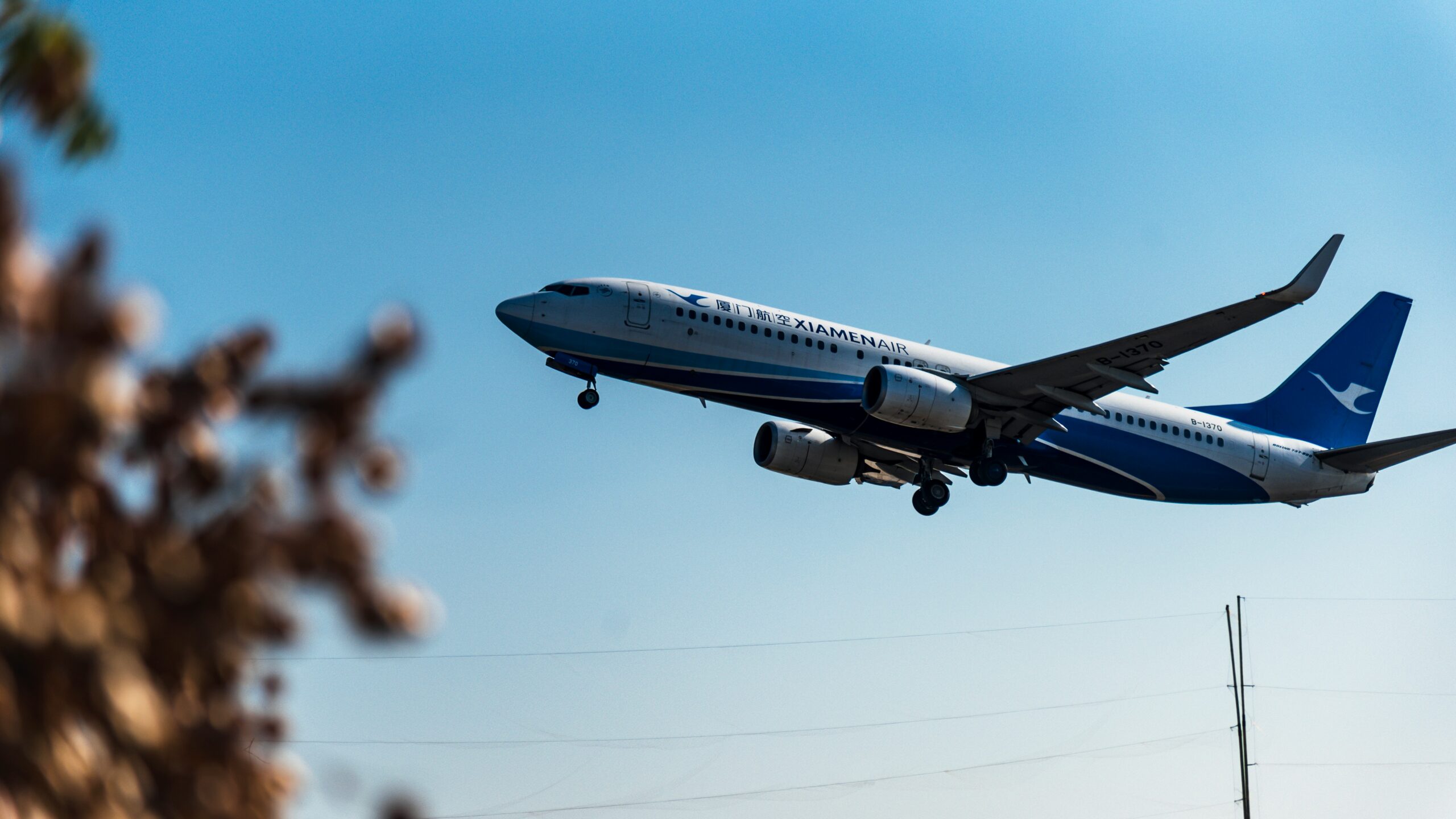
    A Chinese airline Boeing 737-800 in flight — the same aircraft type as China Eastern Flight MU5735 which crashed in Guangxi province in March 2022

    A Boeing Seven Thirty Seven Eight Hundred operated by a Chinese carrier — the same aircraft type as China Eastern Flight MU5735. The aircraft had no recorded history of significant airworthiness issues prior to the March 2022 crash. Photo: Hanyun Guo / Unsplash

    MU5735 Investigation Timeline

    DateEvent
    March 21, 2022MU5735 crashes in Guangxi province. All 132 aboard killed.
    March 2022Flight data recorder and cockpit voice recorder recovered from wreckage and sent to the NTSB laboratory.
    May 2022Wall Street Journal reports U.S. officials say flight data shows deliberate inputs. China denies.
    March 2023CAAC issues one-year investigation progress notice. No definitive conclusions reached.
    March 2024CAAC issues two-year notice. Near-identical language to the first. No new findings.
    March 2025Third anniversary passes with no CAAC update.
    May 2025Chinese citizen requests CAAC investigation progress under government disclosure law. CAAC refuses, citing national security.
    January 2026Anonymous Chinese citizen files FOIA request with the U.S. NTSB.
    April 29, 2026NTSB responds. FDR combined download report enters public record for the first time.
    May 1, 2026NTSB posts materials to its public FOIA reading room.
    May 2026NTSB schedules investigative hearing on MU5735. CAAC has issued no response to FDR data.
    March 2026Fourth anniversary passes with no CAAC update. Investigation now one year past ICAO three-year deadline.

    What the NTSB FOIA Release Revealed About MU5735

    The NTSB‘s FOIA response contained the FDR combined download report, NTSB-CAAC email correspondence, and a July 2022 data download report. It is the first time any official technical material on MU5735 has been placed in public view.

    The FDR data is specific.

    Approximately 23 seconds before the flight data recorder stopped recording, the fuel control switches for both engines were moved to the CUTOFF position — within roughly one second of each other. On a Boeing Seven Thirty Seven, the fuel control switches are physical levers located on the center pedestal. Moving them to CUTOFF requires a deliberate physical action: the switch must be pulled upward against a mechanical detent before it can be moved to the cutoff position. This design exists specifically to prevent accidental activation.

    The result of moving both switches to CUTOFF is immediate and total: fuel supply to both CFM Fifty Six engines is severed simultaneously, both engines begin spooling down, and the aircraft loses its primary source of electrical generation.

    Immediately after the fuel switches moved, the autopilot disengaged. Seconds later, one of the yokes was pushed forcefully forward. The control wheel was also turned, producing at least one full 360-degree roll input during the descent. Aileron oscillations during the dive suggest at least one person was actively working against the descent.

    The fuel switches were never returned to the run position. No engine restart was attempted at any point during the descent. The FDR stopped recording when electrical power was lost — meaning the final moments of the flight remain undocumented in the data record.

    The cockpit voice recorder, which continued briefly on backup power, was recovered and analyzed. Its contents have not been made public. The NTSB has confirmed it does not retain copies of the CVR audio. That recording remains in the custody of Chinese authorities.

    CNN aviation safety analyst David Soucie stated the fuel switches were manually placed in the off position just prior to the crash. Aviation consultant Tony Stanton noted the sequence is very difficult to reconcile with a conventional dual-engine mechanical failure, while cautioning that the FOIA document is not a final accident report and should not be treated as one.

    That distinction matters. The data shows what the aircraft’s systems recorded. It does not, on its own, establish who moved the switches or why.

    How Boeing 737 Fuel Cutoff Switches Actually Work

    Understanding the mechanics matters for understanding why this data point carries the weight it does.

    On the Boeing Seven Thirty Seven Next Gen platform, each engine has a dedicated fuel control switch on the center pedestal. In normal operation, both switches sit in the RUN position throughout the flight. They control the high-pressure fuel shutoff valve inside each engine — when set to RUN, fuel flows; when set to CUTOFF, the valve closes and fuel stops.

    The mechanical detent — the physical resistance the switch must overcome before moving to CUTOFF — is not a minor obstacle. It exists because an inadvertent cutoff of both engines in cruise is not a recoverable situation at most altitudes without exceptional crew response time and altitude available for windmilling restart attempts.

    A dual-engine flameout from fuel starvation does not look like a compressor stall, a bird strike, or a structural failure in the data. The engine parameters — N1, N2, EGT, fuel flow — follow a specific, recognizable decay curve. The FDR signature of fuel cutoff is distinct and not easily confused with other failure modes by trained analysts.

    The 23-second window between fuel cutoff and FDR power loss is consistent with the engine spool-down timeline on CFM Fifty Six engines following fuel shutoff. The sequence recorded — cutoff, autopilot off, yoke forward — follows in a compressed timeframe that leaves very little room for alternative mechanical explanations.

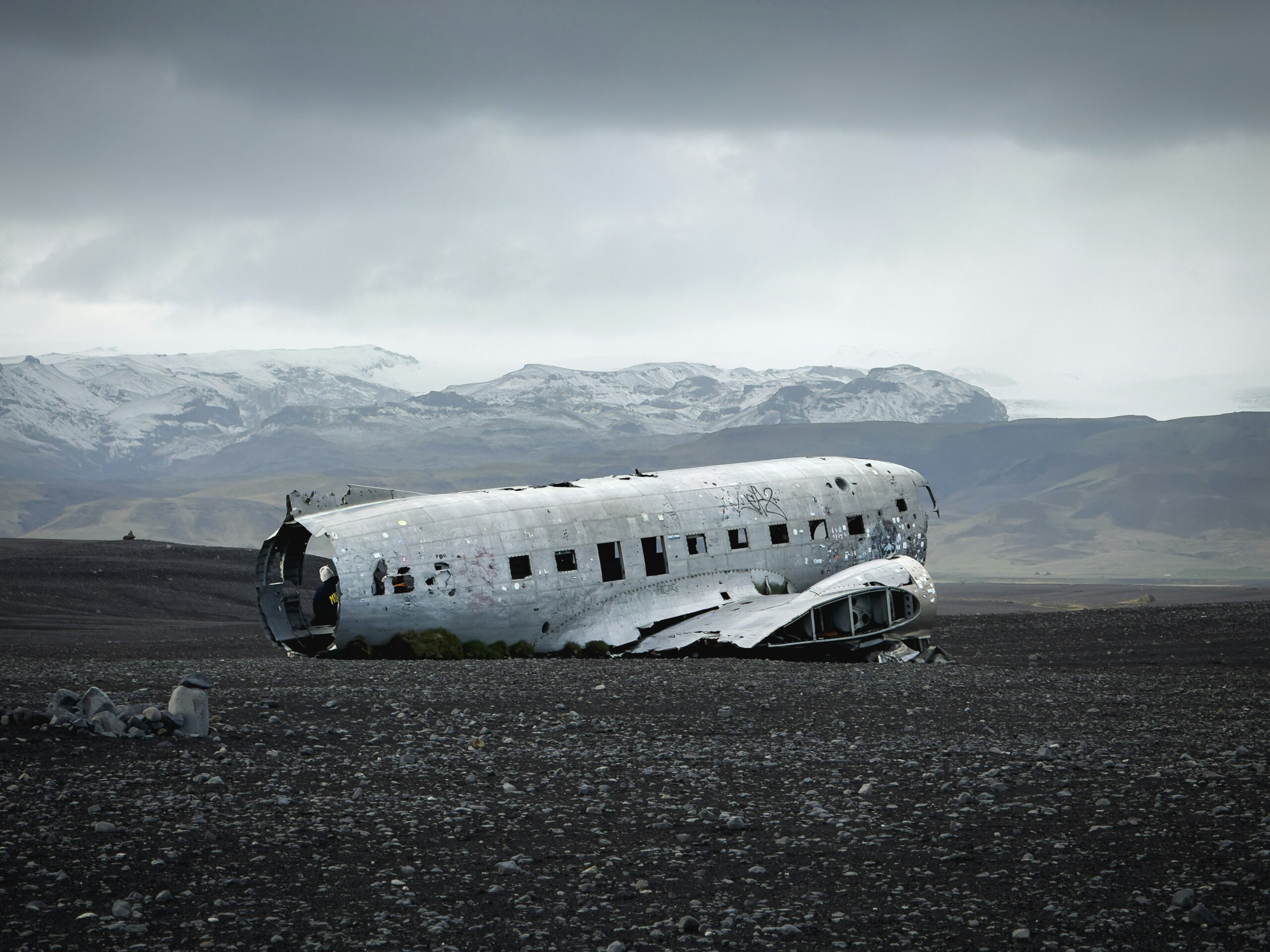
    Abandoned aircraft wreck on desolate terrain representing the unanswered questions surrounding the MU5735 investigation and four years of CAAC silence

    Four years after impact, the MU5735 investigation remains without a final report or probable cause determination — a structural failure of the international accident investigation framework. Photo: Artem Shuba / Unsplash

    The CAAC, ICAO Annex 13, and the MU5735 Regulatory Standoff

    Under ICAO Annex 13 — the international convention governing aircraft accident investigations — the state of occurrence is responsible for conducting the investigation and releasing findings. China, as the state of occurrence, leads the MU5735 investigation. The NTSB participated as an observer, not as lead investigator, by virtue of the United States being the state of manufacture for the Boeing aircraft.

    ICAO Annex 13 sets clear timelines. A preliminary report is required within 30 days. A final report should be released within 12 months, or three years at the absolute outside, with progress updates required if that deadline cannot be met.

    MU5735 is now one year past the three-year deadline. The four-year anniversary in March 2026 passed with no update from the CAAC — the third consecutive anniversary to produce no new official findings.

    In May 2025, a Chinese citizen filed a formal government information disclosure request with the CAAC, asking for investigation progress information. The CAAC refused, citing a specific rationale: public disclosure may endanger national security and social stability.

    There is no corresponding provision in ICAO Annex 13 for a national security exemption from accident investigation transparency. The framework assumes that aviation safety information flows regardless of political sensitivity — a principle that has underpinned the global aviation safety record for decades.

    The CAAC’s position stands outside that framework. And because China holds primary investigative authority under Annex 13, no international body can compel disclosure.

    What the CAAC’s Silence Means for Global Aviation Safety

    The legal and financial stakes embedded in this investigation help explain the silence, even if they do not justify it.

    If an official report concludes that the accident resulted from an intentional act by a crew member, the consequences cascade immediately. Family compensation terms, insurance payouts, and China Eastern’s liability exposure all shift depending on whether the official cause is classified as an accident, a crew incapacitation event, or a deliberate act. Chinese state-linked media and CAAC statements have consistently pushed back against deliberate-act framing since 2022 — a position the FOIA data has made progressively harder to sustain publicly.

    The families of all 132 victims have received compensation. They have received no official explanation.

    Why the MU5735 Cockpit Voice Recorder Still Matters

    The cockpit voice recorder from MU5735 is confirmed recovered, confirmed in good working condition, and confirmed to contain audio of excellent quality covering the critical period. The NTSB has confirmed it analyzed the CVR data as part of its advisory role but does not retain copies.

    The CVR audio remains with the CAAC. It has not been released publicly, shared with victim families, or referenced in any official CAAC update.

    In virtually every major Western accident investigation, CVR content is eventually incorporated into the public final report — often in transcript form, with privacy protections applied to non-relevant crew communications. For MU5735, no such process has occurred. The most direct evidence of what happened in that cockpit in the final minutes of the flight sits in Chinese custody with no disclosed timeline for release.

    Aerial view of mountainous terrain in China representing the Guangxi province region where China Eastern Flight MU5735 crashed in March 2022

    The rugged mountainous terrain of southern China, similar to the Guangxi province region where MU5735 impacted at high speed in March 2022. Photo: Robynne O / Unsplash

    Why the MU5735 Investigation Matters Beyond China Eastern

    The MU5735 case is not just about one flight. It is a stress test of the entire international accident investigation framework.

    ICAO Annex 13 was built on a foundational assumption: that member states, whatever their political differences, share a common interest in understanding what causes aircraft to crash and preventing it from happening again. The framework has produced decades of safety improvements because information flowed even when it was uncomfortable — Swissair 111, TWA 800, Air France 447, Lion Air 610, Ethiopian Airlines 302. Every one of those investigations produced public findings that changed something in aviation.

    MU5735 has produced four years of silence, a FOIA release by a private citizen that the lead investigating authority has not acknowledged, and a CVR recording that has never been shared with the international safety community.

    The NTSB scheduled an investigative hearing on MU5735 for May 2026. That hearing represents ongoing U.S. institutional interest in resolving the technical questions. Whether it produces any further public data depends on Chinese regulatory cooperation — cooperation that has been, to date, effectively absent.

    What makes the current moment significant is that the silence is no longer total. The FDR data is now publicly available, independently verified, and widely reported. The sequence it describes has been acknowledged by multiple credentialed aviation analysts as inconsistent with known mechanical failure modes. The CVR audio that could provide context for that sequence remains locked away.

    The investigation is not closed. The data is not contested. The explanation is not forthcoming.

    What Happens Next in the MU5735 Investigation

    The CAAC faces growing international pressure to provide a final report. ICAO has mechanisms to address non-compliance with Annex 13 — though these are diplomatic rather than enforcement tools, and their effectiveness against a major member state has never truly been tested.

    For the families of the 132 victims, the FOIA release has provided something official investigation has not: a factual basis for understanding what the aircraft’s systems recorded in the final seconds. Whether that becomes part of an official, conclusive public record remains an open question.

    Aviation safety is built on transparency. Every accident investigation that goes dark reduces the industry’s ability to prevent the next one. Whether MU5735 will ultimately produce a complete, honest public record — or become a permanent gap in the global safety archive — may depend less on the evidence, which is substantial, and more on decisions made in Beijing.

    The data is public. The silence continues.


    Frequently Asked Questions

    What did the MU5735 NTSB FOIA release reveal?

    The NTSB‘s April 2026 FOIA response released flight data recorder information showing that both engine fuel control switches on China Eastern Flight MU5735 were moved to the CUTOFF position approximately 23 seconds before the FDR stopped recording. The autopilot disengaged immediately after, followed by aggressive forward yoke input. The document is not a final accident report.

    What are fuel cutoff switches on a Boeing 737?

    On the Boeing Seven Thirty Seven Next Gen, fuel control switches are physical levers on the center pedestal that control fuel flow to each engine. Moving them to CUTOFF requires overcoming a mechanical detent — a deliberate design feature to prevent accidental activation. Setting both switches to CUTOFF simultaneously cuts fuel to both engines and removes primary electrical generation.

    Why has the CAAC not released a final report on MU5735?

    China’s Civil Aviation Administration holds primary investigative authority as the state of occurrence under ICAO Annex 13. The CAAC has cited national security and social stability as grounds for withholding investigation progress information — a rationale with no corresponding provision in international aviation investigation standards. The investigation is now one year past ICAO’s three-year final report deadline.

    What is ICAO Annex 13?

    ICAO Annex 13 is the international convention governing aircraft accident investigations. It requires the state of occurrence to release a preliminary report within 30 days and a final report within three years, with progress updates if that timeline cannot be met. It is the framework that has underpinned global aviation safety transparency for decades.

    Was the MU5735 cockpit voice recorder recovered?

    Yes. The cockpit voice recorder was recovered from the crash site, confirmed to be in good working condition, and confirmed to contain audio of excellent quality covering the critical period. The NTSB analyzed the data in an advisory capacity but does not retain copies. The CVR audio remains under the control of Chinese authorities and has not been made public.

    Annette Voss
    Annette Voss
    Aviation Analyst · Air Ops Ctrl

    Aviation industry analyst and the voice behind Air Ops Ctrl. Annette covers the operational realities, business decisions, and safety systems that shape modern commercial aviation — the stories behind the headlines, not just the headlines themselves.

  • FAA Air Traffic Controller Shortage: The Staffing Target Cut

    FAA Air Traffic Controller Shortage: The Staffing Target Cut

    Ops & Safety

    FAA Air Traffic Controller Shortage:
    The Staffing Target Cut

    For years, the FAA said the United States needed 14,633 certified air traffic controllers to safely operate the National Airspace System. Then, quietly, that number changed. The new target is 12,563. More than two thousand controllers disappeared from the spreadsheet overnight — not because they were hired, but because the definition of fully staffed was rewritten.

    This is not a story about bureaucratic housekeeping. It is a story about what happens when the agency responsible for the safety of American aviation decides that the most practical solution to a staffing crisis is to lower the bar.

    On May 15, 2026, the FAA released its 2026–2028 Air Traffic Controller Workforce Plan. Buried inside the document was the new certified controller staffing target — 12,563, down from 14,633 in the previous plan. A reduction of 2,070 required positions, achieved not through operational improvement but through a revised scheduling availability factor the FAA adjusted downward from 2.14 to 1.87. Change the number in the model. Change the answer the model produces. The shortage shrinks on paper. The aircraft did not disappear. The traffic did not slow down. Only the target moved.

    Decoding the Certified Professional Controller (CPC) Shortage

    Why did the FAA lower its air traffic controller staffing targets? The FAA reduced its certified controller staffing target from 14,633 to 12,563 in its 2026–2028 Workforce Plan, arguing that improved scheduling efficiency and new technologies reduce the staffing requirement. Critics say the FAA simply moved the goalposts — normalising a chronic deficit rather than resolving it.

    • Old staffing target: 14,633 certified controllers
    • New staffing target: 12,563 — a reduction of 2,070 positions
    • Currently deployed: approximately 11,000 active certified controllers
    • Gap under new target: approximately 1,563 controllers still short
    • Annual overtime: 2.2 million hours costing over $200 million
    • Average overtime per controller up 308% since 2013

    A Certified Professional Controller (CPC) — is a fully qualified air traffic controller cleared to work assigned positions without supervision. They are the operational core of the National Airspace System. As of April 2026, approximately 11,000 CPCs are deployed across more than 300 FAA facilities nationwide.

    The training pipeline contains approximately 4,000 controllers — but around 1,000 of those are already certified CPC-ITs who transferred to more complex facilities and are now retraining from scratch. They count in the pipeline numbers without adding new capacity to the system. The FAA did not close the gap. It narrowed the definition of the gap.

    Air traffic control radar screen showing dense flight traffic — FAA controller staffing shortage

    Photo: Tom Donders / Unsplash

    Inside the $200M ATC Overtime Crisis: 2.2 Million Hours Logged

    The clearest signal that the National Airspace System is not adequately staffed is not found in the FAA’s workforce plan. It is found in the overtime data. In fiscal year 2024, controllers across the United States logged 2.2 million hours of overtime. The cost to taxpayers exceeded $200 million. The average overtime per individual controller has increased 308% since 2013. At critical hub facilities, that overtime does not manifest as occasional extra shifts. It manifests as mandatory six-day work weeks — sustained, not exceptional.

    Air traffic management at a quiet facility during overnight hours is a fundamentally different operational environment from a major hub at peak schedule. At a low-traffic facility during deep night operations, a single controller can legally and safely monitor Delivery, Ground, and Tower simultaneously. That consolidation is standard procedure when traffic volume supports it. Scale that logic to a major hub during peak bank operations — where dozens of aircraft are moving simultaneously across multiple complex positions — and the equation changes completely.

    ATC is one of the most cognitively intense careers in aviation. The pressure is not theoretical. It is constant, real, and unforgiving. Every blip on that scope is a pressurized tube full of passengers trusting that the person managing their separation is operating at full cognitive capacity.

    Increasing Time on Position: Maximising Efficiency or Inducing Fatigue?

    The FAA’s workforce plan relies heavily on increasing what it calls Time on Position — the number of hours a controller actively works their radar position during a shift. The current average is approximately 4 hours of active control per shift. The FAA’s target is to push this toward 5 hours or beyond through optimised scheduling. On paper, this looks like efficiency. In practice, it means more time under sustained cognitive pressure with less relief time built into the shift structure.

    An expert panel of sleep scientists — including researchers cited in the National Academies of Sciences Transportation Research Board report — heavily criticised the FAA’s scheduling mechanisms. The FAA’s own internal audit revealed over 4,000 structural fatigue-rule violations in published schedules in a single fiscal year. In response, the FAA mandated new rest rules beginning January 2025, including 10-hour minimums between normal shifts and 12-hour minimums before and after mid-shifts — explicitly targeting elimination of the rattler schedule, a rapid backward-rotating shift pattern documented to severely disrupt sleep and cognitive performance.

    Implementing stricter rest limits with fewer total certified personnel does not reduce workload on the system. It concentrates it. The same number of aircraft still need separation. With fewer available controllers per shift, the workload falls on whoever is present — driving overtime further upward in a self-reinforcing cycle. When fatigue affects controller performance, the risk is not an abstract statistical concept. Passengers are at risk.

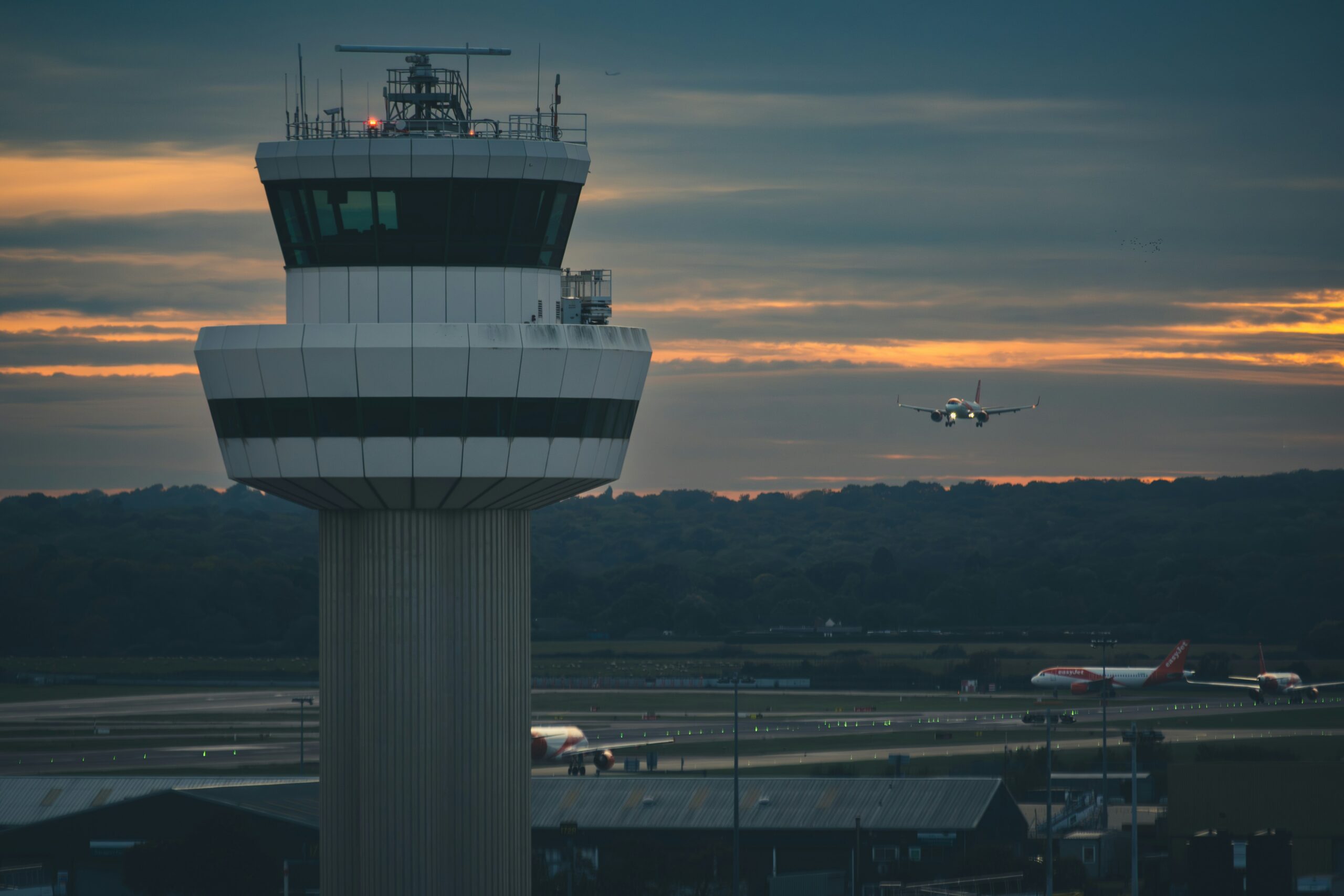
    Airport control tower at dusk — FAA air traffic control staffing and safety

    Photo: Johannes Heel / Unsplash

    Can Technology Replace Air Traffic Controllers?

    The FAA’s workforce plan is explicit that technology will partially substitute for raw headcount. The agency points to ERAM — En Route Automation Modernization — and STARS — Standard Terminal Automation Replacement System — as foundational platforms, with a future Common Automation Platform promising to unify both into a single integrated system.

    The delivery record tells a more complicated story. The FAA acquired a robust, fatigue-compliant shift scheduling software package in 2012. Due to bureaucratic friction and implementation failures, the rollout was abandoned in 2017. As of the 2026 workforce plan, facilities still rely on basic scheduling tools that lack automated guardrails preventing fatigue-inducing shift patterns from being published. The tool was purchased. It was never deployed.

    The NextGen modernisation programme had delivered only 16% of its projected benefits by the end of 2024, according to a Department of Transportation Office of Inspector General finding. A programme designed to transform how American airspace operates, delivering less than one fifth of what was promised after years of investment.

    Technology in aviation is powerful when it works as designed. But automation is fundamentally a fixed equation — it executes within parameters it was built for. It does not adapt to conditions outside the model. The experienced controller brings something no current algorithm replicates: judgment, pattern recognition, and the ability to make sound decisions when the situation falls outside the playbook. When automated systems fail or lag, the controller’s cognitive load spikes immediately — manual separation must be applied instantly without the data scaffolding the system normally provides. Technology should assist the controller. It should never be the operational justification for needing fewer of them.

    The Legacy of PATCO: Why Air Traffic Control Deficits Take Decades to Fix

    On August 3, 1981, members of the Professional Air Traffic Controllers Organization went on strike. President Reagan declared it illegal, issued an ultimatum, and on August 5 fired 11,345 striking controllers who refused to return. The FAA was left with approximately 4,669 operational controllers to run the entire National Airspace System. Commercial traffic was severely restricted. Military controllers were brought in. Full restoration of the certified controller workforce to pre-strike operational levels took until approximately 1992. Eleven years.

    That timeline matters enormously for understanding the risk embedded in the current approach. Air traffic controller workforce deficits do not recover on airline schedule time. They recover on decade time — because the training pipeline at complex facilities now averages 4.3 years from hire to full certification, and the certification failure rate at the most complex en route centers is 54%. For every two people the FAA puts into training at a high-complexity facility, only one reaches full certification.

    The FAA’s own workforce plan projects 5,307 total controller losses between fiscal years 2026 and 2028 — driven by academy attrition, developmental losses, and retirement. Against hiring targets of 2,200, 2,300, and 2,400 respectively over those same three years, the net gain in certified operational capacity is marginal. Canada is already experiencing the downstream version of this story. NAV CANADA reported a shortage of approximately 200 controllers as of 2026, with tower closures tied directly to staffing constraints appearing in pilot advisories.

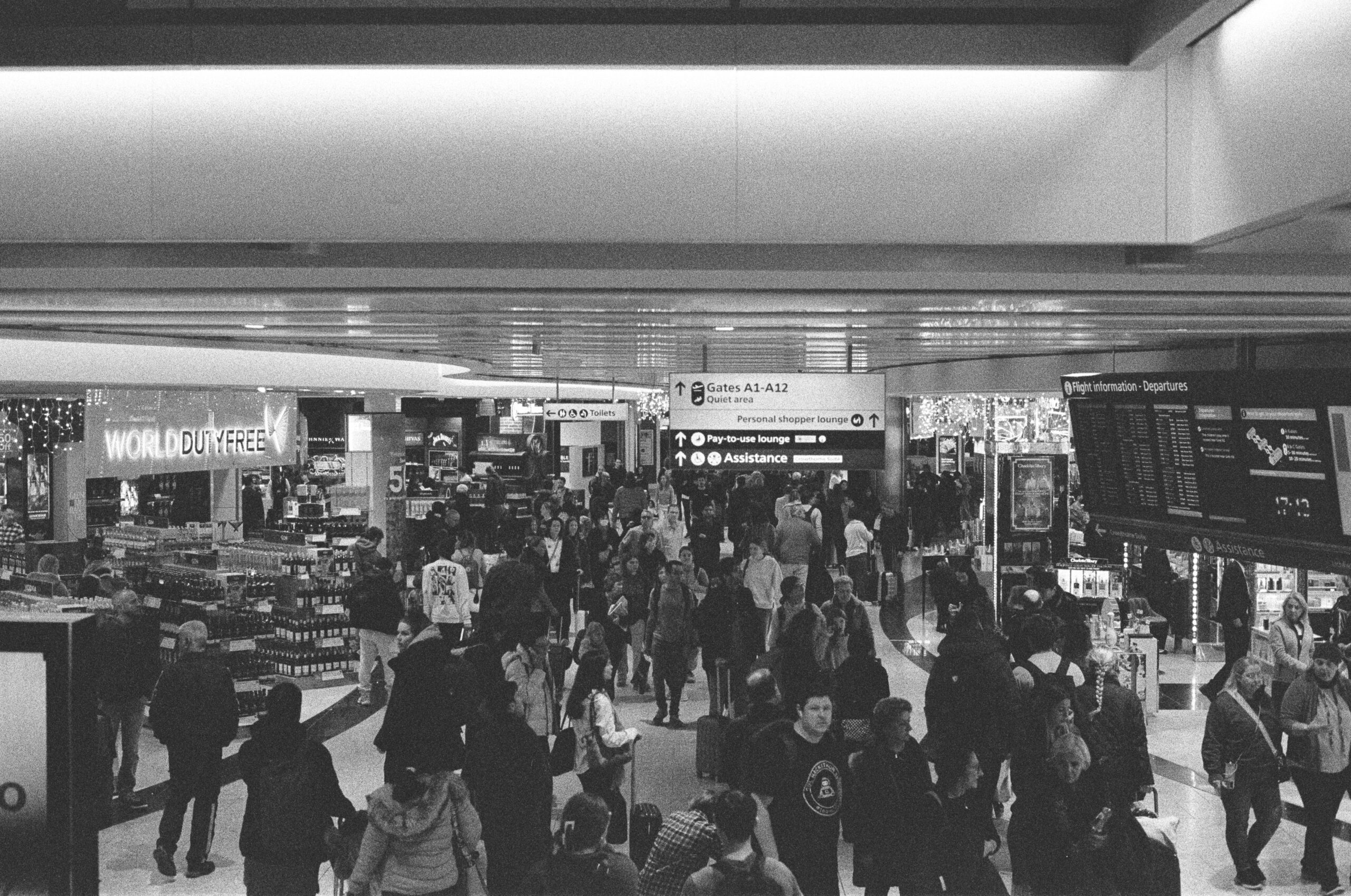
    Crowded airport terminal — ATC staffing shortages directly impact passenger delays

    Photo: Suzi Kim / Unsplash

    Systemic Risk: The Impact of Staffing Deficits on Aviation Safety

    The FAA’s redefinition of its staffing target does not change the operational reality of the National Airspace System. Aircraft still need to be separated. Traffic still needs to flow. Controllers still need to be present, certified, and cognitively fit to do the work.

    If the system reaches a genuine breaking point — if controllers are not available at levels required to maintain safe flow — flights do not move. Passengers do not travel. The downstream consequences fall not on the regulators who manage the model, and not on the airlines who manage the schedules, but on the consumers who bought a ticket and assumed the infrastructure behind it was sound.

    The FAA’s 2026–2028 workforce plan may represent a legitimate operational response to a constrained reality. Modern scheduling optimisation, better rest rules, and genuine technology gains could collectively reduce the raw headcount requirement without compromising safety margins. That argument deserves serious engagement. But the agency has a documented history of acquiring tools it does not deploy, projecting technology benefits that do not materialise, and setting staffing targets it then quietly revises when it cannot meet them. The burden of proof sits firmly with the FAA — and the evidence base is, at this moment, incomplete. The spreadsheet changed. The airspace did not.


    Frequently Asked Questions

    Why is there an air traffic controller shortage?

    The shortage is driven by mandatory retirement at age 56, a training pipeline that takes up to 4.3 years to certify a controller at a complex facility, a certification failure rate of 54% at high-complexity centres, and decades of hiring that has not kept pace with attrition. The 1981 PATCO strike created a replacement generation that is now retiring in large numbers simultaneously.

    How many air traffic controllers does the FAA currently have?

    As of April 2026, the FAA has approximately 11,000 Certified Professional Controllers deployed across more than 300 facilities. The agency’s new staffing target is 12,563 — meaning the system is currently around 1,563 controllers short even under the revised lower target.

    Why did the FAA lower its certified controller staffing targets?

    The FAA states that its old target of 14,633 was based on outdated scheduling models that did not account for optimised availability factors, improved scheduling tools, and the contribution of controllers-in-training. By adjusting its scheduling availability factor from 2.14 to 1.87, the required headcount dropped mathematically. Critics argue this is a statistical adjustment that normalises a chronic deficit rather than resolving it.

    Further Reading

    For more on how aviation safety certification works at the component level, see our deep-dive on unapproved aircraft parts and the AOG Technics scandal. For the business side of airline resilience when ATC flow programmes hit, read: Why Airlines Go Bankrupt With Full Flights.

    Recommended reading: The Human Factor by Sidney Dekker — the definitive framework for understanding how complex systems fail through the gradual normalisation of operational drift.

    Annette Voss
    Annette Voss
    Aviation Analyst · Air Ops Ctrl

    Aviation industry analyst and the voice behind Air Ops Ctrl. Annette covers the operational realities, business decisions, and safety systems that shape modern commercial aviation — the stories behind the headlines, not just the headlines themselves.

  • Unapproved Aircraft Parts: Inside the AOG Technics Scandal

    Unapproved Aircraft Parts: Inside the AOG Technics Scandal

    Ops & Safety

    Unapproved Aircraft Parts:
    Inside the AOG Technics Scandal

    In January 2026, twelve containers of condemned aircraft engine parts were scheduled for destruction at a facility in Spain. They never made it.

    A third party — impersonating the contracted mutilation provider — intercepted the shipment before it could be destroyed. Inside those containers: 625 serialized parts, including engine-critical and life-limited components, plus nearly 10,000 non-serialized parts covering some of the most common engine families flying today.

    As of this writing, those parts have not been found.

    EASA issued an urgent safety alert on March 26, 2026 (reference OC-EASA-2026002221). The UK Civil Aviation Authority followed on April 14, 2026. Transport Canada issued CASA 2026-05 on April 13, 2026. The parts are somewhere inside the global aviation supply chain right now — and the system designed to catch unapproved aircraft parts was never built to handle this.

    This is not a story about one theft in Spain. This is a story about a certification and traceability system that a former techno DJ already proved he could defeat with a home computer and a printer — and why, three years later, the fundamental vulnerability still exists.

    Understanding Life-Limited Parts and Aviation Safety

    To understand why the Spain theft is so serious, you need to understand what was actually stolen.

    Every commercial jet engine contains two categories of components. Standard parts — bolts, seals, washers, bushings — can be overhauled, inspected, and returned to service multiple times. Life-limited parts (LLPs) are categorically different. These are the high-stress rotating components at the core of the engine: turbine disks, compressor disks, fan hubs, and similar structures that spin at extreme speed under extreme heat for thousands of hours.

    Life-limited parts are assigned a fixed cycle life — a maximum number of takeoff and landing cycles — by the manufacturer and certified by regulators. When a part reaches that limit, it is retired. Not inspected and cleared. Not overhauled. Retired and physically destroyed.

    The reason is metal fatigue. Components cycled through extreme stress thousands of times develop microscopic fatigue propagation that no inspection can fully quantify. The certified cycle life exists because beyond that threshold, the risk of failure becomes statistically unacceptable.

    And when a life-limited rotating disk fails at speed, it does not fail quietly.

    A turbine disk spinning at tens of thousands of RPM stores enormous kinetic energy. An uncontained failure — where fragments breach the engine casing — can penetrate the aircraft fuselage, sever hydraulic lines, destroy adjacent engines, and in the worst cases reach the cabin. This is why both the FAA and EASA mandate physical destruction of retired life-limited parts. The only safe LLP at end of life is one that cannot be installed.

    Close-up of a jet engine turbine illustrating life-limited parts and aviation safety

    Jet engine turbines contain life-limited parts that must be physically destroyed at end of certified cycle life. Photo: Luka Slapnicar / Unsplash

    The 625 serialized parts stolen in Spain include components in exactly this category. They were declared non-airworthy. They were designated for destruction. Someone decided they were worth more as counterfeit inventory.

    The AOG Technics Scandal: How Forged Certificates Fooled the Industry

    The Spain incident did not emerge in a vacuum. It follows the most significant aviation parts fraud case in recent history — one that concluded in a London courtroom in February 2026 and exposed exactly how vulnerable the certification system is to counterfeit aircraft components.

    Between January 2019 and July 2023, a UK-based company called AOG Technics sold more than 60,000 fake engine parts to airlines, maintenance facilities, and parts distributors around the world. The parts were primarily intended for the CFM56 engine — the most widely used turbofan in commercial aviation, powering the Boeing 737 Next Gen and Airbus A Three Twenty CEO families.

    The man behind it was Jose Alejandro Zamora Yrala, a 38-year-old former techno DJ.

    Zamora operated from a home office. He forged FAA Form Eight One Thirty Dash Three airworthiness release certificates and EASA Authorized Release Certificates on a standard home computer. He invented fake employees. He sent emails to customers signed by quality managers who did not exist. He created a paper trail sophisticated enough to pass through the receiving inspections of some of the world’s largest airlines.

    Airlines affected included Delta Air Lines, Southwest Airlines, Ryanair, TAP Air Portugal, WestJet, and Virgin Australia. Over 180 engines were identified as containing AOG-supplied parts. Aircraft were grounded across multiple continents. Total industry losses came to an estimated $53 million.

    The fraud ran for four years.

    It was discovered because a TAP Air Portugal mechanic noticed that a bolt supplied by AOG Technics did not fit its hole.

    Not a digital verification system. Not a regulatory audit. A bolt that did not fit.

    The mechanic contacted Safran — co-owner of CFM International — to verify the part’s documentation. Safran confirmed the certificate was fake and alerted authorities. The UK Serious Fraud Office opened a criminal investigation. In December 2025, Zamora pleaded guilty to fraudulent trading. On February 23, 2026, he was sentenced to four years and eight months in prison.

    The judge described the fraud as “a more or less complete undermining of a regulatory framework designed to safeguard the millions of people who fly every day.”

    AOG Technics vs. The 2026 Spain Theft: Side by Side

    AOG Technics (2019–2023)Spain Theft (January 2026)
    Parts involved60,000+ engine components625 serialized + 9,740 non-serialized
    Part typePrimarily non-serialized CFM56 consumablesIncludes life-limited / engine-critical parts
    Engine familiesCFM56CFM56, V2500, PW1100G, RB211
    Aircraft affected737 Next Gen, A Three Twenty CEO737 Next Gen, A Three Twenty CEO, A Three Twenty Neo, 747, 757, 767
    MethodForged release certificatesStolen before destruction, re-entry unknown
    StatusSentenced February 2026Parts not recovered as of publication
    Industry losses$53 million confirmedUnknown — parts not yet located
    Regulatory responseFAA, EASA, UK CAA alertsEASA, UK CAA, Transport Canada alerts

    Aviation Parts Traceability: Where the Certification System Fails

    The AOG Technics scandal and the Spain theft share the same root vulnerability: a certification and traceability system built on paper, trust, and human inspection.

    The FAA Form 8130-3 and EASA Form 1

    When an aircraft part is manufactured, overhauled, or returned to service, it is accompanied by an airworthiness release certificate. In the United States, this is the FAA Form Eight One Thirty Dash Three. In Europe, it is the EASA Form 1 or Authorized Release Certificate. These documents certify that the part conforms to approved design data and is in a condition for safe operation.

    The problem is what these documents do not do.

    They do not contain any real-time verification mechanism. They are not linked to a live database that a receiving inspector can query. There is no QR code that pulls up a manufacturer-confirmed record. There is no digital signature that cannot be replicated on a home computer.

    In practice, when a part arrives at an airline maintenance facility, a receiving inspector checks the paperwork against the part number in the maintenance manual. If the numbers match and the documentation looks correct, the part passes receiving inspection and enters inventory.

    The inspector is checking a document against another document. The check is the paperwork. And as the AOG Technics scandal demonstrated, the paperwork can be forged by anyone who knows what it is supposed to look like.

    Aviation parts warehouse representing the global aviation supply chain and counterfeit parts risk

    The global aviation parts supply chain processes millions of components annually — with certification still heavily reliant on paper documentation. Photo: CHUTTERSNAP / Unsplash

    The AOG Pressure Problem

    The vulnerability deepens under the operational reality of aircraft maintenance.

    When an aircraft is AOG — Aircraft on Ground, unable to operate due to a maintenance issue — the pressure is immediate and significant. Every hour on the ground is revenue lost and passengers disrupted.

    The standard parts sourcing chain runs roughly like this: check internal inventory, contact Maintenance Operations Control, confirm what is available in-house, check partner airlines or operators at the same station for a loan or borrow, and if nothing is available locally, go to the manufacturer or approved distributor.

    Under AOG pressure, that chain compresses. Speed becomes the priority. And that is precisely the environment that a supplier of unapproved aircraft parts is designed to exploit.

    High-Risk Entry Points in the Supply Chain

    The highest-risk entry points are well understood within the industry:

    • Teardown and scrap disposal — where retired parts can be diverted before destruction, exactly as happened in Spain
    • Life-limited part retirement — where a part at end of certified cycle life can be re-documented with a false count
    • Broker-to-broker resale — where provenance becomes harder to trace with each transaction
    • Emergency AOG sourcing — where speed overrides due diligence
    • Non-serialized consumables — where individual part tracking is weakest
    • Cross-certification conversion — where documentation moves between EASA Form 1 and FAA Eight One Thirty Dash Three systems

    The EASA suspect parts database currently contains over 7,700 entries. The FAA estimates approximately 520,000 unapproved or counterfeit aircraft components enter aviation annually — roughly two percent of the 26 million parts installed on commercial aircraft every year.

    The Danger of Counterfeit Components: A History of Aviation Incidents

    Partnair Flight 394, September 1989. A Convair CV-580 crashed into the North Sea, killing all 55 people on board. The investigation found that counterfeit and incorrectly treated tail assembly fasteners contributed to destructive vibration and structural failure. This remains the clearest documented case of unapproved aircraft parts directly causing a fatal accident.

    Aviatronics LLC / FAA SAFO 20010, 2016–2020. The FAA issued a Safety Alert for Operators warning of intentional falsification of FAA Form Eight One Thirty Dash Three records for avionics and control articles.

    Boeing and Airbus Titanium Documentation Fraud, 2024. The FAA investigated titanium sold with falsified quality documentation that entered Boeing and Airbus supply chains through Spirit AeroSystems.

    Italy Military Parts Investigation, February 2026. Italian prosecutors opened an investigation into the disappearance of military aircraft parts valued at €17 million — the same documentation fraud playbook applied to military assets.

    Current FAA and EASA Regulations on Unapproved Aircraft Parts

    The Aviation Supply Chain Integrity Coalition

    In the wake of the AOG Technics scandal, GE Aerospace led the formation of the Aviation Supply Chain Integrity Coalition. Founding members included Airbus, Boeing, Delta Air Lines, GE Aerospace, Safran, StandardAero, and United Airlines.

    A 2025 progress update indicated that approximately 70 percent of respondents had taken steps toward digital Authorized Release Certificates or digital verification tools. Progress — but not a solution.

    The March 2026 Congressional Action

    In March 2026, the US House of Representatives passed the Aviation Supply Chain Safety and Security Digitization Act of 2025. The legislation directs the Government Accountability Office to study impediments to digital documentation and verification in aviation parts certification.

    A study. Not a mandate. Not a funded implementation.

    The technology to solve this problem already exists. Digital certificates with cryptographic verification, blockchain-based parts traceability, and real-time manufacturer confirmation systems are operational in other high-stakes industries. What aviation does not yet have is a regulatory mandate that makes paper-based release certificates non-compliant.

    The 2026 Spain Engine Parts Theft: A New Crisis for Part 145 Shops

    EASA’s March 2026 alert directs operators and Part 145 approved maintenance organizations to inspect aircraft and inventory, check part and serial numbers against the affected list, quarantine any matches, and notify competent authorities.

    The affected engine families — CFM56, IAE V2500, Pratt and Whitney PW1100G, and Rolls-Royce RB211 — collectively power a substantial portion of the global commercial fleet.

    The UK CAA issued its safety notice on April 14, 2026. Transport Canada issued CASA 2026-05 on April 13, 2026. No equivalent public FAA alert specifically identifying this Spain incident has been identified at the time of publication.

    The parts have not been recovered.

    Aircraft maintenance hangar representing Part 145 MRO operations and airworthiness inspection

    Part 145 approved maintenance organisations are now required to audit their inventories against the EASA alert following the Spain theft. Photo: You Le / Unsplash

    Restoring Trust in the Global Aviation Supply Chain

    The aviation industry has an extraordinary safety record, built over decades by professionals who take their responsibilities seriously.

    But a certification system that still runs primarily on paper documents and visual inspection — in a global aftermarket approaching $50 billion — has a structural gap that one person with a home computer already exploited for four years without detection.

    The FAA estimates 520,000 unapproved or counterfeit aircraft components enter aviation annually. The AOG Technics case involved 60,000 parts over four years and cost the industry $53 million to partially remediate. The Spain theft involved 625 life-limited components whose current location remains unknown.

    The question is not whether the system can be exploited.

    It already has been. Repeatedly. Across decades.

    The question is whether the industry and its regulators will implement the digital verification infrastructure that makes the next attempt materially harder — or whether the response will remain a study, a coalition recommendation, and a safety notice directing operators to check serial numbers against a list.

    History suggests the answer arrives faster after the next accident than before it.

    Annette Voss
    Annette Voss
    Aviation Analyst · Air Ops Ctrl

    Aviation industry analyst and the voice behind Air Ops Ctrl. Annette covers the operational realities, business decisions, and safety systems that shape modern commercial aviation — the stories behind the headlines, not just the headlines themselves.

    Frequently Asked Questions

    What are unapproved aircraft parts?
    Unapproved aircraft parts are components that lack valid airworthiness documentation, have been fraudulently certified, or have been returned to service after being condemned. They enter the supply chain when certification paperwork is forged or when scrapped parts are illegally re-introduced as serviceable.
    What happened in the AOG Technics scandal?
    AOG Technics, a UK-based parts broker, supplied approximately 60,000 aircraft engine components with falsified airworthiness certificates between 2015 and 2023. The parts were traced to over 126 operators worldwide. The company’s director was convicted of fraud in the UK.
    How do counterfeit aircraft parts get into the supply chain?
    Counterfeit parts typically enter through the global aftermarket, where brokers source components without manufacturer traceability. The aviation certification system relies heavily on paper documentation and visual inspection, which can be defeated by forged airworthiness certificates.
    Are unapproved aircraft parts dangerous?
    Yes. Life-limited parts have defined maximum service cycles because metal fatigue accumulates over time. A condemned part returned to service has already consumed its safe operating life. If it fails in a critical system such as an engine or flight control, the consequences can be catastrophic.
    What is the FAA doing about counterfeit aviation parts?
    The FAA estimates 520,000 unapproved parts enter aviation annually. Current responses include the RAPID digital traceability programme, enhanced Part 145 audit requirements, and coordination with EASA. Critics argue these measures remain advisory rather than mandatory for most operators.